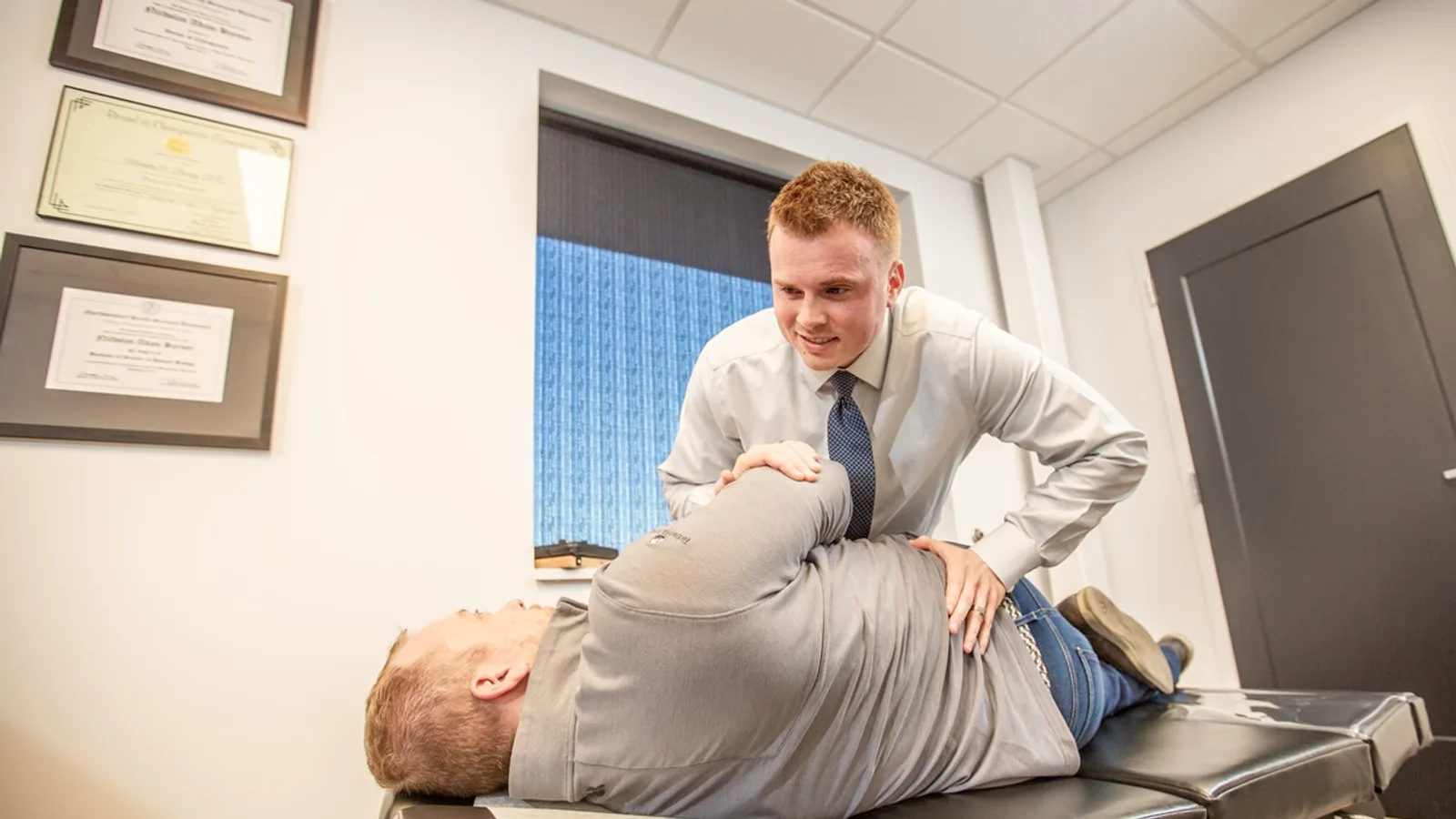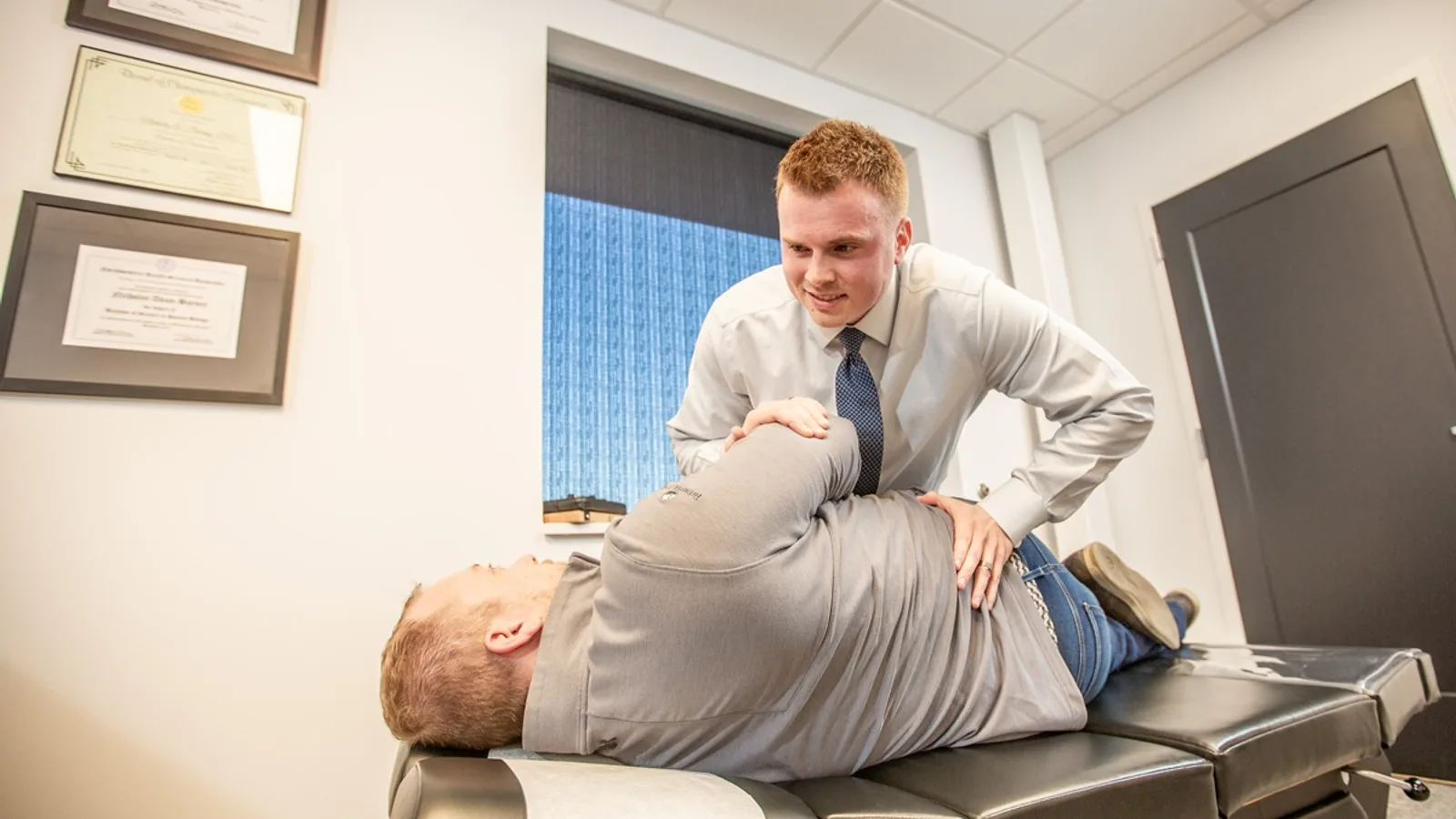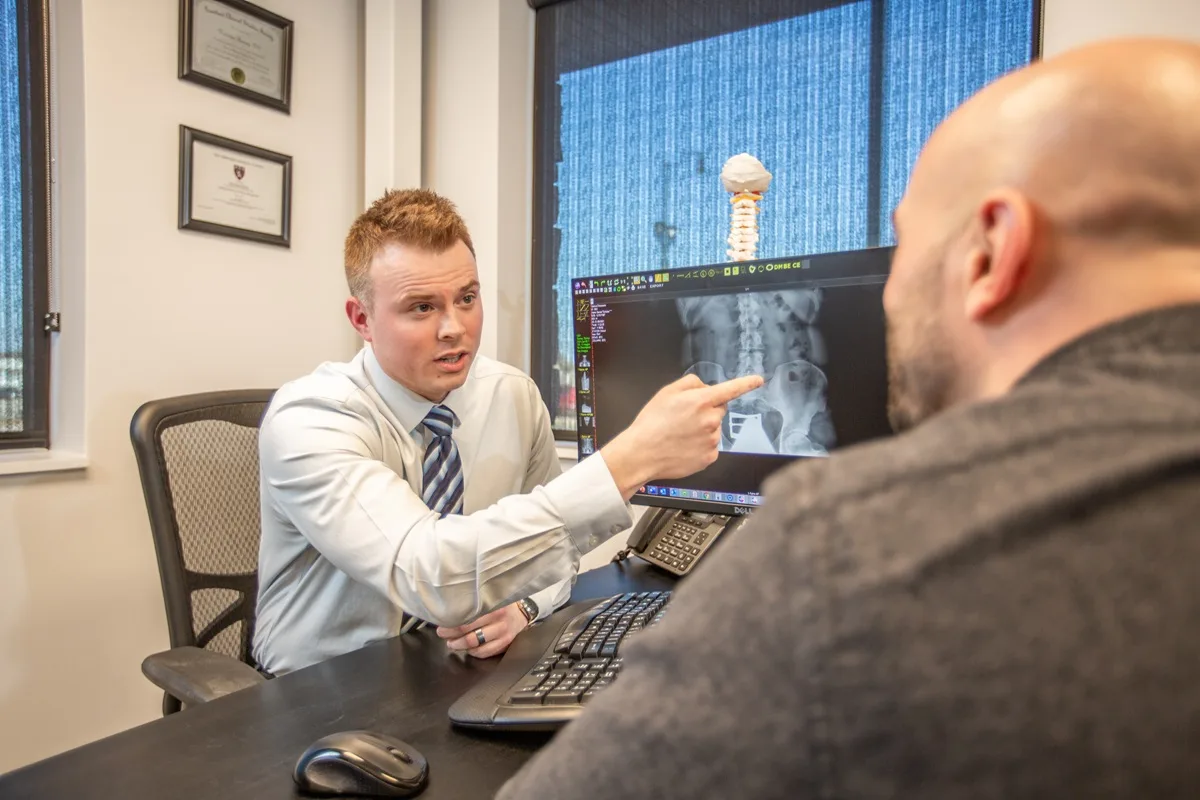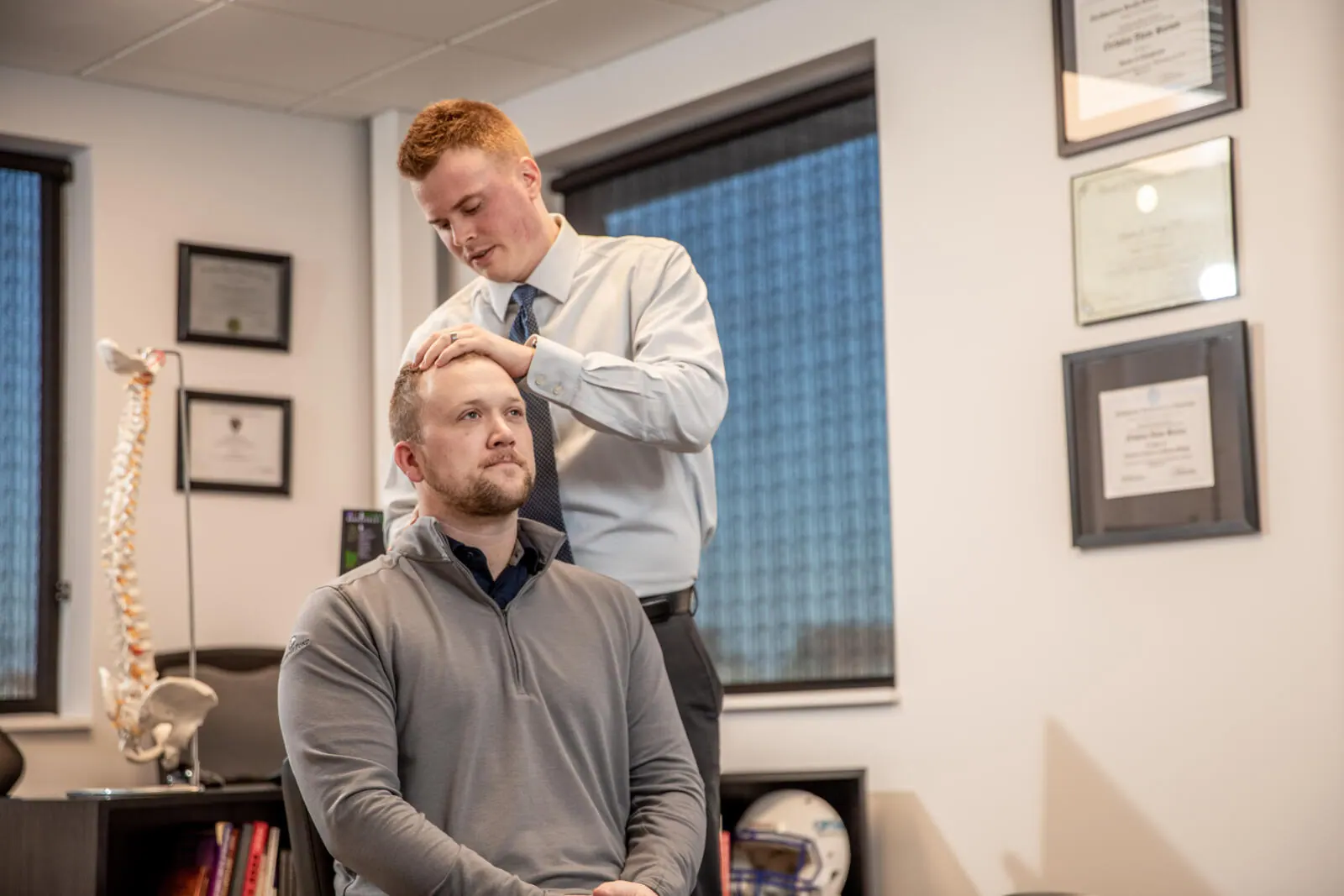

As parents, we do everything we can to give our children the best possible start in life — nutritious meals, regular checkups, plenty of sleep, and lots of encouragement. But one area that often gets overlooked in a child's overall wellness plan is spinal health. Here in West Fargo, ND, more and more families are discovering that chiropractic care isn't just for adults dealing with back pain. It's a gentle, proactive approach to supporting a child's growing body from the very beginning. At Optimal Chiropractic, Dr. Andrew Jahner and Dr. Nicholas Barney work with families every day to help children grow up with strong, healthy spines and thriving nervous systems.
What Is Pediatric Chiropractic Care?
Pediatric chiropractic care refers to the gentle assessment and adjustment of the spine and musculoskeletal system in infants, children, and adolescents. It focuses on identifying and correcting spinal misalignments — often called subluxations — that can interfere with normal growth, posture, and nervous system function. Techniques used for children are specifically adapted to their smaller, more delicate bodies, using light, precise pressure rather than the forceful adjustments sometimes associated with adult care.
Why Spinal Health Matters for Growing Kids
A child's spine is one of the most dynamic and rapidly developing structures in their entire body. From the moment of birth, the spine begins adapting to gravity, movement, and the demands of everyday life. The natural spinal curves — the cervical curve in the neck, the thoracic curve in the mid-back, and the lumbar curve in the lower back — develop progressively as a baby learns to lift their head, sit up, crawl, and walk. Any disruption to these patterns can have a ripple effect on how a child moves, stands, and feels throughout their development.
What makes the spine so important isn't just posture or movement — it's the relationship between the spine and the nervous system. The spinal column houses and protects the spinal cord, which is the main communication highway between the brain and every organ, muscle, and tissue in the body. When spinal alignment is off, even slightly, it can affect how efficiently that communication happens. Chiropractors refer to these areas of interference as subluxations, and research suggests that identifying and correcting them early may support better nervous system function over time.
Here in West Fargo, Dr. Andrew Jahner and Dr. Nicholas Barney emphasize that spinal care in childhood isn't about treating disease — it's about proactively supporting the body's ability to grow and function at its best. Think of it like dental checkups: we don't wait for a toothache to start caring for our teeth, and the same proactive mindset applies to the spine.
Common Causes of Spinal Stress in Children
Many parents are surprised to learn just how many everyday childhood experiences can create stress on a growing spine. It begins earlier than most people think. The birth process itself — especially deliveries involving interventions like forceps, vacuum extraction, or prolonged labor — can place significant force on a newborn's neck and upper spine. Studies in the chiropractic and pediatric literature have noted that birth-related trauma can contribute to tension in the upper cervical region, sometimes affecting feeding, sleep, and comfort in early infancy.
As children grow, new stressors emerge. Learning to walk means dozens of tumbles every day. Toddlers fall constantly, and while they're resilient, cumulative minor impacts can add up. School-age children face a different set of challenges: heavy backpacks worn incorrectly, hours of sitting at desks, and increasing screen time that pulls the head and neck forward into poor posture. The American Chiropractic Association has noted that improper backpack use is a significant contributor to childhood back and neck strain.
Adolescents face additional pressures. Participation in competitive sports places repetitive stress on the developing spine. Long study sessions with devices create what's commonly known as "tech neck." And during the teenage growth spurt, the spine can be particularly vulnerable to developing postural imbalances, including conditions like scoliosis, which Dr. Andrew Jahner and Dr. Nicholas Barney at Optimal Chiropractic are trained to screen for and monitor.
Signs Your Child May Benefit from Chiropractic Care
Children rarely complain about their spines directly, especially younger ones who don't yet have the words or awareness to describe what they're feeling. That's why it's important for parents to know what to look for. Some signs are more obvious, while others can be subtle and easy to miss.
In infants, you might notice difficulty turning the head to one side, trouble latching during breastfeeding, persistent fussiness or colic, or a preference for sleeping with the head tilted in one direction. These can all be indicators of tension or restriction in the upper cervical spine. In toddlers and young children, uneven shoulder height, one hip sitting higher than the other, frequent ear infections, complaints of growing pains, or consistently poor posture while sitting can all be signs worth discussing with a chiropractor.
In older children and teenagers, back or neck pain that persists after activity, headaches, one shoulder blade that wings out more than the other, or pain between the shoulder blades from heavy backpack use are all reasons to have a professional spinal evaluation. Dr. Andrew Jahner and Dr. Nicholas Barney at Optimal Chiropractic in West Fargo take a thorough, gentle approach to evaluating children, making sure both the child and the parent understand what's being assessed and why.
How Chiropractic Care Fits Into Your Child's Wellness
Chiropractic care is a non-invasive, drug-free approach to supporting musculoskeletal and nervous system health. For children, this is especially appealing to parents who want to minimize their child's exposure to medications and maximize their natural capacity for health and healing. Pediatric chiropractic adjustments look very different from adult adjustments. The pressure used is gentle — often no more than the light pressure you'd use to test the ripeness of a tomato. For infants, adjustments are often performed with a single fingertip.
At Optimal Chiropractic in West Fargo, ND, Dr. Andrew Jahner and Dr. Nicholas Barney take a thorough history and perform a careful physical evaluation before making any recommendations. They look at spinal alignment, range of motion, muscle balance, and postural patterns. Care plans are always individualized — what a six-month-old needs looks completely different from what a twelve-year-old athlete needs.
Beyond spinal adjustments, the team at Optimal Chiropractic may also offer guidance on ergonomics (like backpack fit and desk setup), movement habits, and postural awareness exercises appropriate for a child's age and development. The goal is always to support the whole child, not just address a single symptom. Evidence from bodies like the National Center for Complementary and Integrative Health (NCCIH) indicates that chiropractic care is generally considered safe when performed by a trained provider — and pediatric care uses even gentler techniques than those used for adults.
Practical Tips for Supporting Your Child's Spinal Health
There's a lot parents can do at home to support healthy spinal development alongside regular chiropractic visits. Small habits practiced consistently make a meaningful difference over time. Here are some practical strategies that Dr. Andrew Jahner and Dr. Nicholas Barney recommend to families throughout the West Fargo community.
First, pay attention to backpack habits. A backpack should weigh no more than ten percent of your child's body weight and should always be worn with both straps on both shoulders. Slinging it over one shoulder shifts the load unevenly and puts unnecessary stress on the spine and shoulders. Choose a pack with padded straps and a hip or chest strap for heavier loads.
Second, limit prolonged screen time and encourage movement breaks. When children do use devices, make sure they're positioned at eye level to prevent the neck from drooping forward. Encourage your child to take a short break every 20 to 30 minutes to move around and reset their posture.
Third, prioritize good sleep positioning. Children should sleep on a supportive mattress with a pillow appropriate for their size. Stomach sleeping places the neck in a rotated position for hours at a time, which can contribute to stiffness and imbalance. Side sleeping or back sleeping with proper support is generally preferred.
Finally, encourage a variety of physical activities rather than early specialization in a single sport. Diverse movement patterns develop balanced strength and flexibility throughout the body, reducing overuse injuries and supporting healthy spinal development across all planes of motion.
When to See a Chiropractor for Your Child
Many families at Optimal Chiropractic come in for routine wellness checkups for their children — much like a pediatric dental visit. They aren't dealing with a crisis; they simply want to make sure their child's spine is developing normally and that nothing is being missed. This proactive approach is something Dr. Andrew Jahner and Dr. Nicholas Barney strongly encourage, especially during key developmental milestones like when a baby starts sitting up, crawling, or walking, or when a child enters school and begins carrying a backpack.
However, there are specific situations where scheduling a chiropractic evaluation sooner rather than later is especially important. If your child had a difficult birth, experienced a significant fall or sports injury, or is complaining of persistent back, neck, or headache symptoms, those are clear indicators to seek an evaluation. If you notice uneven shoulders, one hip higher than the other, or your child consistently tilting their head to one side, these postural asymmetries deserve professional attention.
It's also important to know when chiropractic care is not the right first step. If your child has experienced a serious trauma, has neurological symptoms like numbness, weakness, or loss of bladder/bowel control, or has unexplained fever accompanying their pain, they should be evaluated by a medical physician first. The chiropractors at Optimal Chiropractic in West Fargo, ND, will always refer out when a condition is beyond the appropriate scope of chiropractic care. The health and safety of your child always comes first.
Pediatric Chiropractic: Common Concerns at a Glance
Age Group | Common Spinal Concerns | Chiropractic Approach |
|---|---|---|
Infants (0–12 months) | Birth-related cervical tension, colic, feeding difficulty, head tilt | Extremely gentle fingertip adjustments; focus on upper cervical region |
Toddlers (1–3 years) | Fall-related spinal stress, uneven gait, general alignment | Light mobilization techniques; postural screening |
School-Age (4–12 years) | Backpack strain, poor sitting posture, early scoliosis signs | Spinal evaluation, gentle adjustments, ergonomic guidance |
Adolescents (13–18 years) | Tech neck, sports injuries, scoliosis monitoring, growth-related pain | Adjustments, postural rehab, activity modification, scoliosis screening |
Myths vs. Facts About Chiropractic Care for Kids
Myth: Chiropractic adjustments are too forceful for children.
Fact: Pediatric chiropractic techniques are adapted specifically for a child's age, size, and developmental stage. The pressure used on infants and young children is extremely light — nothing like the adjustments adults receive. Dr. Andrew Jahner and Dr. Nicholas Barney use gentle, age-appropriate methods designed with a child's safety and comfort as the top priority.
Myth: Kids don't need chiropractic care because they're naturally resilient.
Fact: While children do recover quickly from many things, spinal misalignments and postural imbalances that go unaddressed during development can carry forward into adulthood. Many of the adult spinal problems seen at Optimal Chiropractic in West Fargo have their roots in childhood habits or injuries that were never properly addressed.
Myth: Chiropractic care isn't backed by evidence for children.
Fact: Research into pediatric chiropractic care is ongoing and growing. While the evidence base is still developing in some areas, organizations like the National Center for Complementary and Integrative Health recognize chiropractic care as a generally safe approach. Evidence suggests it can be helpful for musculoskeletal complaints in younger populations when performed by a trained provider.
Myth: Chiropractic care is only for back pain.
Fact: Chiropractic care focuses on the relationship between the spine and the nervous system, which means its scope goes beyond simply addressing pain. At Optimal Chiropractic, the goal of pediatric care is to support overall nervous system function, healthy posture, and balanced musculoskeletal development — not just to treat a symptom.
Myth: Once you start taking your child to a chiropractor, you have to go forever.
Fact: Care frequency and duration are entirely individualized. Some children come in for a specific concern and are discharged after a few visits. Others benefit from periodic wellness checkups, similar to how families approach dental care. There is no one-size-fits-all schedule, and Dr. Andrew Jahner and Dr. Nicholas Barney will always explain their recommendations clearly and honestly.
Final Thoughts from Optimal Chiropractic
Raising healthy children takes a whole-picture approach, and spinal health deserves a place in that picture. Here in West Fargo, ND, the team at Optimal Chiropractic is honored to be a trusted part of so many families' wellness journeys. Dr. Andrew Jahner and Dr. Nicholas Barney bring genuine care, professional expertise, and a deep commitment to the health of the children and families in this community.
Whether you're a new parent wondering if your newborn should be checked, or you have a teenager dealing with back pain from sports or heavy backpacks, we'd love to have a conversation with you. Chiropractic care for children isn't about a quick fix — it's about giving your child the foundation to grow, move, and thrive. A healthy spine today can make a meaningful difference for decades to come. We're here for your family, right here in West Fargo, every step of the way.
Frequently Asked Questions
Is chiropractic care safe for newborns and infants?
Yes, when performed by a trained chiropractor who uses pediatric techniques, chiropractic care is considered safe for infants. The adjustments used are extremely gentle, applying only light pressure specifically suited to a newborn's delicate anatomy. As always, a thorough evaluation is performed before any care is provided.
At what age can a child start seeing a chiropractor?
Children can be evaluated by a chiropractor at any age, including shortly after birth. Many parents bring newborns in for an evaluation, especially following a difficult delivery. The approach is always adapted to the child's age and developmental stage, with techniques becoming progressively more varied as the child grows.
How is a pediatric chiropractic adjustment different from an adult adjustment?
Pediatric adjustments use significantly less force than those performed on adults. For infants, a single fingertip with very light pressure is often all that's needed. For older children, the techniques are still gentler and more targeted than typical adult care. The spine of a growing child is more responsive and requires far less force to achieve results.
Can chiropractic care help with my child's posture?
Posture is one of the most common reasons families at Optimal Chiropractic seek care for their children. Chiropractic evaluation can identify spinal imbalances contributing to poor posture, and care — combined with ergonomic and movement guidance — can support better postural habits and alignment over time. Results vary by individual, and consistency is key.
Will my child be uncomfortable during a chiropractic visit?
Most children tolerate chiropractic visits very well and many even enjoy them. Dr. Andrew Jahner and Dr. Nicholas Barney take time to make children feel comfortable and at ease in the office before any evaluation or care begins. The gentle techniques used for children are not painful, and many kids leave feeling relaxed and at ease.
How do I know if my child needs a spinal evaluation?
If your child has had a difficult birth, experienced a significant fall or sports injury, has uneven shoulders or hips, complains of back or neck pain, or struggles with headaches, a chiropractic evaluation is a reasonable next step. Many families also choose to bring children in for routine wellness screenings even without specific complaints, as a preventive measure.
TL;DR Summary
Children's spines are vulnerable to stress from birth, everyday falls, heavy backpacks, screen time, and sports — making early spinal care an important part of overall wellness.
Pediatric chiropractic adjustments are gentle, non-invasive, and specifically adapted for a child's age and development — they are very different from adult care.
Signs your child may benefit from chiropractic evaluation include head tilt, uneven shoulders, persistent back or neck pain, headaches, and postural concerns.
At Optimal Chiropractic in West Fargo, ND, Dr. Andrew Jahner and Dr. Nicholas Barney offer individualized, family-centered care for children of all ages.
Proactive spinal care during childhood — like routine dental checkups — can support healthier development and help prevent problems from carrying into adulthood.