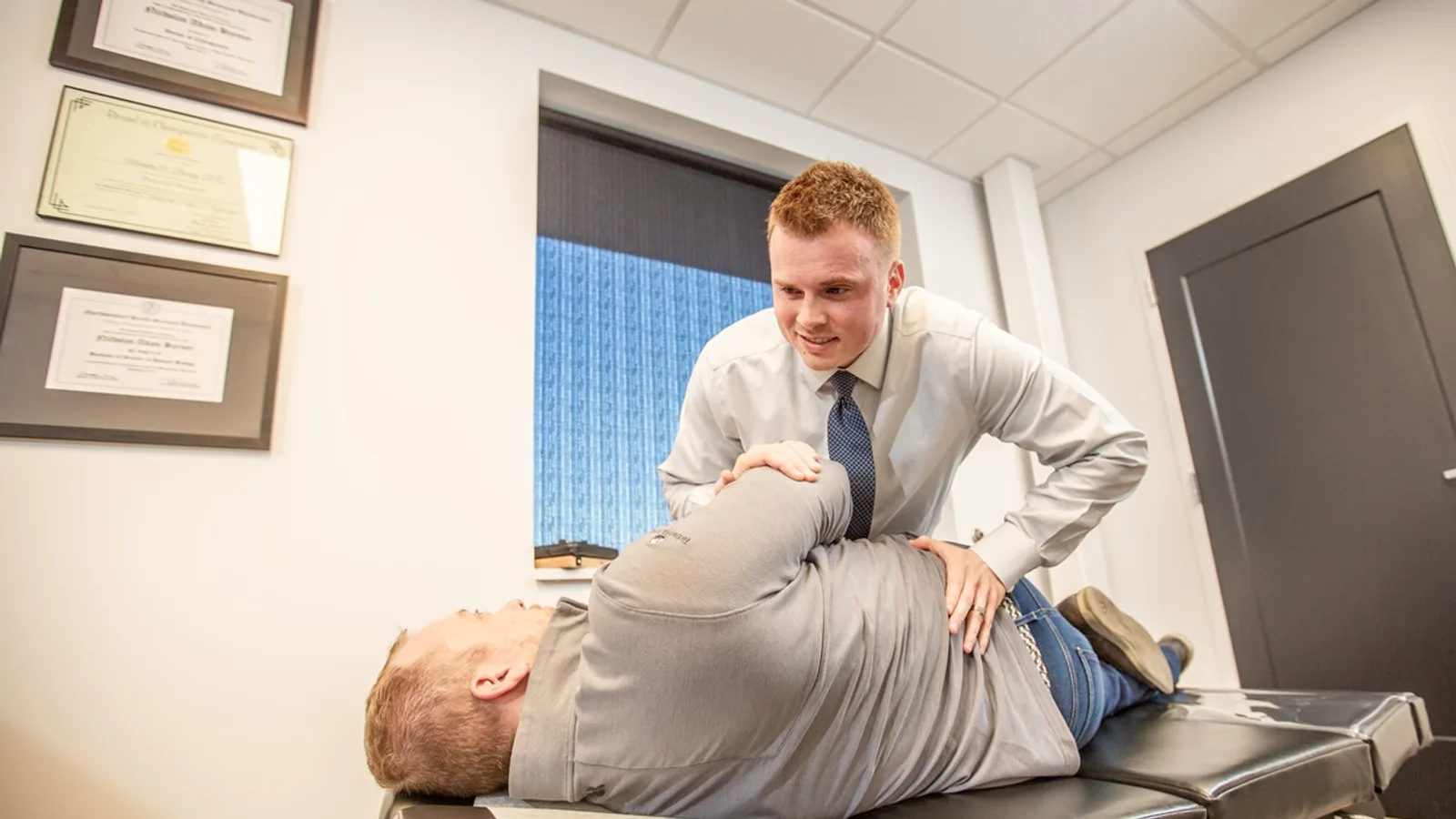
If you've been dealing with tingling fingers, a weak grip, or that frustrating numbness that wakes you up in the middle of the night, you might already suspect carpal tunnel syndrome is to blame. It's one of the most common nerve-related conditions affecting the hand and wrist, and it can make even simple daily tasks feel exhausting. The good news? You don't have to jump straight to surgery or rely solely on wrist braces and pain medication. Here in West Fargo, ND, many patients are discovering that chiropractic care offers a meaningful, non-invasive path toward relief — and it starts with understanding what's actually happening in your body.
What Is Carpal Tunnel Syndrome?
Carpal tunnel syndrome is a condition caused by compression of the median nerve as it passes through the carpal tunnel — a narrow passageway in the wrist made up of bones and ligaments. When this tunnel narrows or surrounding tissues become inflamed, the nerve becomes compressed, leading to pain, tingling, numbness, and weakness in the hand and fingers. It affects the thumb, index finger, middle finger, and part of the ring finger most commonly.
- What Is Carpal Tunnel Syndrome?
- Common Causes and Risk Factors
- Signs and Symptoms to Watch For
- How Chiropractic Care Fits In
- Practical Tips for Managing Carpal Tunnel
- When to See a Chiropractor
- Chiropractic vs. Conventional Approaches
- Myths vs. Facts About Carpal Tunnel
- Final Thoughts
- Frequently Asked Questions
- TL;DR Summary
Common Causes and Risk Factors
Carpal tunnel syndrome doesn't happen overnight. It tends to develop gradually, often as the result of repetitive hand and wrist movements over an extended period of time. People who spend long hours typing, working on assembly lines, playing instruments, or doing detailed handiwork are frequently among those who experience it. But repetitive motion is only part of the picture.
The anatomy of your wrist and the alignment of your spine can also play a significant role. Many people are surprised to learn that nerve irritation in the neck — particularly around the cervical spine — can contribute to or worsen symptoms in the hand and wrist. This is sometimes called a "double crush" phenomenon, where the nerve is compressed at more than one point along its path from the spinal cord to the fingertips. Addressing only the wrist without looking at the broader picture often leads to incomplete or short-term relief.
Other contributing factors include hormonal changes (such as those during pregnancy), inflammatory conditions like rheumatoid arthritis, diabetes, thyroid disorders, and even wrist anatomy variations that some people are simply born with. Being overweight, smoking, and prolonged use of vibrating tools have also been associated with increased risk.
Signs and Symptoms to Watch For
The symptoms of carpal tunnel syndrome are often subtle at first. Many people initially notice a tingling or "pins and needles" feeling in their fingers, especially the thumb and first two fingers. Over time, this can progress to numbness, burning sensations, and aching pain that may travel up the forearm toward the elbow.
One of the most telling signs is nighttime symptoms. Many patients report being woken up at night by numbness or the urge to shake out their hand for relief. This happens because the wrist tends to flex during sleep, increasing pressure on the median nerve. As the condition progresses, it can affect grip strength, making it difficult to hold a coffee mug, button a shirt, or type comfortably.
If you notice any weakness in the muscles at the base of your thumb, or if objects are slipping from your hand more than usual, that's a sign the condition may be more advanced and warrants professional attention sooner rather than later.
How Chiropractic Care Fits In
When most people think about chiropractic care, they think about back and neck pain. And while that's certainly a large part of what chiropractors address, the scope of chiropractic care extends meaningfully into conditions like carpal tunnel syndrome. At Optimal Chiropractic in West Fargo, ND, Dr. Andrew Jahner and Dr. Nicholas Barney take a whole-body approach to care — meaning they don't just treat the wrist in isolation. They look at the full chain of structures that may be contributing to your symptoms.
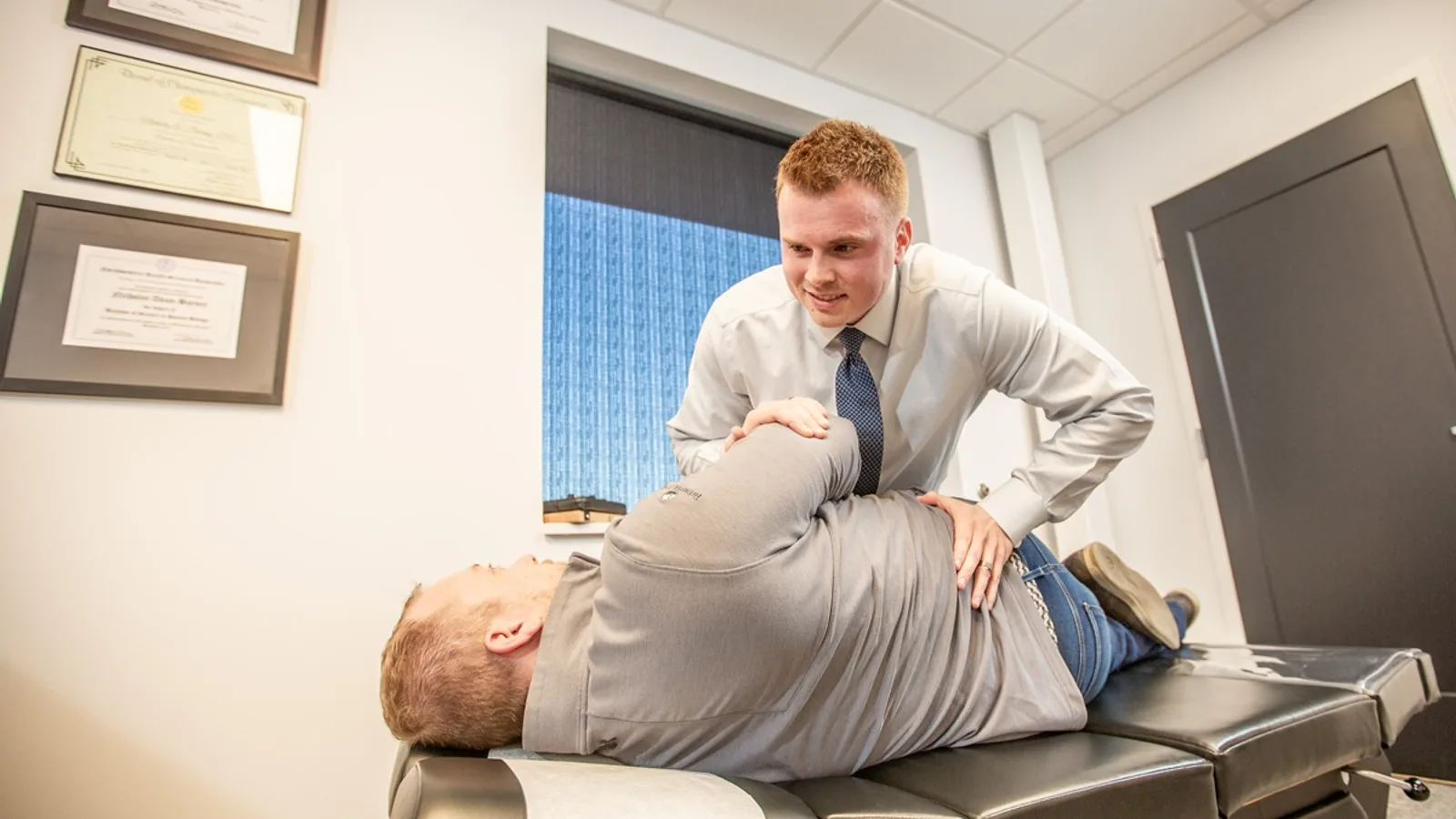
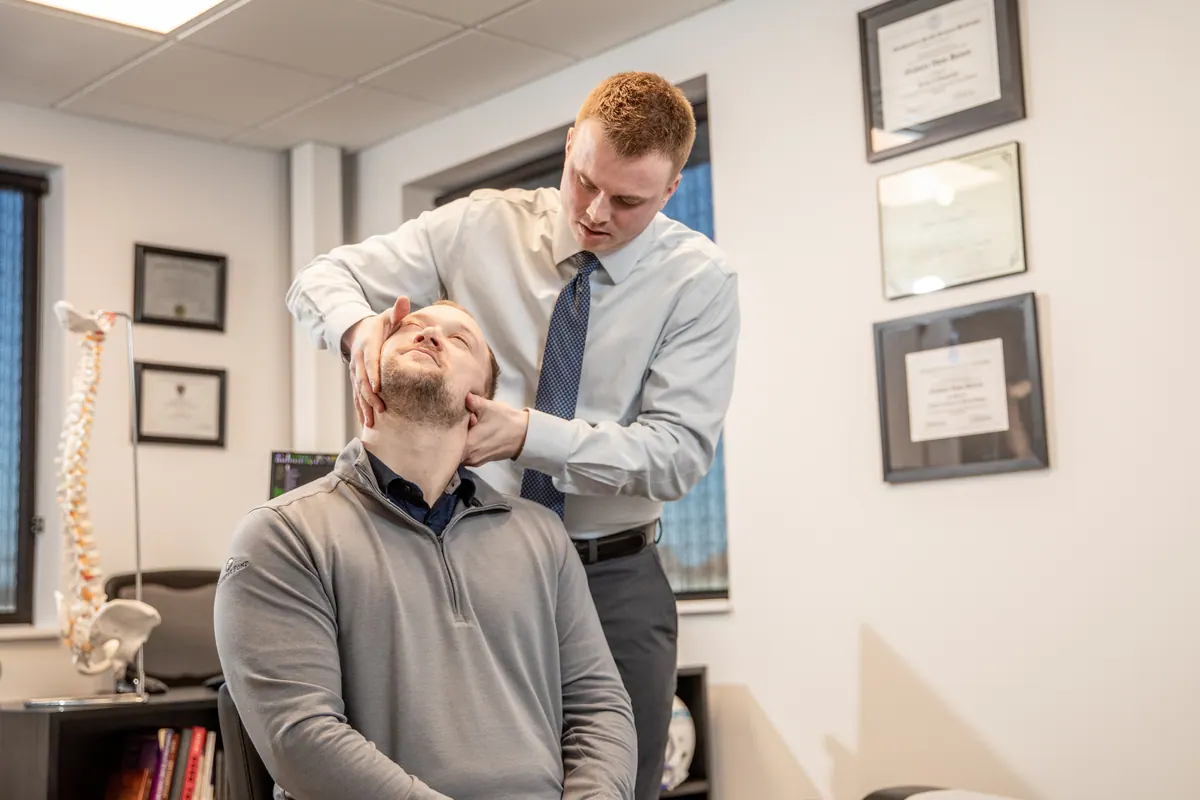
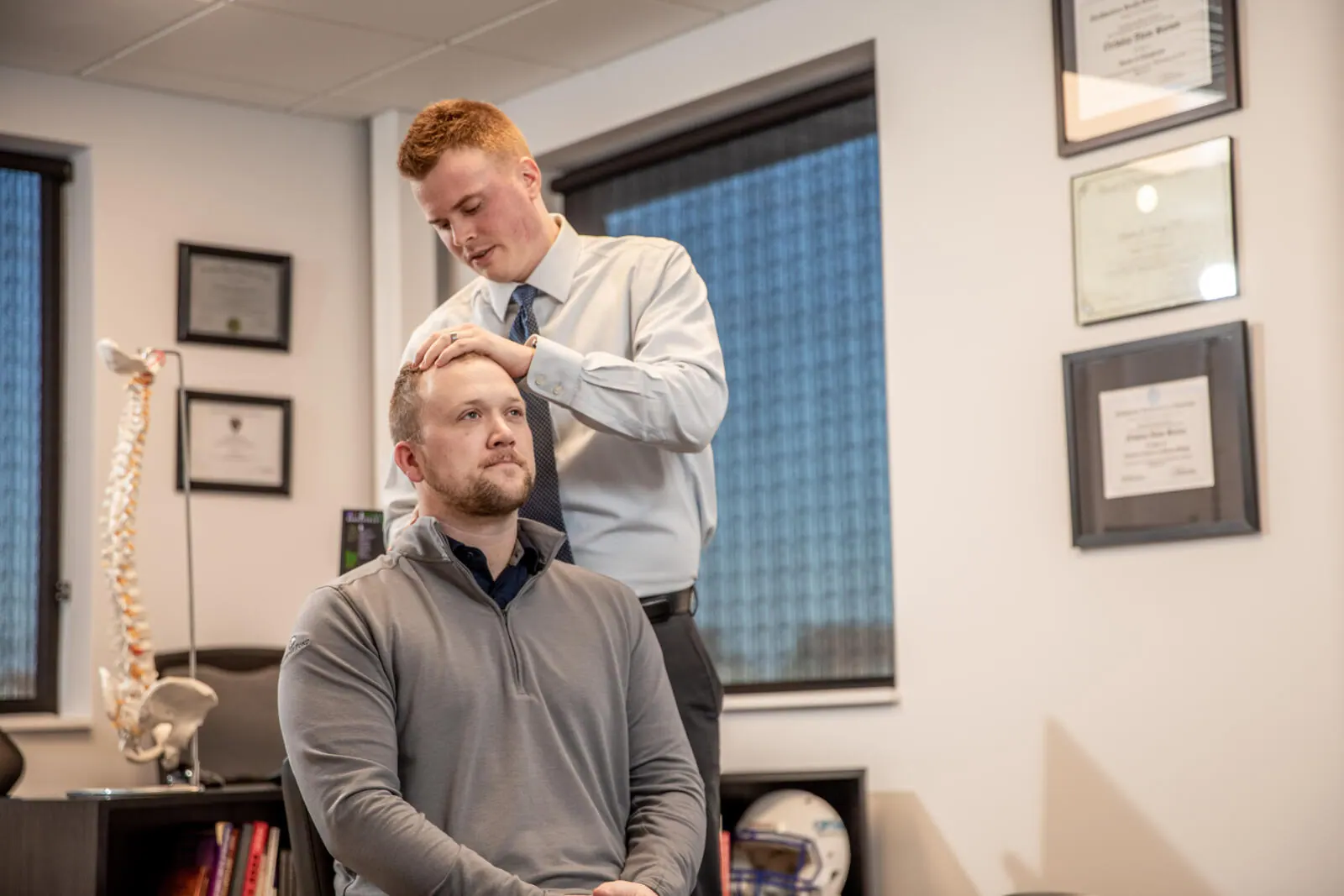
Chiropractic care for carpal tunnel typically involves a thorough evaluation of the wrist, elbow, shoulder, and cervical spine. Because the median nerve originates in the neck, any dysfunction or misalignment along that nerve's path can amplify symptoms in the hand. Gentle spinal adjustments to the cervical and thoracic spine can help restore proper nerve flow and reduce irritation that may be compounding your wrist discomfort.
Beyond spinal adjustments, Dr. Andrew Jahner and Dr. Nicholas Barney may also work directly with the wrist joint itself. Specific adjustments and mobilizations of the carpal bones can help reduce pressure within the carpal tunnel and improve joint mechanics. This is especially helpful when repetitive strain has caused the small wrist bones to shift subtly out of their optimal alignment. Research suggests that conservative chiropractic treatment may offer meaningful improvement for patients with mild to moderate carpal tunnel syndrome, and organizations like the American Chiropractic Association recognize it as part of a reasonable, non-surgical care approach.
Soft tissue therapies may also be incorporated. These can include myofascial release, instrument-assisted soft tissue work, or targeted stretching techniques designed to reduce inflammation, improve circulation, and restore flexibility to the forearm muscles and tendons that pass through the carpal tunnel. The goal is always to identify and address the underlying cause — not just to mask the symptoms temporarily.
Practical Tips for Managing Carpal Tunnel
While professional care is the most effective path forward, there are several things you can do at home to support your recovery and avoid making symptoms worse. Ergonomics are a great place to start. If you work at a computer, make sure your wrist is in a neutral position while typing — not bent upward or downward. Your keyboard and mouse should be positioned so your forearms are roughly parallel to the floor.
Taking regular breaks from repetitive hand activities is also important. Even a one-to-two-minute pause every 30 to 45 minutes to gently stretch your fingers and wrists can reduce cumulative strain significantly. Simple wrist extension and flexion stretches, as well as gentle finger spreading exercises, can help maintain flexibility in the tissues surrounding the carpal tunnel.
Sleeping with a neutral wrist splint at night can reduce nocturnal symptoms for some people, particularly in the early stages. However, this is a management strategy, not a corrective one — it's worth discussing with the team at Optimal Chiropractic to understand how it fits into your overall care plan. Staying well-hydrated and reducing inflammatory foods in your diet can also support tissue health in a broader sense.
When to See a Chiropractor
If you're experiencing tingling, numbness, or pain in your hand or wrist that has lasted more than a few days — especially if it's starting to interfere with your sleep or daily activities — it's worth making an appointment. The earlier carpal tunnel syndrome is addressed, the more options you have available and the better your likely outcome. Waiting until symptoms are severe can sometimes mean longer recovery times and more limited response to conservative care.
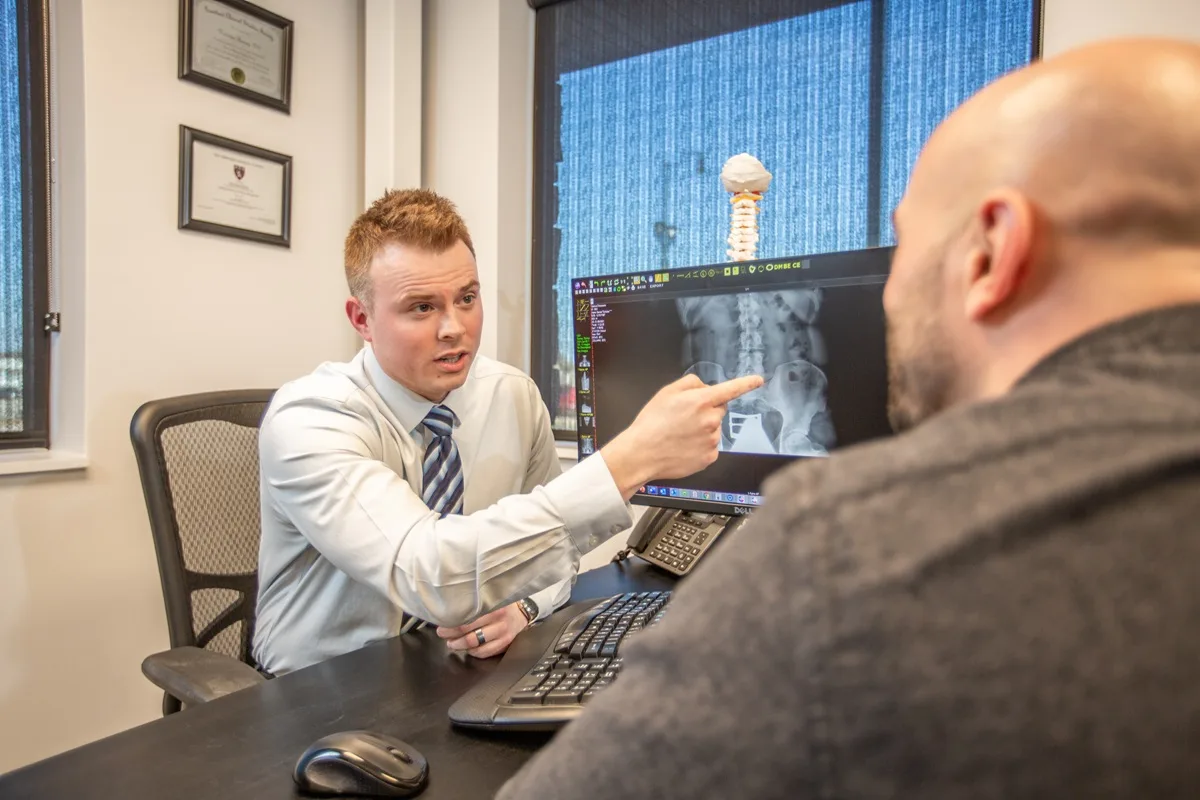
At Optimal Chiropractic in West Fargo, Dr. Andrew Jahner and Dr. Nicholas Barney will perform a thorough assessment that may include orthopedic and neurological tests to help determine the nature and severity of your condition. This kind of evaluation is essential before beginning any care plan.
There are, however, certain red flags that warrant prompt medical referral rather than chiropractic management alone. These include sudden complete loss of sensation or motor function in the hand, symptoms following a traumatic injury such as a fracture, or any signs of significant muscle wasting at the base of the thumb. In those cases, imaging or nerve conduction studies may be necessary, and Dr. Andrew Jahner and Dr. Nicholas Barney will not hesitate to coordinate with appropriate medical providers to make sure you receive the right care.
Chiropractic vs. Conventional Approaches to Carpal Tunnel
| Approach | Method | Invasiveness | Addresses Root Cause? | Common Outcomes |
|---|---|---|---|---|
| Chiropractic Care | Spinal and wrist adjustments, soft tissue therapy, ergonomic guidance | Non-invasive | Yes — examines full nerve pathway | Reduced nerve compression, improved function, symptom relief |
| Wrist Splinting | Bracing to hold wrist in neutral position | Non-invasive | Partially — manages but doesn't correct | Temporary symptom management, especially at night |
| Corticosteroid Injections | Anti-inflammatory injection into carpal tunnel | Minimally invasive | No — reduces inflammation temporarily | Short-term relief, may not prevent recurrence |
| Carpal Tunnel Surgery | Surgical release of the transverse carpal ligament | Invasive | Partially — relieves structural compression | Effective for severe cases, but involves recovery time and risk |
| NSAIDs / Medication | Anti-inflammatory medications taken orally | Non-invasive | No — symptom management only | Temporary pain and inflammation relief |
Myths vs. Facts About Carpal Tunnel Syndrome
Myth: Carpal tunnel syndrome only affects people who type all day.
Fact: While keyboard use is a known contributing factor, carpal tunnel syndrome affects a wide range of people — including those who perform manual labor, play instruments, work with vibrating tools, or have underlying health conditions like diabetes or thyroid disorders. Occupation is just one piece of the puzzle.
Myth: Surgery is the only real solution for carpal tunnel.
Fact: Surgery is typically reserved for severe or unresponsive cases. Evidence indicates that conservative approaches — including chiropractic care, physical therapy, and splinting — can be effective for many patients with mild to moderate symptoms. Many people find meaningful relief without ever needing an operation.
Myth: Chiropractic care only helps with back and neck problems.
Fact: Chiropractors are trained in the musculoskeletal and nervous systems of the entire body. Conditions involving extremities — including carpal tunnel syndrome, tennis elbow, and plantar fasciitis — are routinely addressed in chiropractic practice. The whole-body perspective that chiropractors bring is often exactly what's needed for a nerve-related extremity condition.
Myth: If you ignore it long enough, carpal tunnel will go away on its own.
Fact: Carpal tunnel syndrome is generally a progressive condition. Without proper intervention, symptoms often worsen over time. Waiting too long can lead to permanent nerve damage and reduced hand strength. Early, proactive care typically leads to better outcomes.
Myth: Wearing a wrist brace is enough to fix carpal tunnel.
Fact: A wrist brace can provide helpful symptom management, particularly at night, but it does not address the underlying cause of nerve compression. A brace alone will rarely resolve the condition. It's best used as one component of a broader care strategy developed with a qualified provider.
Final Thoughts
Living with the constant discomfort of carpal tunnel syndrome is genuinely frustrating — but it doesn't have to be your new normal. Here in West Fargo, ND, the team at Optimal Chiropractic understands how much this condition can disrupt your life, and they're committed to helping you find real, lasting relief through evidence-informed, conservative care.
Dr. Andrew Jahner and Dr. Nicholas Barney bring a thorough, whole-body perspective to every patient they see. Rather than simply treating the wrist, they look at the full picture — your cervical spine health, your posture, your daily movement patterns, and the unique factors driving your symptoms. That kind of individualized attention is what sets chiropractic care apart.
If you're in the West Fargo area and have been struggling with hand numbness, wrist pain, or grip weakness, don't wait for things to get worse. Reach out to Optimal Chiropractic and take the first step toward understanding what's happening in your body — and what you can do about it. You deserve to feel well, and there are more options available to you than you might realize.
Frequently Asked Questions
Can a chiropractor actually help with carpal tunnel syndrome?
Yes, chiropractic care has been shown to help many patients with mild to moderate carpal tunnel syndrome. By addressing nerve compression along the full pathway — from the cervical spine to the wrist — chiropractors like Dr. Andrew Jahner and Dr. Nicholas Barney at Optimal Chiropractic in West Fargo can target contributing factors that other approaches may overlook.
How many chiropractic visits does it typically take to see improvement?
The number of visits varies depending on the severity of your condition, how long you've had symptoms, and your overall health. Some patients notice improvement within a few weeks, while others with more chronic cases may require a longer course of care. Your chiropractor will reassess your progress regularly and adjust your plan accordingly.
Is chiropractic care for carpal tunnel painful?
Chiropractic adjustments to the wrist and spine are generally gentle and well-tolerated. Most patients experience minimal discomfort, and many find the hands-on work to be relieving rather than painful. If you have concerns about any technique, it's always appropriate to discuss them with your provider before beginning.
Can carpal tunnel syndrome come back after chiropractic treatment?
It can, particularly if the underlying lifestyle or ergonomic factors that contributed to it aren't addressed. That's why Dr. Andrew Jahner and Dr. Nicholas Barney at Optimal Chiropractic emphasize education, ergonomic guidance, and self-care strategies alongside hands-on treatment — to help reduce the likelihood of recurrence.
Should I see a chiropractor or a medical doctor first for carpal tunnel?
Either is a reasonable starting point for mild to moderate symptoms. A chiropractor can perform a thorough evaluation and help determine whether conservative care is appropriate or whether a referral for nerve conduction testing or imaging is needed. The chiropractors at Optimal Chiropractic in West Fargo are experienced in making those determinations and coordinating care when necessary.
Are there any exercises I can do at home for carpal tunnel relief?
Gentle wrist stretches and nerve gliding exercises are commonly recommended as supportive measures, but they should ideally be guided by your care provider to ensure they're appropriate for your specific situation. What helps one person may not be right for another, especially if there are multiple areas of nerve involvement.
TL;DR Summary
- Carpal tunnel syndrome involves compression of the median nerve in the wrist, causing numbness, tingling, pain, and grip weakness.
- Chiropractic care addresses not just the wrist but the full nerve pathway, including the cervical spine, making it a genuinely whole-body approach.
- Dr. Andrew Jahner and Dr. Nicholas Barney at Optimal Chiropractic in West Fargo, ND offer individualized, non-invasive care for carpal tunnel syndrome.
- Early intervention leads to better outcomes — don't wait until symptoms are severe to seek help.
- Conservative care options, including chiropractic adjustments and ergonomic guidance, can be effective alternatives or complements to surgery and medication.