If you've been dealing with tingling fingers, a numb hand, or that frustrating weakness that makes it hard to grip your coffee mug in the morning, you're not alone. Carpal tunnel syndrome is one of the most common nerve-related conditions we see in our community — and it's also one of the most misunderstood. Many people assume there's only one kind of carpal tunnel, or that surgery is the only answer. Neither of those things is true. Here at Optimal Chiropractic in West Fargo, ND, we want to help you understand what's really going on in your wrist, what might be causing your symptoms, and how conservative care can often make a meaningful difference in how you feel day to day.
What Is Carpal Tunnel Syndrome?
Carpal tunnel syndrome occurs when the median nerve — which runs from your forearm through a narrow passageway in your wrist called the carpal tunnel — becomes compressed or irritated. This compression can cause pain, numbness, tingling, and weakness in the hand and fingers, particularly in the thumb, index, middle, and part of the ring finger.
- The Different Types of Carpal Tunnel
- Common Causes of Carpal Tunnel Syndrome
- Signs and Symptoms to Watch For
- How Chiropractic Care Fits In
- Practical Tips for Managing Carpal Tunnel
- When to See a Chiropractor
- Myths vs. Facts About Carpal Tunnel
- Final Thoughts from Optimal Chiropractic
The Different Types of Carpal Tunnel
When most people hear "carpal tunnel," they picture someone who types at a computer all day. And while repetitive computer use can certainly be a contributing factor, it doesn't tell the whole story. Carpal tunnel syndrome actually presents in several distinct ways depending on the underlying cause, the degree of nerve compression, and how long the condition has been developing. Understanding these variations can help explain why two people with the "same" diagnosis may have very different experiences.
Idiopathic Carpal Tunnel Syndrome
The most common form is called idiopathic carpal tunnel syndrome — meaning there's no single identifiable cause. The carpal tunnel simply becomes narrowed over time, putting pressure on the median nerve. This type tends to develop gradually and is most common in middle-aged adults. It often affects both hands, though one side is usually worse than the other. Idiopathic cases are strongly associated with individual anatomy, body composition, and long-term postural habits.
Occupational or Activity-Related Carpal Tunnel Syndrome
This form develops as a direct result of repetitive hand and wrist movements or prolonged awkward wrist positioning at work or during hobbies. Many of the patients who visit Optimal Chiropractic in West Fargo experiencing this type work in manufacturing, construction, food processing, or administrative roles that require extended keyboard or mouse use. The repeated mechanical stress inflames the tendons within the carpal tunnel, reducing the space available for the median nerve and triggering symptoms over time.
Secondary Carpal Tunnel Syndrome
Secondary carpal tunnel syndrome occurs as a result of another underlying health condition that physically changes the anatomy of the wrist or affects the body's tissues. Conditions like diabetes, hypothyroidism, rheumatoid arthritis, obesity, and pregnancy can all increase pressure within the carpal tunnel. In these cases, managing the root cause is an essential part of addressing the nerve compression. This is why a thorough health history matters so much during your first visit with Dr. Andrew Jahner.
Acute Carpal Tunnel Syndrome
Unlike the gradual onset of most carpal tunnel cases, acute carpal tunnel syndrome comes on rapidly — often following a wrist fracture, dislocation, or sudden injury that causes swelling within the carpal tunnel. This version can be quite painful and may require more urgent care to relieve pressure on the median nerve. It's one of the forms most likely to need collaborative medical management, though conservative care still plays an important role in recovery once the acute phase is controlled.
Double Crush Syndrome
This is a less commonly discussed but very real presentation. Double crush syndrome refers to compression of the median nerve at two or more separate points along its path — for example, in the neck or shoulder AND at the wrist. When this happens, the nerve is already sensitized from one point of compression, making it far more vulnerable and reactive at the second location. Dr. Andrew Jahner and Dr. Nicholas Barney at Optimal Chiropractic understand the importance of evaluating the entire nerve pathway — not just the wrist — to identify whether double crush syndrome may be contributing to your symptoms.
Common Causes of Carpal Tunnel Syndrome
Understanding the type of carpal tunnel you have starts with understanding what caused it. The carpal tunnel is a rigid structure — it cannot expand. So anything that takes up more space inside it, or increases tension on the median nerve, can lead to symptoms. Here are the most well-established contributing factors.
Repetitive Wrist and Hand Movements
Spending long hours typing, clicking a mouse, using vibrating tools, or performing assembly-line work puts repeated mechanical stress on the tendons and soft tissues within the carpal tunnel. Over time, that chronic low-grade irritation causes inflammation and swelling, squeezing the median nerve. This is especially common in West Fargo residents who work in office environments or industrial settings where hand-intensive tasks are unavoidable.
Wrist Positioning
How you hold your wrist matters enormously. When the wrist is held in a flexed (bent downward) or extended (bent upward) position for prolonged periods — such as sleeping with a bent wrist, or typing with hands dropped below keyboard level — pressure inside the carpal tunnel increases significantly. Poor ergonomic setup at a workstation is one of the most preventable contributors to this condition.
Underlying Health Conditions
Several systemic conditions change the tissues inside or around the carpal tunnel. Diabetes can alter nerve function through a process called peripheral neuropathy. Hypothyroidism can cause fluid retention that increases pressure within the tunnel. Pregnancy-related fluid retention is another well-known trigger — many women experience carpal tunnel symptoms that resolve after delivery. Rheumatoid arthritis can inflame the tendons running through the tunnel, further reducing space for the nerve.
Anatomy and Genetics
Some people simply have a naturally smaller carpal tunnel, making them more susceptible to developing symptoms even without obvious external triggers. This anatomical predisposition tends to run in families, which is why carpal tunnel syndrome can sometimes seem to affect multiple members of the same household.
Cervical Spine Involvement
As mentioned with double crush syndrome, nerve irritation can begin in the neck. Disc issues or joint dysfunction in the cervical spine can sensitize the median nerve long before it even reaches the wrist. This is a critical connection that is often overlooked when carpal tunnel is evaluated in isolation. The team at Optimal Chiropractic — including Dr. Andrew Jahner and Dr. Nicholas Barney — takes a full-spine approach to evaluating hand and wrist symptoms, because what's happening in the neck can absolutely influence what you feel in your fingers.
Signs and Symptoms to Watch For
Carpal tunnel symptoms tend to follow a recognizable pattern, though severity varies widely from person to person. The most common early symptom is numbness or tingling in the thumb, index, middle, and ring fingers — notably sparing the little finger, which is served by a different nerve. Many people notice these sensations are worst at night or first thing in the morning, often waking them from sleep.
As the condition progresses, symptoms may include a persistent aching or burning sensation in the wrist and forearm, weakness when gripping or pinching objects, and a tendency to drop things. In more advanced cases, some people notice shrinkage of the muscle at the base of the thumb — a sign that the nerve compression has been significant and long-standing. If you're noticing any of these signs, it's worth getting evaluated sooner rather than later.
How Chiropractic Care Fits In
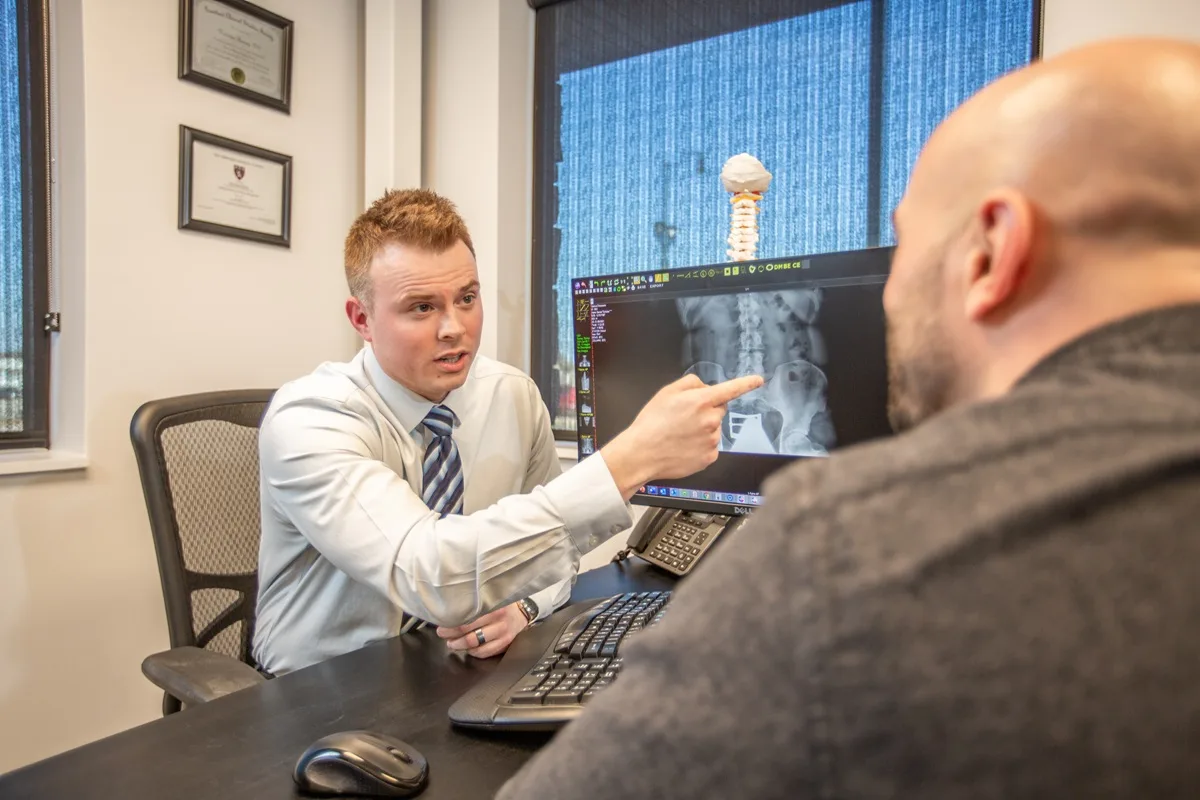
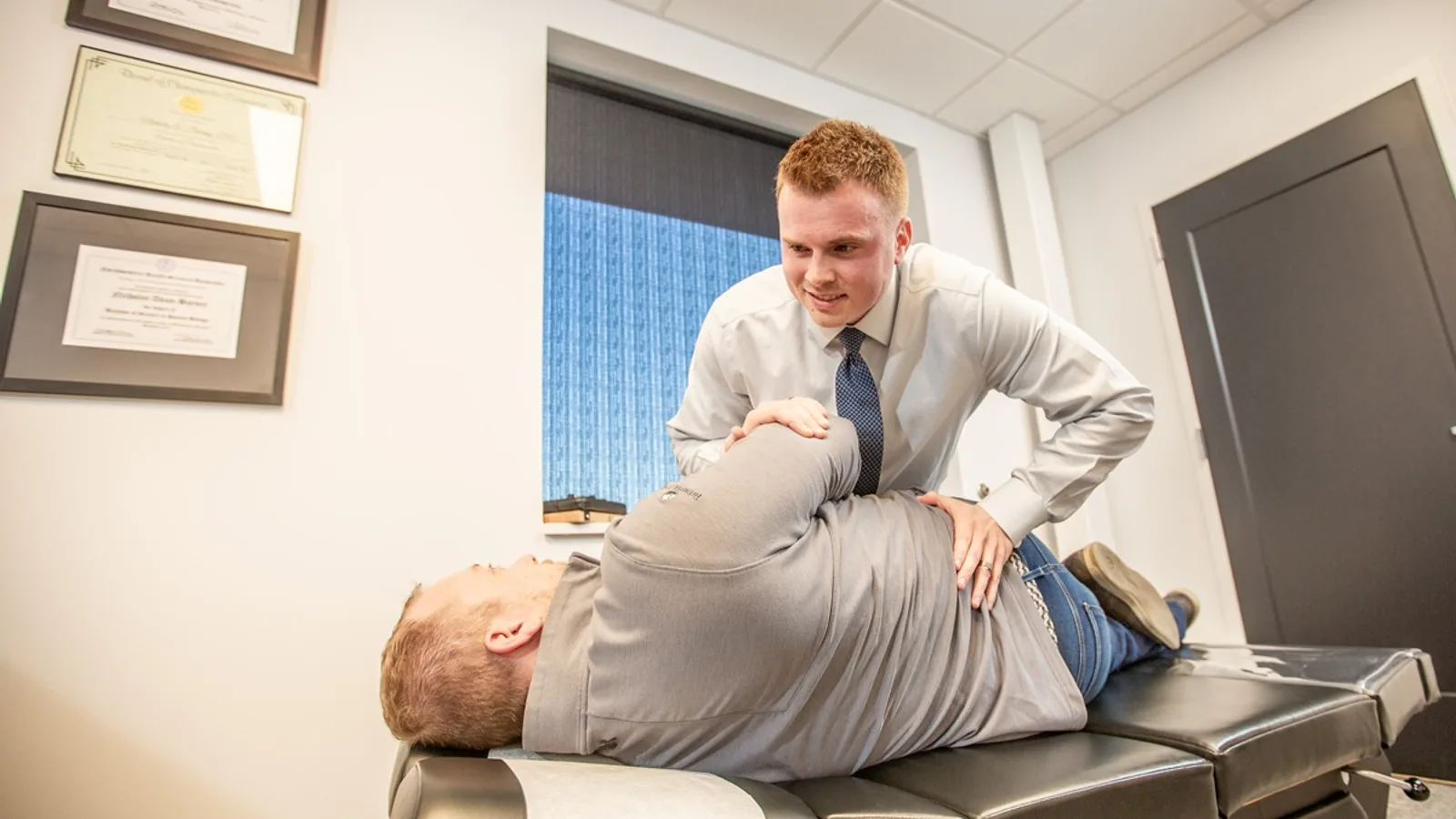
Chiropractic care offers a non-surgical, drug-free approach to addressing the contributing factors of carpal tunnel syndrome. Rather than simply masking symptoms, the goal is to identify where nerve irritation or mechanical dysfunction originates and address it at the source. At Optimal Chiropractic in West Fargo, ND, Dr. Andrew Jahner and Dr. Nicholas Barney evaluate not just the wrist, but the entire kinetic chain — including the cervical spine, shoulder, elbow, and forearm — to get a complete picture of what's driving your symptoms.
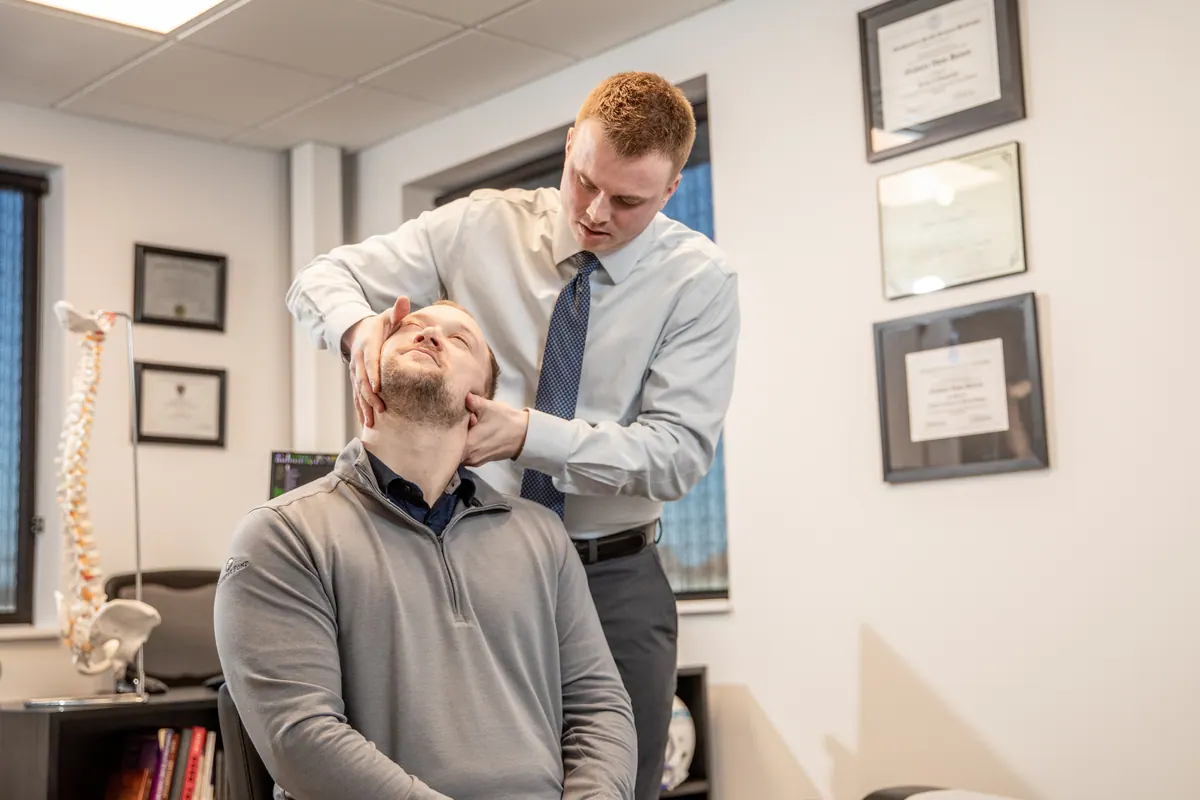
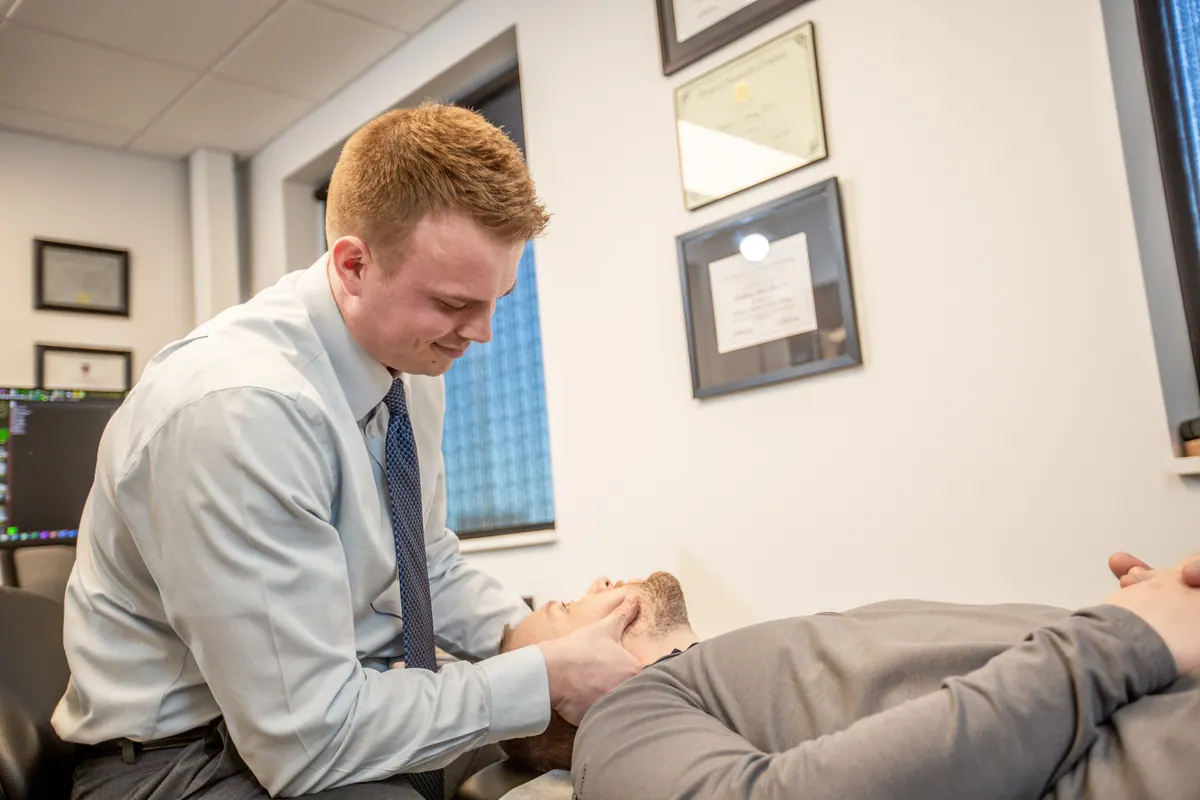
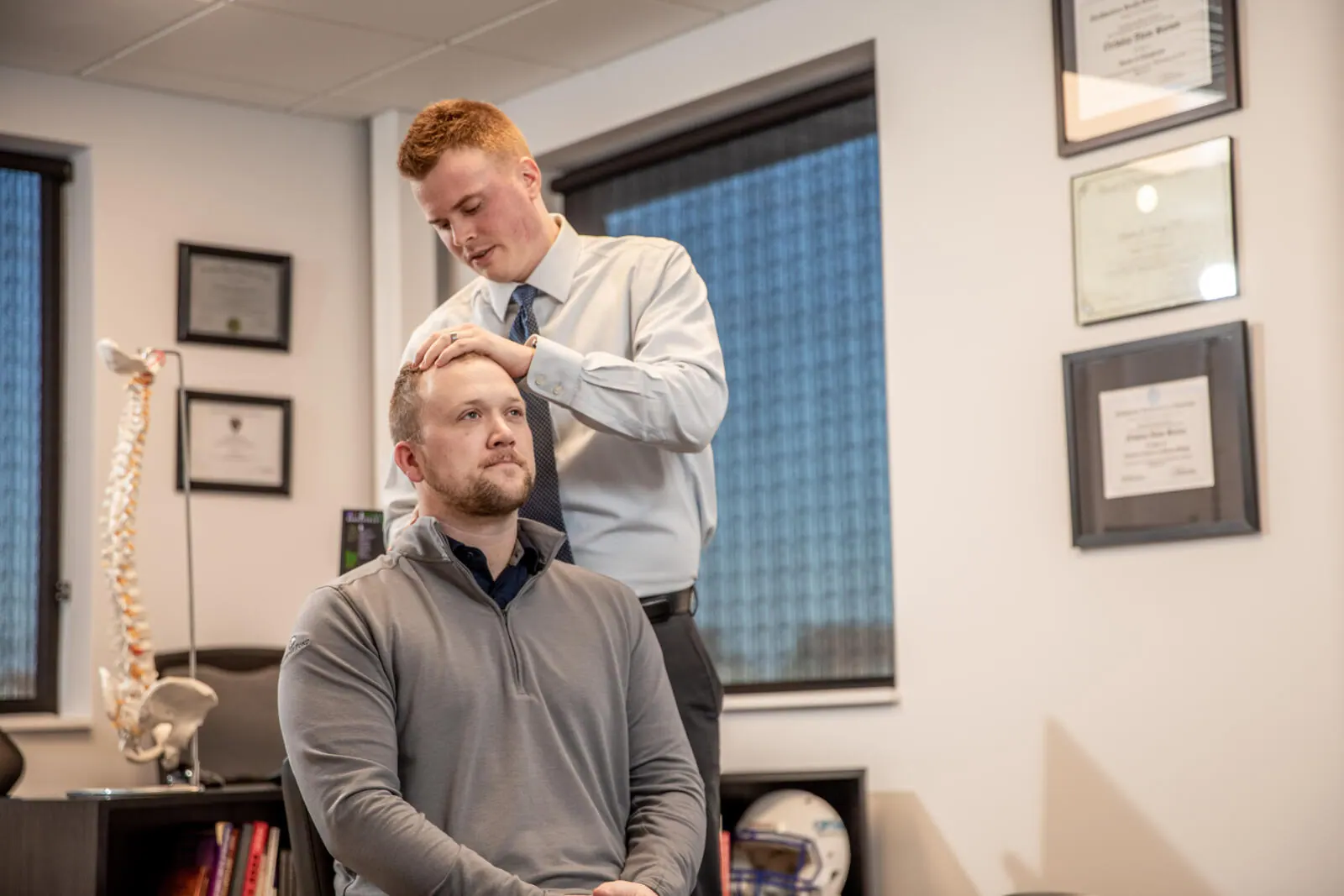
Chiropractic adjustments to the wrist, hand, and cervical spine can help restore proper joint motion and reduce mechanical irritation on the median nerve. Soft tissue therapies may be used to address tightness and inflammation in the forearm muscles and connective tissue surrounding the carpal tunnel. Research published in peer-reviewed literature, including work referenced by the American Chiropractic Association, suggests that conservative care — including manual therapy — can be an effective option for mild to moderate carpal tunnel syndrome. Care is always individualized, and if your situation requires collaboration with another healthcare provider, Dr. Andrew Jahner and Dr. Nicholas Barney will make sure you're pointed in the right direction.
Practical Tips for Managing Carpal Tunnel
While professional care is important for a proper diagnosis and treatment plan, there are several things you can do in your daily life to reduce stress on the carpal tunnel and support your recovery. These aren't cures — but they can meaningfully reduce symptom flare-ups and prevent further irritation.
Keep your wrists in a neutral position as much as possible during computer work. This means your hands should be roughly level with your elbows, neither bent up nor dropped down. If you sleep with your wrists curled under your pillow or bent awkwardly, a wrist splint worn at night can help maintain a neutral position and reduce nighttime symptoms. Take regular movement breaks during repetitive tasks — even a 60-second pause to gently move your fingers and shake out your hands can reduce cumulative stress on the carpal tunnel over a full workday.
Pay attention to your overall posture, too. Rounded shoulders and a forward head posture can compress nerves as they exit the cervical spine and travel toward the hand. Improving how you sit and hold your body — something Dr. Andrew Jahner and Dr. Nicholas Barney can help you work on — can have a surprising impact on hand and wrist symptoms over time.
When to See a Chiropractor
You don't need to be in severe pain to benefit from an evaluation. If you've been experiencing numbness, tingling, or aching in your hand or fingers that lasts more than a few days, or if symptoms are interrupting your sleep, it's a good time to get checked out. Early intervention tends to lead to better outcomes with conservative care.
That said, there are certain warning signs that warrant prompt medical attention rather than a wait-and-see approach. If you experience sudden, severe wrist pain following a fall or injury, significant muscle wasting at the base of the thumb, or complete loss of sensation in the hand, you should seek medical care right away. These may indicate a more serious level of nerve compromise that needs urgent evaluation. For most people experiencing mild to moderate symptoms here in the West Fargo area, chiropractic care is an excellent first step.
| Presentation | Likely Type | Primary Contributing Factor | Recommended First Step |
|---|---|---|---|
| Gradual numbness, no clear cause | Idiopathic | Anatomy, age, body composition | Chiropractic evaluation |
| Symptoms tied to work tasks | Occupational | Repetitive motion, poor ergonomics | Chiropractic care + ergonomic changes |
| Symptoms alongside diabetes or thyroid issues | Secondary | Underlying systemic condition | Co-management with primary care |
| Sudden onset after wrist injury | Acute | Trauma, swelling, fracture | Medical evaluation first |
| Symptoms involving neck, shoulder, and hand | Double Crush | Multilevel nerve compression | Full-spine chiropractic evaluation |
Myths vs. Facts About Carpal Tunnel
Myth: Carpal tunnel only affects people who type all day.
Fact: While keyboard use can be a contributing factor, carpal tunnel syndrome affects people across a wide range of occupations and lifestyles — including those who don't use computers at all. Mechanics, hairstylists, musicians, and construction workers are all commonly affected. Underlying health conditions, anatomy, and cervical spine issues can cause or contribute to it regardless of computer use.
Myth: Surgery is the only effective treatment.
Fact: Surgery is one option — but it is not the only one, and it is generally recommended only after conservative care has been tried. Research suggests that manual therapy, wrist splinting, and ergonomic modifications can provide meaningful relief for many people with mild to moderate carpal tunnel syndrome. At Optimal Chiropractic in West Fargo, conservative care is always explored thoroughly before any surgical referral is considered appropriate.
Myth: If symptoms go away on their own, there's no problem.
Fact: Symptoms that come and go can still reflect ongoing nerve compression that's gradually worsening. Intermittent symptoms are actually a hallmark of early-stage carpal tunnel syndrome. Getting evaluated during this window — before symptoms become constant or severe — gives you the best opportunity to address the issue with conservative care.
Myth: Carpal tunnel only affects the wrist.
Fact: The median nerve originates in the cervical spine and travels all the way to the fingertips. Problems anywhere along that path can contribute to or complicate carpal tunnel symptoms. This is why Dr. Andrew Jahner and Dr. Nicholas Barney evaluate the neck and upper extremity as a whole rather than focusing exclusively on the wrist.
Myth: Carpal tunnel is permanent and irreversible.
Fact: When identified and addressed early, many people experience significant improvement in carpal tunnel symptoms through conservative care and lifestyle modifications. Even in more chronic cases, appropriate management can help slow progression and improve quality of life meaningfully.
Final Thoughts from Optimal Chiropractic
Living with hand pain, numbness, or weakness doesn't have to be your normal. Here in West Fargo, ND, the team at Optimal Chiropractic is passionate about helping community members understand what's driving their symptoms and finding real, lasting solutions that don't start with a prescription or end with a surgery consultation. Dr. Andrew Jahner and Dr. Nicholas Barney bring a thorough, whole-body perspective to every patient they see — because when it comes to something like carpal tunnel syndrome, the wrist is rarely the whole story.
Whether you've been dealing with symptoms for a few weeks or a few years, it's never too late to get a clearer picture of what's going on. We'd love to be part of your journey back to feeling your best — right here in your community.
Frequently Asked Questions
Can a chiropractor actually treat carpal tunnel syndrome?
Yes, chiropractic care can be a helpful part of managing carpal tunnel syndrome, particularly for mild to moderate cases. Chiropractors like Dr. Andrew Jahner and Dr. Nicholas Barney at Optimal Chiropractic address joint dysfunction in the wrist and spine that may be contributing to nerve irritation, using manual therapy techniques as part of a broader conservative care plan.
How do I know if I have carpal tunnel or something else?
Carpal tunnel syndrome has a characteristic pattern — numbness and tingling in the thumb, index, middle, and part of the ring finger, often worse at night. However, similar symptoms can come from other conditions, including cubital tunnel syndrome or cervical radiculopathy. A proper evaluation is essential to get an accurate diagnosis before beginning any treatment.
Is carpal tunnel worse during pregnancy?
Yes, pregnancy-related fluid retention can increase pressure within the carpal tunnel, causing or worsening symptoms. The good news is that for many women, symptoms improve significantly after delivery as fluid levels normalize. Conservative management during pregnancy — including splinting and gentle manual care — can help reduce discomfort in the meantime.
Can poor posture really cause carpal tunnel symptoms?
Poor posture — particularly forward head posture and rounded shoulders — can contribute to compression of nerves as they exit the cervical spine. This can sensitize the median nerve, making it more susceptible to symptoms at the wrist level. Addressing posture is often an overlooked but important part of a complete carpal tunnel care plan.
How long does it take to feel better with chiropractic care for carpal tunnel?
The timeline varies depending on the severity and duration of nerve compression, the underlying cause, and how consistent you are with any recommended lifestyle modifications. Some people notice improvement within a few weeks; others with longer-standing cases may take longer. Dr. Andrew Jahner and Dr. Nicholas Barney will give you a realistic sense of what to expect based on your specific situation.
Should I wear a wrist brace for carpal tunnel?
A wrist brace or splint worn at night can help keep the wrist in a neutral position, reducing pressure on the median nerve during sleep. This is a commonly recommended conservative strategy and can be especially helpful for reducing nighttime symptoms. Talk to your chiropractor before using a brace during daytime activities, as improper use could affect wrist mechanics.
TL;DR
- Carpal tunnel syndrome is not one-size-fits-all — it comes in several forms, including idiopathic, occupational, secondary, acute, and double crush presentations.
- Common causes include repetitive hand movements, poor wrist positioning, underlying health conditions, anatomical factors, and nerve compression originating in the cervical spine.
- Symptoms include numbness, tingling, and weakness in the thumb, index, middle, and ring fingers — often worst at night.
- Chiropractic care offers a non-surgical, drug-free approach that addresses the whole nerve pathway, not just the wrist.
- Early evaluation leads to better outcomes — if you're in West Fargo, ND and experiencing these symptoms, Dr. Andrew Jahner and Dr. Nicholas Barney at Optimal Chiropractic are here to help.