
Shoulder pain is one of the most frustrating things a person can deal with day to day. Whether it flares up when you reach for something overhead, aches through the night, or makes it hard to enjoy your favorite activities, it has a real impact on your quality of life. Here in West Fargo, ND, many patients come through the doors of Optimal Chiropractic looking for answers — and more importantly, relief. Understanding what’s causing your shoulder pain is the first step toward feeling better. In this article, we’re going to walk through the most common causes of shoulder pain, how chiropractic care may help, and what you can do to support your shoulder health starting today.
What Is Shoulder Pain?
Shoulder pain refers to any discomfort, aching, stiffness, or sharp sensation in or around the shoulder joint and surrounding structures. It can stem from the muscles, tendons, bursae, nerves, or the joint itself. Because the shoulder is one of the most mobile joints in the body, it is also one of the most vulnerable to strain, injury, and overuse.
Understanding Shoulder Anatomy
Before diving into the causes of shoulder pain, it helps to understand what makes the shoulder so unique. The shoulder is made up of three bones: the humerus (upper arm bone), the scapula (shoulder blade), and the clavicle (collarbone). These bones work together in a complex system that allows you to lift, rotate, push, pull, and reach in nearly every direction.
Surrounding those bones is a network of muscles, tendons, and ligaments. The rotator cuff — a group of four muscles and their tendons — is particularly important. These muscles stabilize the shoulder joint and allow for controlled movement. There’s also a fluid-filled sac called the bursa that sits between the tendons and bones, reducing friction during movement.
Because so many structures are packed into a relatively small area, shoulder pain can have many different origins. A problem with one structure often affects the others. That’s why identifying the root cause is so critical to getting effective, lasting relief.
Top Causes of Shoulder Pain
There’s rarely just one reason someone develops shoulder pain. Most cases involve a combination of factors, including lifestyle habits, repetitive movements, and sometimes underlying issues in the spine or surrounding musculature. Below are the most common causes our team at Optimal Chiropractic sees in the West Fargo community.
Rotator Cuff Injuries
Rotator cuff injuries are among the most frequent causes of shoulder pain. These injuries can range from mild inflammation and irritation to partial or complete tears of the tendon tissue. Repetitive overhead movements — common in athletes, painters, construction workers, and even frequent gym-goers — are a leading contributor. The pain is often described as a dull ache deep in the shoulder that worsens when lifting the arm or lying on the affected side.
Many people are surprised to learn that rotator cuff issues can develop gradually over time without any single traumatic event. Cumulative stress on the tendons, poor shoulder mechanics, and muscle imbalances all play a role. Early intervention and corrective care can make a significant difference in outcomes.
Shoulder Impingement Syndrome
Shoulder impingement happens when the tendons of the rotator cuff become compressed or pinched as they pass through the narrow space beneath the top of the shoulder blade (the acromion). This pinching causes pain, especially when raising the arm to the side or forward. Over time, repeated impingement can lead to tendon irritation and even tearing if left unaddressed.
Poor posture — specifically rounded shoulders and a forward head position — is a major contributor to impingement. When the shoulder blade doesn’t move properly, the space for the tendons narrows. This is a condition that responds very well to chiropractic assessment and posture correction.
Frozen Shoulder (Adhesive Capsulitis)
Frozen shoulder is a condition where the connective tissue surrounding the shoulder joint becomes inflamed and thickened, causing progressive stiffness and pain. It typically develops in three stages: a painful “freezing” phase, a stiff “frozen” phase, and a gradual “thawing” phase where movement begins to return. The whole process can take months to years to fully resolve on its own.
This condition is more common in people over 40, in women, and in individuals with diabetes or thyroid conditions. It often follows a period of shoulder immobilization, such as after an injury or surgery. Gentle, consistent movement therapy and conservative care can help support recovery during each stage.
Bursitis
The bursa in the shoulder can become inflamed from repetitive motion, direct trauma, or irritation from adjacent tendons. When inflamed, this small sac causes significant pain and tenderness, particularly with overhead activity. Bursitis often occurs alongside rotator cuff problems, making proper diagnosis important to address all contributing factors effectively.
Cervical Spine Dysfunction (Referred Pain)
This is one of the most overlooked causes of shoulder pain — and it’s something our team at Optimal Chiropractic pays close attention to. The nerves that supply the shoulder and arm originate from the cervical spine (your neck). When vertebrae in the neck become misaligned or when the discs between them are compressed, the resulting nerve irritation can radiate pain down into the shoulder, upper arm, and even the hand.
Many patients come in thinking they have a shoulder problem, when in fact the root cause is a cervical issue that needs to be addressed first. A thorough chiropractic evaluation that includes the neck is essential to getting to the true source of the pain.
Muscle Tension and Postural Imbalance
Modern life is tough on the shoulders. Long hours at a desk, prolonged smartphone use, and sedentary habits all contribute to chronically tight muscles and postural imbalances. Over time, the muscles of the upper back and neck become overstretched and weak, while the chest muscles tighten and pull the shoulders forward. This imbalance places constant strain on the shoulder structures and often leads to chronic aching, stiffness, and reduced mobility.
AC Joint Sprains
The acromioclavicular (AC) joint sits at the top of the shoulder where the collarbone meets the shoulder blade. Sprains to this joint are common from falls onto the shoulder, direct impacts during contact sports, or heavy lifting. Symptoms include localized pain and tenderness directly at the top of the shoulder, sometimes with a visible bump. AC joint injuries are graded by severity and most mild-to-moderate cases respond well to conservative care.
How Chiropractic Care Fits In
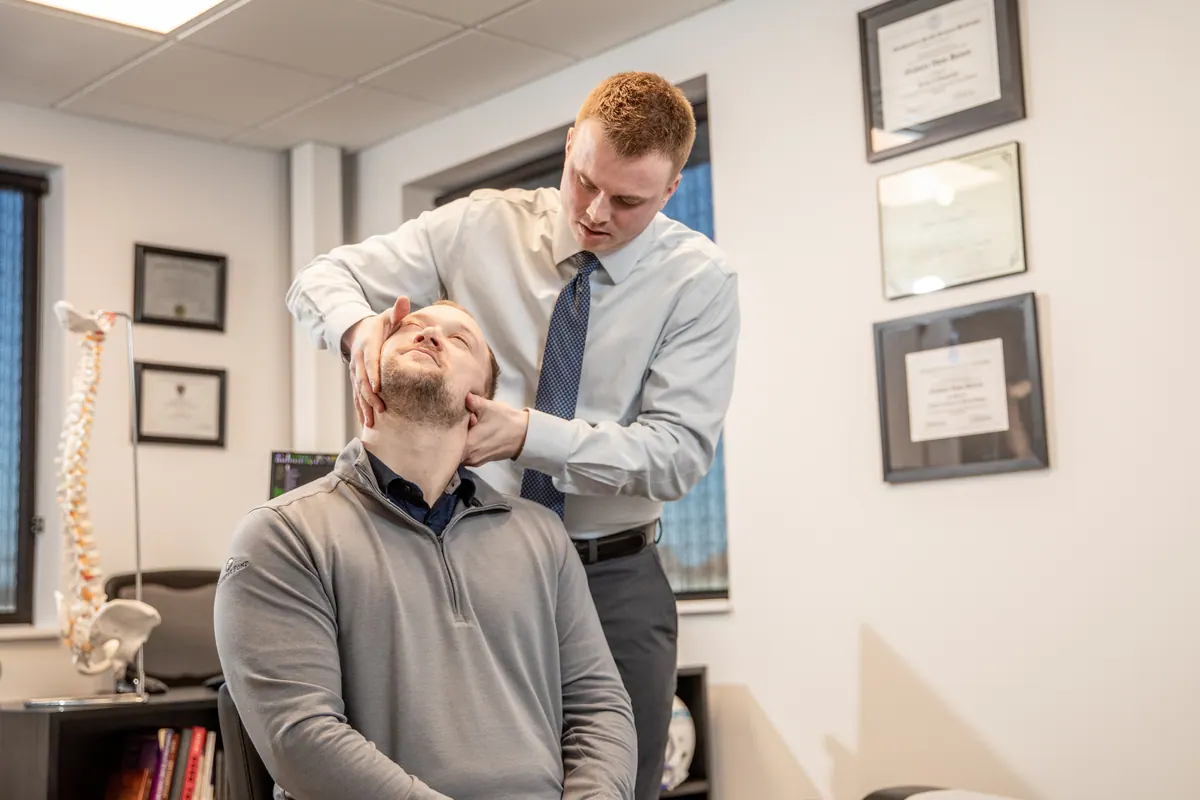
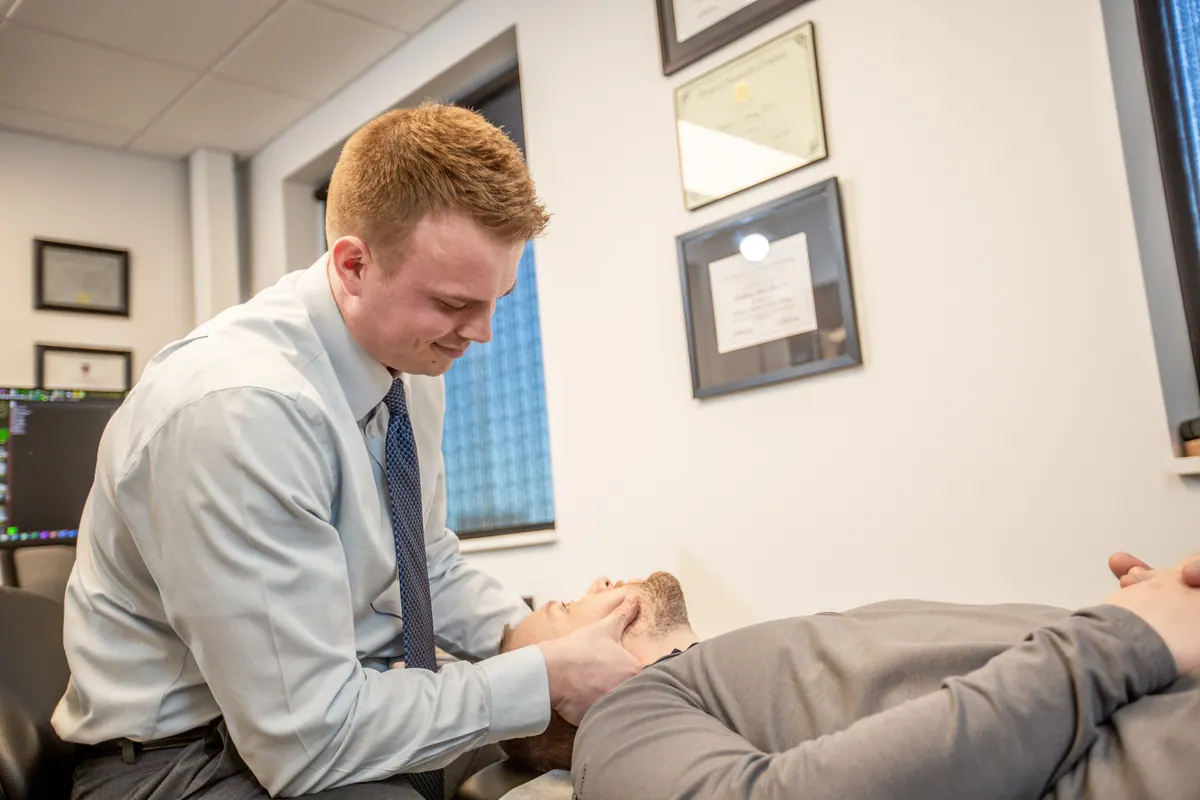
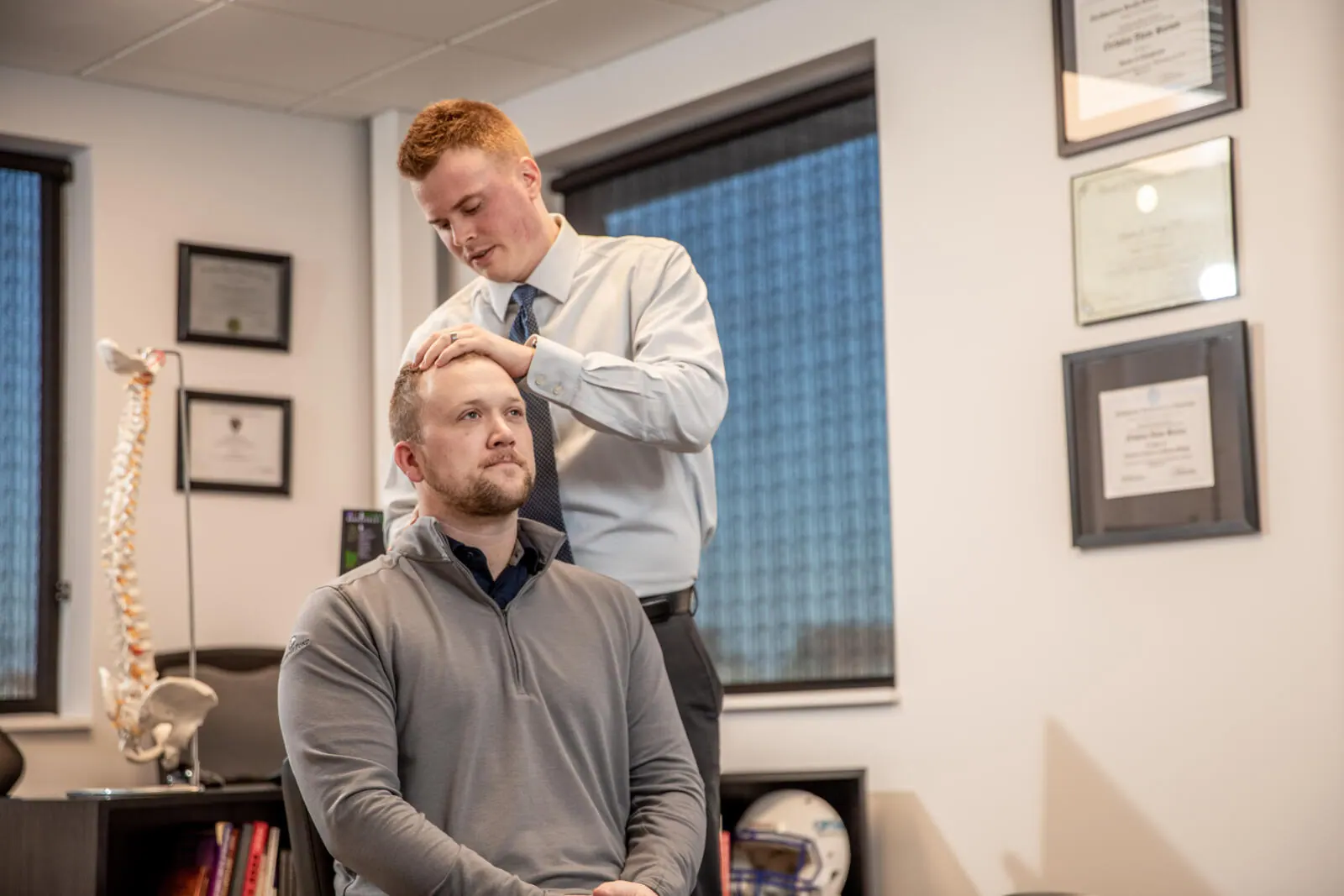
Chiropractic care offers a non-invasive, drug-free approach to evaluating and managing shoulder pain. At Optimal Chiropractic in West Fargo, ND, Dr. Andrew Jahner and Dr. Nicholas Barney take a whole-body approach when assessing shoulder complaints. Rather than treating only the site of pain, the care team examines how the cervical spine, thoracic spine, shoulder blade movement, and overall posture may be contributing to the problem.
Chiropractic adjustments to the cervical and thoracic spine can help restore proper joint alignment and reduce nerve irritation that may be referring pain into the shoulder. Soft tissue work and therapeutic techniques targeting the rotator cuff muscles, surrounding tendons, and shoulder capsule can help reduce tension and improve range of motion. Rehabilitative guidance focusing on posture, movement patterns, and home exercises is also commonly incorporated into care plans.
Evidence from organizations like the American Chiropractic Association and published literature in the conservative care space suggests that chiropractic care can be beneficial for musculoskeletal shoulder conditions as part of a comprehensive approach. Dr. Andrew Jahner and Dr. Nicholas Barney work closely with each patient to develop an individualized plan based on their specific needs, health history, and goals — not a one-size-fits-all protocol.
Practical Tips to Protect Your Shoulders
While professional care is important when shoulder pain is already present, there are meaningful steps you can take at home to support your shoulder health and reduce your risk of problems developing or worsening.
Pay close attention to your workstation setup. If you spend long hours at a desk, make sure your monitor is at eye level and your keyboard is positioned so that your elbows rest comfortably at roughly a 90-degree angle. Reaching forward or upward repeatedly throughout the day creates cumulative stress on the shoulder structures.
Be mindful of how you sleep. Sleeping on the same side every night, especially with your arm tucked underneath you, can compress the shoulder joint and irritate soft tissues over time. If you’re a side sleeper, try using a supportive pillow between your arm and torso to reduce strain.
Warming up before physical activity matters more than many people realize. Cold, stiff muscles and tendons are more vulnerable to strain. Taking a few minutes to gently warm up the shoulder and surrounding muscles before exercise, lifting, or overhead work can go a long way in injury prevention.
Strengthening the muscles that support the shoulder blade — including the mid and lower trapezius and serratus anterior — can help improve shoulder mechanics and reduce the likelihood of impingement and rotator cuff issues. Our team at Optimal Chiropractic can provide guidance on appropriate exercises for your specific situation.
When to See a Chiropractor for Shoulder Pain
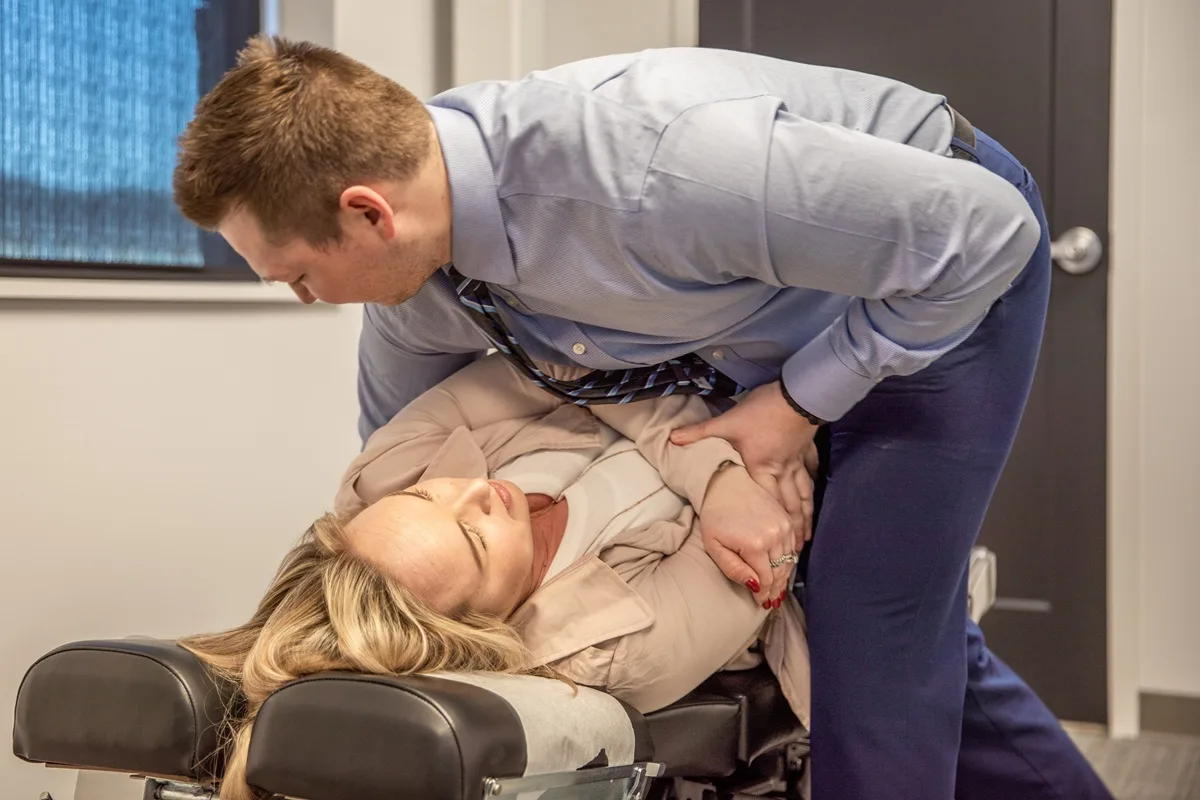
Many people wait too long before seeking care, hoping the pain will resolve on its own. While some minor muscle soreness does go away with rest, persistent or recurring shoulder pain is a signal that something needs attention. A good general guideline is that if shoulder pain has been present for more than one to two weeks, or if it is interfering with sleep, work, or daily activities, it’s time to get an evaluation.
You should also seek care if you notice pain that radiates down the arm, numbness or tingling in the hand or fingers, significant weakness when lifting or rotating the arm, or pain that worsens at night. These symptoms may indicate nerve involvement or a more complex issue that warrants a thorough assessment.
There are also red flag symptoms that should prompt you to seek emergency or urgent medical care right away — not chiropractic care. These include sudden, severe shoulder and chest pain together (which could indicate a cardiac event), a shoulder that appears visibly deformed or dislocated, or shoulder pain following significant trauma such as a fall or accident. In these situations, please seek emergency medical attention immediately.
Shoulder Pain: Common Causes at a Glance
|
Cause |
Primary Symptom |
Common Triggers |
May Respond to Chiropractic? |
|---|---|---|---|
|
Rotator Cuff Injury |
Deep aching, pain with lifting |
Repetitive overhead movement |
Yes — often very well |
|
Shoulder Impingement |
Pain when raising arm |
Poor posture, rounded shoulders |
Yes — posture correction is key |
|
Frozen Shoulder |
Progressive stiffness and pain |
Immobilization, age, systemic conditions |
Yes — gentle mobilization may help |
|
Bursitis |
Tenderness, pain overhead |
Repetitive motion, direct trauma |
Yes — as part of broader care |
|
Cervical Referred Pain |
Shoulder and arm pain, tingling |
Spinal misalignment, disc compression |
Yes — cervical adjustment often central |
|
AC Joint Sprain |
Top-of-shoulder pain, possible bump |
Falls, contact sports, heavy lifting |
Yes — for mild to moderate cases |
Myths vs. Facts About Shoulder Pain
Myth: Shoulder pain always means a rotator cuff tear.
Fact: While rotator cuff problems are common, shoulder pain has many possible causes — including bursitis, impingement, cervical spine issues, and postural dysfunction. A proper evaluation is necessary to identify the true source of pain. Assuming the worst without an assessment often leads to unnecessary anxiety and delayed care.
Myth: Rest is always the best treatment for shoulder pain.
Fact: Prolonged rest can actually worsen certain shoulder conditions, particularly frozen shoulder and postural-related pain. Gentle, guided movement is often a key part of recovery. The goal is appropriate activity modification — not complete avoidance of movement.
Myth: If the pain is in the shoulder, the problem must be in the shoulder.
Fact: Referred pain from the cervical spine is a well-recognized phenomenon. Nerve irritation at the neck level can produce pain, tingling, and weakness in the shoulder and arm without any structural problem in the shoulder itself. A chiropractic evaluation that includes the spine is essential for accurate assessment.
Myth: Shoulder pain is just a normal part of aging that you have to live with.
Fact: While the risk of certain shoulder conditions does increase with age, shoulder pain is not something you simply have to accept. Many people experience significant improvement with conservative care, exercise, and appropriate lifestyle modifications at any age.
Myth: Chiropractic care is only for back and neck pain.
Fact: Chiropractors are trained to evaluate and care for the entire musculoskeletal system, including the shoulder, elbow, wrist, hip, and knee. Chiropractic care for shoulder conditions is well within the scope of practice and is something the team at Optimal Chiropractic addresses regularly.
Final Thoughts from Optimal Chiropractic
Shoulder pain doesn’t have to be something you just push through or put up with. Understanding what’s behind it is the first and most important step toward real, lasting improvement. Whether your pain stems from a rotator cuff issue, postural imbalance, a cervical spine problem, or something else entirely, there is almost always a path forward that doesn’t have to involve surgery or long-term medication use.
Here in West Fargo, ND, Dr. Andrew Jahner and Dr. Nicholas Barney at Optimal Chiropractic are committed to helping members of our community get back to feeling their best. The approach here is always thorough, individualized, and focused on finding the root cause — not just masking symptoms. If you’ve been dealing with shoulder pain and aren’t sure where to turn, a chiropractic evaluation is a great place to start. You deserve to feel good, move freely, and live the life you want to live.
Frequently Asked Questions
Can a chiropractor help with shoulder pain?
Yes, chiropractic care is commonly used to address musculoskeletal shoulder pain. Chiropractors assess the shoulder, cervical spine, and thoracic spine to identify contributing factors and develop a care plan that may include adjustments, soft tissue work, and rehabilitative guidance. Results vary by individual and condition.
How long does shoulder pain usually last?
The duration of shoulder pain depends on the underlying cause and how it is managed. Minor muscle strains may resolve within a week or two, while conditions like frozen shoulder can last many months. Early evaluation and appropriate care tend to support faster recovery.
Is shoulder pain ever caused by the neck?
Yes, this is more common than many people expect. The nerves that travel to the shoulder originate in the cervical spine. When those nerves become irritated or compressed due to spinal dysfunction, pain can radiate into the shoulder and arm — a pattern known as referred pain.
Should I apply heat or ice to a sore shoulder?
Generally, ice is recommended for acute injuries or flare-ups where there is swelling and inflammation, while heat may be more appropriate for chronic stiffness and muscle tension. However, individual cases vary, and it’s always a good idea to ask your chiropractor what is most appropriate for your specific situation.
What lifestyle habits contribute most to shoulder pain?
Prolonged sitting with poor posture, repetitive overhead movements, sleeping on the same side consistently, and lack of movement throughout the day are among the most common lifestyle contributors to shoulder pain. Small, consistent changes to daily habits can make a meaningful difference over time.
When is shoulder pain a medical emergency?
Shoulder pain accompanied by chest pain, shortness of breath, or sweating may indicate a cardiac event and requires immediate emergency care. A visibly deformed shoulder after trauma or sudden severe weakness also warrants urgent medical attention rather than a chiropractic visit.
TL;DR Summary
-
Shoulder pain has many possible causes, including rotator cuff injuries, impingement, bursitis, frozen shoulder, AC joint sprains, and referred pain from the cervical spine.
-
Poor posture and repetitive movement habits are major contributors to shoulder problems in everyday life.
-
Chiropractic care offers a non-invasive, whole-body approach to evaluating and managing shoulder pain — including assessment of the spine, not just the shoulder itself.
-
At Optimal Chiropractic in West Fargo, ND, Dr. Andrew Jahner and Dr. Nicholas Barney provide individualized care aimed at finding the root cause of shoulder pain.
-
Shoulder pain that persists beyond one to two weeks, disrupts sleep, or involves radiating arm symptoms warrants a professional evaluation sooner rather than later.