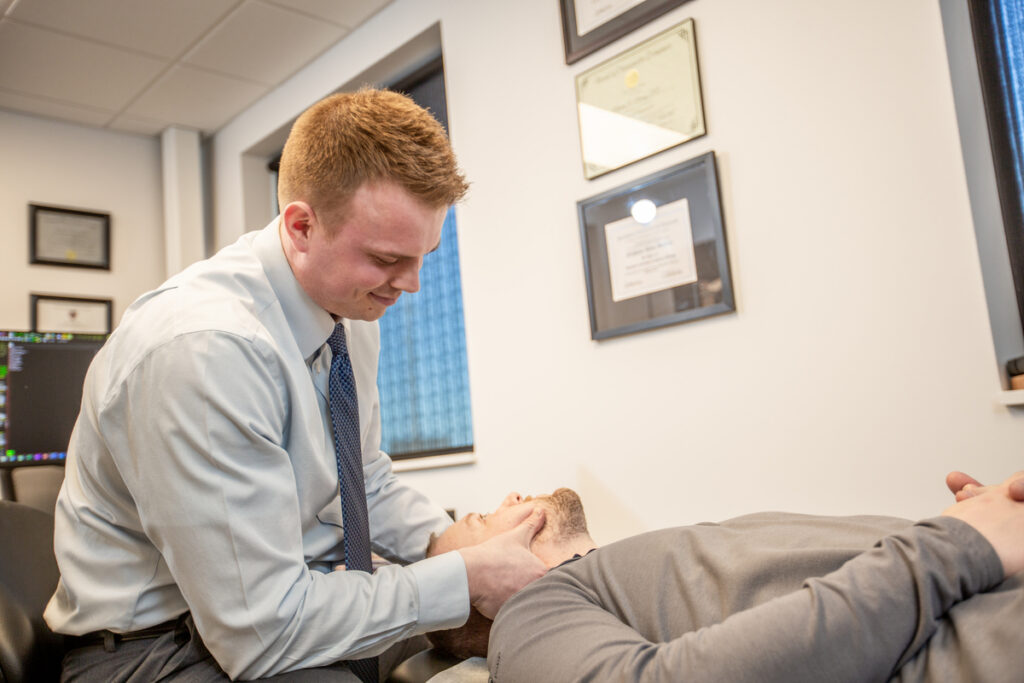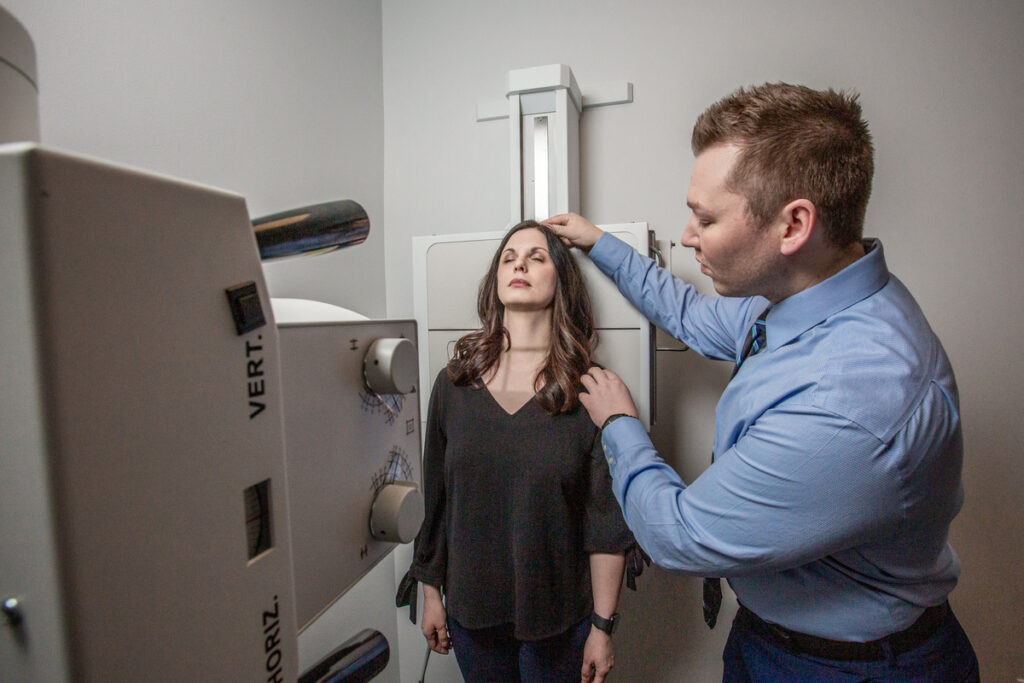
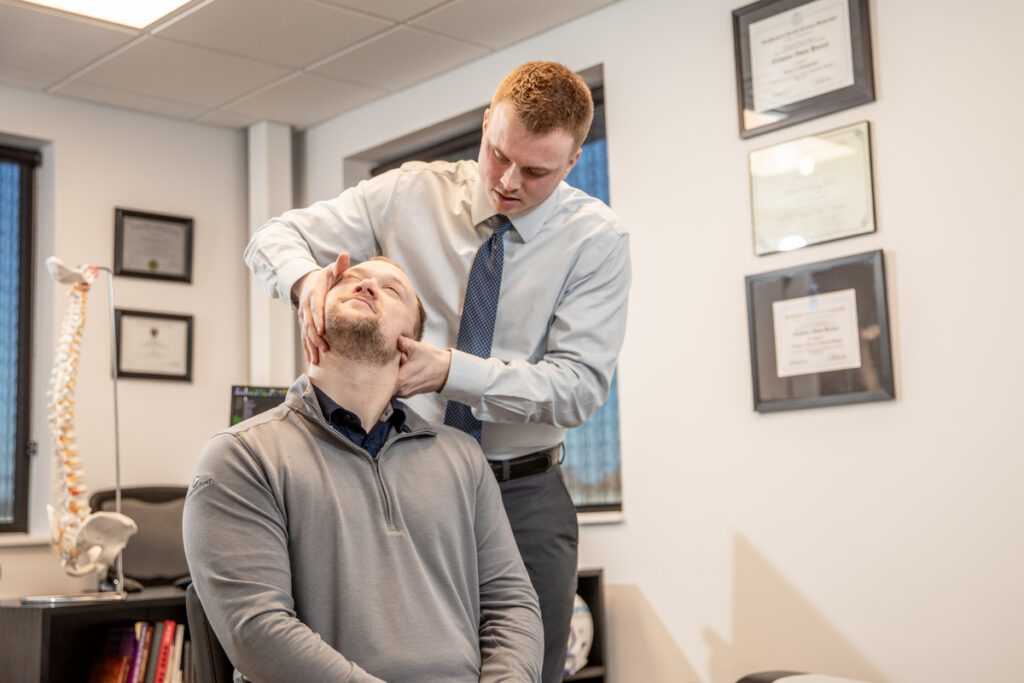
Whiplash is one of those injuries that catches people completely off guard. One moment you’re stopped at a light, and the next, your neck has been violently snapped forward and backward in a fraction of a second. Many people assume they just need to rest it off, take some over-the-counter pain relievers, and wait it out. But here in West Fargo, ND, we see patients regularly who tried exactly that — and found themselves still struggling weeks or months later. The truth is, how you respond to whiplash in those early days can make a significant difference in how quickly and fully you recover. Chiropractic care, when appropriate, may offer a meaningful advantage over rest alone.
What Is Whiplash?
Whiplash is a soft tissue injury to the neck caused by a rapid, forceful back-and-forth motion of the head — most commonly from rear-end car accidents, but also from sports collisions, falls, or other sudden impacts. It affects the muscles, ligaments, joints, and nerves of the cervical spine, and symptoms can range from mild stiffness to debilitating neck pain and headaches.
What Happens to Your Neck During Whiplash
To understand why whiplash can linger, it helps to picture what actually happens during the injury. When your car is struck from behind, your torso is pushed forward by the seat while your head — temporarily left behind by momentum — snaps backward into extension. Then, as your body rebounds, your head whips forward into flexion. This entire sequence can happen in less than half a second.
During that split second, the soft tissues of your cervical spine are stretched well beyond their normal range of motion. Muscles can tear microscopically, ligaments can become overstretched or sprained, and the small joints along the back of your vertebrae — called facet joints — can become irritated or compressed. In some cases, the discs between vertebrae are also affected. Your nervous system responds immediately with inflammation and muscle guarding, which is part of why the pain and stiffness often intensify in the 24 to 72 hours after the collision rather than right away.
It’s also worth noting that whiplash doesn’t only happen in high-speed crashes. Research suggests that low-speed rear-end impacts — even those that cause minimal vehicle damage — can still generate enough force to cause this type of cervical injury. That’s something we hear often from patients at Optimal Chiropractic in West Fargo who were surprised to have serious symptoms after what seemed like a minor fender-bender.
Why Rest Alone May Not Be Enough
For many years, the standard advice for whiplash was simple: rest, wear a soft cervical collar, and wait for the pain to resolve. That approach has been significantly reconsidered in modern conservative care. Evidence now indicates that prolonged rest and immobilization may actually slow recovery rather than speed it up.
Here’s why. When the neck muscles and joints are not gently moved and rehabilitated, scar tissue can form in a disorganized way within the soft tissues. Joint restrictions can develop and persist. Muscles that are guarding the area out of protection can become chronically tight and weak. Over time, what started as an acute injury can transition into a chronic pain syndrome — sometimes called chronic whiplash-associated disorder — that becomes increasingly difficult to treat.
The National Institute of Neurological Disorders and Stroke and other health organizations recognize that early, active management of whiplash — rather than passive rest — tends to produce better outcomes. This doesn’t mean pushing through severe pain or doing aggressive exercise too soon. It means controlled, progressive movement and treatment guided by a trained professional. That’s where chiropractic care enters the picture in a meaningful way.
How Chiropractic Care May Help with Whiplash Recovery
Chiropractic care focuses on restoring proper movement, alignment, and function to the spine and surrounding structures without surgery or medication. For whiplash specifically, evidence indicates that chiropractic treatment can help address several of the core problems created by the injury.
One of the primary concerns after whiplash is joint restriction — when the vertebrae of the cervical spine lose their normal range of motion due to muscle guarding, swelling, or mechanical changes from the injury. Chiropractic adjustments are designed to restore that motion gently and precisely. When the joints move better, the surrounding muscles tend to relax, nerve irritation can decrease, and the overall healing environment improves.
Soft tissue techniques are also a central part of whiplash care. The chiropractors at Optimal Chiropractic may use myofascial release, instrument-assisted soft tissue mobilization, or manual massage-like approaches to address the muscle and ligament damage that accompanies whiplash. Reducing muscle tension and promoting circulation helps the body do what it’s designed to do — heal.
Research published in outlets like the Journal of Manipulative and Physiological Therapeutics and reviewed through databases like the Cochrane Library has suggested that spinal manipulation and chiropractic care can be beneficial for acute and chronic neck pain — which is consistent with what we see in clinical practice with whiplash patients. While results vary by individual and injury severity, many patients experience meaningful improvement in pain and range of motion with a course of chiropractic treatment.
Watch the short video below to get a better visual sense of how whiplash affects the spine and why targeted care can make a difference in recovery:
What Chiropractic Care Looks Like at Optimal Chiropractic
When a patient comes into Optimal Chiropractic in West Fargo, ND following a whiplash injury, the first step is always a thorough evaluation. Dr. Andrew Jahner and Dr. Nicholas Barney take the time to understand the specifics of the accident, the patient’s current symptoms, and any relevant health history. This isn’t a one-size-fits-all situation — whiplash presents differently in every person depending on their age, fitness level, the direction and force of impact, and whether there were pre-existing conditions.
Dr. Andrew Jahner may assess range of motion, palpate the cervical and upper thoracic spine, and evaluate neurological signs to determine where joint restrictions and soft tissue damage are most significant. Depending on the findings, Dr. Nicholas Barney and Dr. Jahner work together with patients to develop a care plan that’s individualized, realistic, and focused on getting people back to their normal lives as efficiently as possible.
Treatment typically begins with gentle techniques to reduce inflammation and restore initial movement. As healing progresses, more specific adjustments and rehabilitative approaches may be incorporated. Patient education is also an important part of care — understanding what’s happening in your body and what you can do at home to support recovery makes a real difference in outcomes.
Practical Tips for Whiplash Recovery at Home
Chiropractic care works best when it’s complemented by smart self-care habits at home. Here are some evidence-informed recommendations that Dr. Andrew Jahner and Dr. Nicholas Barney commonly share with whiplash patients at Optimal Chiropractic.
Stay gently active. Complete rest is not recommended beyond the first day or two after the injury. Light, controlled neck movements within a pain-free range help maintain circulation, reduce stiffness, and prevent excessive scar tissue formation. Your chiropractor will guide you on what’s appropriate at each stage of healing.
Be thoughtful about your sleeping position. Sleeping on your stomach with your neck rotated for hours is hard on the cervical spine under normal circumstances — after whiplash, it can aggravate your symptoms significantly. A supportive pillow that keeps your neck in a neutral position while sleeping on your back or side is generally a better choice.
Apply ice during the acute phase. In the first 48 to 72 hours after a whiplash injury, ice applied to the neck for 15 to 20 minutes at a time can help manage inflammation. After the acute phase, gentle heat may be more soothing for muscle tension — but talk to your chiropractor about what’s right for your specific situation.
Watch your posture at screens. Many people in West Fargo spend long hours working at computers or looking down at phones. After a whiplash injury, this forward-head posture places extra strain on already-compromised cervical tissues. Adjusting your screen height and taking regular movement breaks can meaningfully reduce that added stress on your neck.
When to See a Chiropractor for Whiplash
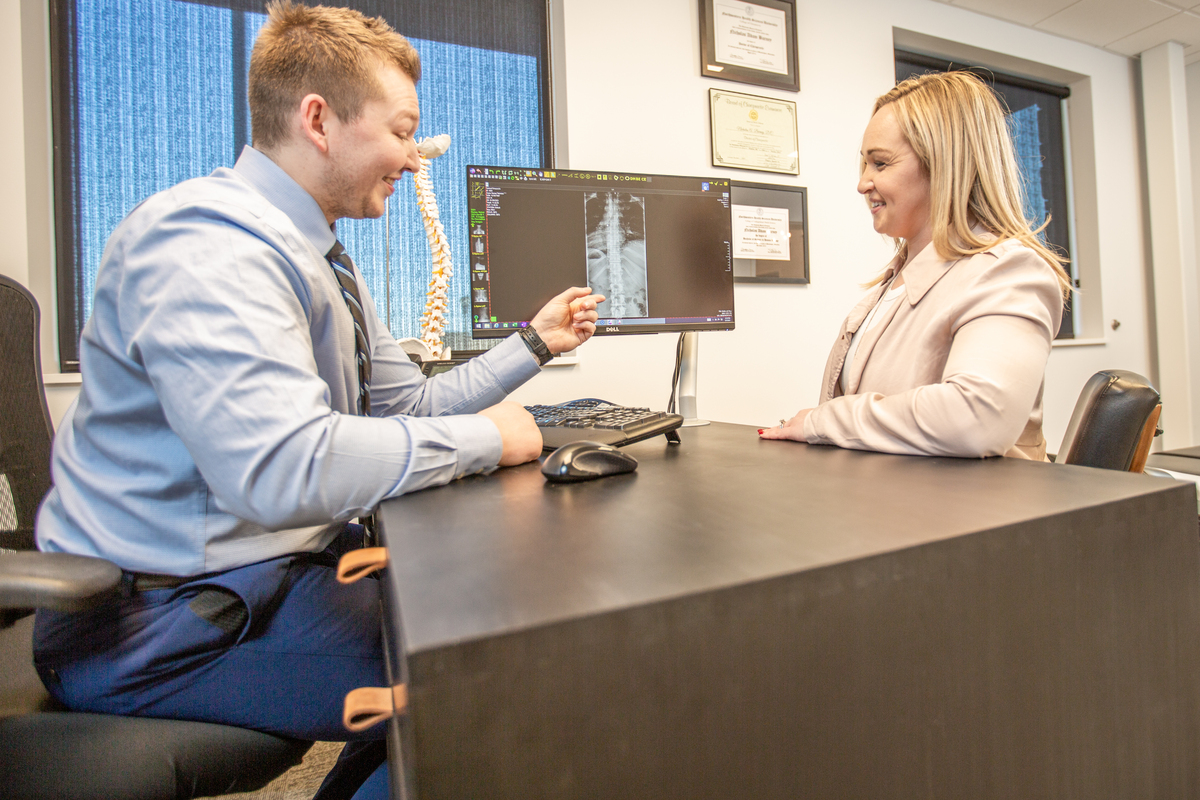
Ideally, you should have your neck evaluated by a chiropractor relatively soon after a whiplash event — even if your symptoms seem minor at first. Because whiplash pain commonly intensifies 24 to 72 hours after the incident, what feels like stiffness today may become significant pain tomorrow. Early evaluation allows Dr. Andrew Jahner or Dr. Nicholas Barney to establish a baseline, rule out concerning findings, and begin care before compensatory patterns have time to set in.
You should consider scheduling an appointment if you experience neck pain or stiffness following any type of collision or sudden head movement, if you’re having headaches that started after the incident, or if you notice pain or tingling that radiates into your shoulders or arms. These are all common whiplash symptoms that chiropractic care can help address.
However, there are situations where you should seek emergency medical care before anything else. If you experience severe or worsening neurological symptoms such as sudden weakness in the arms or legs, loss of bladder or bowel control, or significant difficulty swallowing or breathing after an accident, go to an emergency room immediately. These symptoms can indicate more serious spinal cord or vascular involvement that requires urgent medical evaluation. Chiropractors are trained to recognize these red flags and will always refer appropriately when needed.
Chiropractic Care vs. Rest Alone: A Side-by-Side Look
Factor | Rest Alone | Chiropractic Care |
|---|---|---|
Addresses joint restriction | No — joints may remain restricted without intervention | Yes — adjustments target specific joint mobility |
Soft tissue healing support | Passive only — depends on the body’s natural response | Active — manual techniques promote organized healing |
Risk of scar tissue buildup | Higher with prolonged immobilization | Lower with early, guided movement and treatment |
Patient education included | Generally not structured | Yes — home care, posture, and activity guidance provided |
Individualized care plan | No | Yes — based on exam findings and symptom presentation |
Drug-free approach | Depends — often combined with pain medications | Yes — non-pharmaceutical, non-surgical |
Monitoring of recovery progress | None unless patient seeks care later | Ongoing — adjusted based on patient response |
Myths vs. Facts About Whiplash
Myth: If the accident was minor, the whiplash can’t be serious.
Fact: The severity of vehicle damage does not reliably predict the severity of a whiplash injury. Factors like the angle of impact, the position of the occupant’s head, and the stiffness of the vehicle’s bumper system all play a role. Low-speed collisions can still cause significant cervical soft tissue damage, and symptoms should always be evaluated professionally regardless of how minor the crash appeared.
Myth: You should wear a neck collar and stay completely still to heal faster.
Fact: Current evidence in conservative care strongly suggests that prolonged immobilization — including extended use of soft cervical collars — is not associated with faster or better recovery. Gentle, controlled movement guided by a professional tends to produce better outcomes than strict rest and immobilization in most whiplash cases.
Myth: Whiplash symptoms always show up immediately after the accident.
Fact: It is very common for whiplash symptoms to be delayed. Adrenaline and the body’s initial inflammatory response can mask pain in the immediate aftermath of a collision. Many patients feel relatively okay right after the accident and then experience significant stiffness and pain in the following one to three days. This is normal and does not mean the injury is less real or less serious.
Myth: Chiropractic adjustments are dangerous for a whiplash-injured neck.
Fact: Chiropractic care for whiplash is generally considered safe when delivered by a licensed, trained chiropractor following a proper evaluation. Techniques are chosen and modified based on the individual patient’s condition, and chiropractors are trained to identify situations where adjustments should be modified or avoided. At Optimal Chiropractic, both Dr. Andrew Jahner and Dr. Nicholas Barney prioritize patient safety in every decision.
Myth: Once whiplash pain goes away, you’re fully healed.
Fact: Pain relief is an important milestone, but it doesn’t always mean full structural and functional healing has occurred. Residual joint restrictions or soft tissue changes can persist even after pain has subsided. This is one reason why completing a full course of recommended care — and not stopping prematurely just because symptoms improved — is important for long-term recovery.
Final Thoughts from Optimal Chiropractic
Living in West Fargo, ND means navigating icy roads, busy intersections, and the everyday unpredictability of traffic. Whiplash injuries happen, and when they do, you deserve care that genuinely supports your recovery — not just a recommendation to rest and hope for the best.
At Optimal Chiropractic, Dr. Andrew Jahner and Dr. Nicholas Barney are committed to helping our community understand their injuries, make informed decisions, and access conservative, evidence-informed care that’s tailored to each individual. Whether your whiplash happened yesterday or weeks ago, it’s never too late to get a proper evaluation and understand your options.
Our goal isn’t to scare you or oversell what chiropractic can do. Our goal is simply to make sure you have access to the information and care that gives you the best possible chance of a full, lasting recovery. If you’re dealing with neck pain, stiffness, or headaches after an accident anywhere in the West Fargo area, we’d be glad to help you take the first step toward feeling better.
Frequently Asked Questions
How soon after a whiplash injury should I see a chiropractor?
It’s generally beneficial to be evaluated as soon as possible — ideally within the first few days after the injury. Early assessment allows your chiropractor to identify the extent of damage before compensatory patterns develop and to begin appropriate care during the critical early healing window.
How many chiropractic visits will I need for whiplash?
The number of visits varies significantly based on the severity of the injury, how long symptoms have been present, and how your body responds to care. Mild whiplash may resolve with just a handful of visits, while more significant injuries may require a longer course of treatment. Dr. Andrew Jahner or Dr. Nicholas Barney will give you a realistic estimate after a thorough evaluation.
Can whiplash cause long-term problems if left untreated?
Yes, it can. When whiplash is not properly treated, joint restrictions, chronic muscle tension, and disorganized scar tissue can persist and contribute to long-term neck pain, recurring headaches, and reduced range of motion. Early, active intervention is associated with better long-term outcomes.
Is chiropractic care safe for whiplash if I also have headaches?
Post-whiplash headaches — often called cervicogenic headaches because they originate from the neck — are very common and can respond well to chiropractic care. Your chiropractor will evaluate the nature of your headaches as part of the overall assessment and determine whether chiropractic treatment is appropriate for your specific presentation.
What if my whiplash happened months ago — is chiropractic still helpful?
Chiropractic care can still be beneficial for chronic or subacute whiplash, even when time has passed since the original injury. While early care tends to produce the best results, addressing ongoing joint restrictions and soft tissue dysfunction is still worthwhile at later stages. An evaluation at Optimal Chiropractic in West Fargo can help determine what’s still going on and what’s most likely to help.
Does whiplash only affect the neck?
Not always. While the neck is the primary area of injury, whiplash can also affect the upper back, shoulders, and jaw. Headaches, dizziness, difficulty concentrating, and upper extremity symptoms like arm pain or tingling can all be associated with whiplash-related changes in the cervical spine and nervous system.
TL;DR Summary
Whiplash is a soft tissue injury to the cervical spine caused by rapid head movement, and symptoms often worsen 24 to 72 hours after the incident.
Rest alone is no longer considered the best approach — evidence suggests that early, active management produces better outcomes than prolonged immobilization.
Chiropractic care can help restore joint mobility, reduce soft tissue dysfunction, and support more organized healing after a whiplash injury.
Dr. Andrew Jahner and Dr. Nicholas Barney at Optimal Chiropractic in West Fargo, ND provide individualized, drug-free whiplash care based on thorough evaluation of each patient’s specific needs.
If you’ve experienced a whiplash injury — whether recent or ongoing — getting a professional evaluation sooner rather than later gives you the best chance at a full and lasting recovery.