Can Chiropractic Care Help Sciatica During Pregnancy?
July 20, 2026
Pregnancy is one of the most transformative experiences a person can go through — but it doesn’t come without its physical challenges. One of the most common complaints we hear from expectant mothers here in West Fargo is that deep, shooting pain that travels from the lower back down through the buttocks and into one or both legs. If that sounds familiar, you may be dealing with sciatica during pregnancy. The good news is that you don’t have to simply endure it. Chiropractic care offers a safe, drug-free approach to managing sciatica that many pregnant women find genuinely helpful — Dr. Andrew Jahner and Dr. Nicholas Barney at Optimal Chiropractic in West Fargo, ND is here to walk you through exactly what’s going on and what your options are.
What Is Sciatica During Pregnancy? Sciatica during pregnancy refers to irritation or compression of the sciatic nerve — the longest nerve in the body — that causes pain, numbness, tingling, or weakness radiating from the lower back down through one or both legs. It’s especially common in the second and third trimesters as the body shifts, grows, and adapts to support a developing baby.
Understanding what’s happening in your body makes a world of difference when you’re dealing with pain. During pregnancy, your body undergoes a remarkable series of physical changes — and several of those changes can directly contribute to sciatic nerve irritation.
As your baby grows, your uterus expands and shifts your center of gravity forward. This naturally increases the curve in your lower back, a change known as lumbar lordosis. That increased curvature places additional stress on the lumbar vertebrae and the surrounding muscles, which can compress or irritate the roots of the sciatic nerve as they exit the spine.
Your body also releases a hormone called relaxin during pregnancy. Relaxin loosens the ligaments in the pelvis to prepare the body for childbirth — which is completely normal and necessary. However, increased ligament laxity can lead to pelvic instability, which in turn affects how the sacroiliac joints (the joints connecting the spine to the pelvis) move and align. When those joints become misaligned or dysfunctional, the sciatic nerve can be indirectly affected.
Another common culprit is the piriformis muscle — a small but powerful muscle located deep in the buttocks. As the pelvis shifts and widens during pregnancy, the piriformis can tighten or spasm, pressing directly on the sciatic nerve in a condition sometimes called piriformis syndrome. Many patients at Optimal Chiropractic in West Fargo present with exactly this type of sciatic pain, and it often responds very well to conservative care.
The growing weight of the baby also places more load on the lower spine and pelvis overall, which means the muscles, joints, and nerves in that region are working harder than ever before. When muscle imbalances develop, certain areas become overloaded while others become underused — and that’s often when pain begins.
Recognizing the Symptoms of Sciatica During Pregnancy
Sciatica has a very distinct feel compared to general back pain, though many women experience both simultaneously. Knowing the difference helps you communicate clearly with your care team and get the right kind of help sooner.
The hallmark symptom of sciatica is a radiating pain that starts in the lower back or deep in the buttock and travels down the back of the thigh, sometimes continuing into the calf or foot. It typically affects only one side of the body, though both sides can occasionally be involved. The pain may feel sharp and shooting, like an electric shock, or it may be a persistent dull ache. Some women describe it as a burning or tingling sensation, and others notice weakness or numbness in the leg or foot.
Certain positions or movements often make sciatica worse. Sitting for long periods, standing in one place too long, bending forward, or rolling over in bed can all trigger or intensify the pain. Many pregnant women notice their sciatica flares up at night, which can make getting restful sleep incredibly difficult.
It’s worth noting that not every radiating leg pain during pregnancy is true sciatica. Sometimes pelvic girdle pain or sacroiliac joint dysfunction can produce similar sensations. This is why getting a proper evaluation — like the ones Dr. Andrew Jahner and Dr. Nicholas Barney performs at Optimal Chiropractic — is so important before assuming what’s going on.
One of the most reassuring things about chiropractic care during pregnancy is that it is widely considered safe when performed by a trained, experienced chiropractor. Organizations like the American Chiropractic Association (ACA) recognize chiropractic as a conservative, non-invasive option for managing musculoskeletal pain during pregnancy. Research suggests that chiropractic adjustments may help reduce pain and improve function in pregnant women dealing with low back and pelvic pain.
So what does chiropractic care actually do for sciatica? At its core, a chiropractic adjustment aims to restore proper alignment and movement to the joints of the spine and pelvis. When vertebrae or pelvic joints are not moving as they should, the surrounding nerves — including the sciatic nerve — can become irritated. By gently correcting these misalignments and improving joint mobility, chiropractic care helps reduce the mechanical pressure on the sciatic nerve.
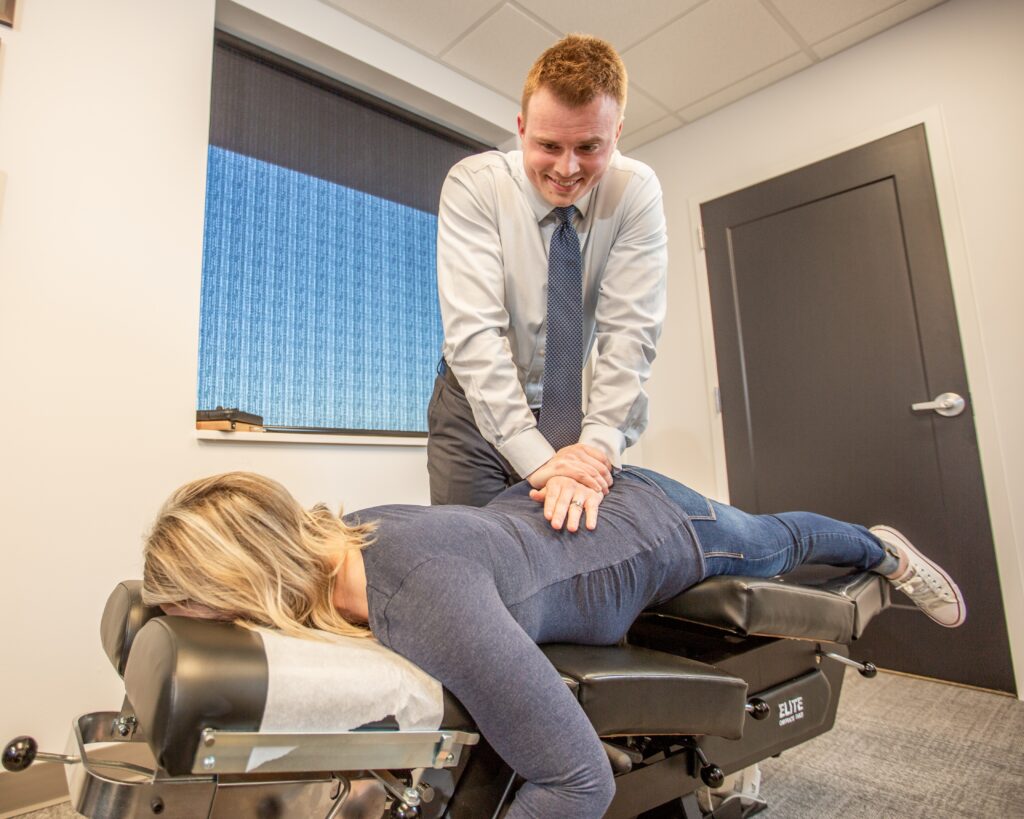
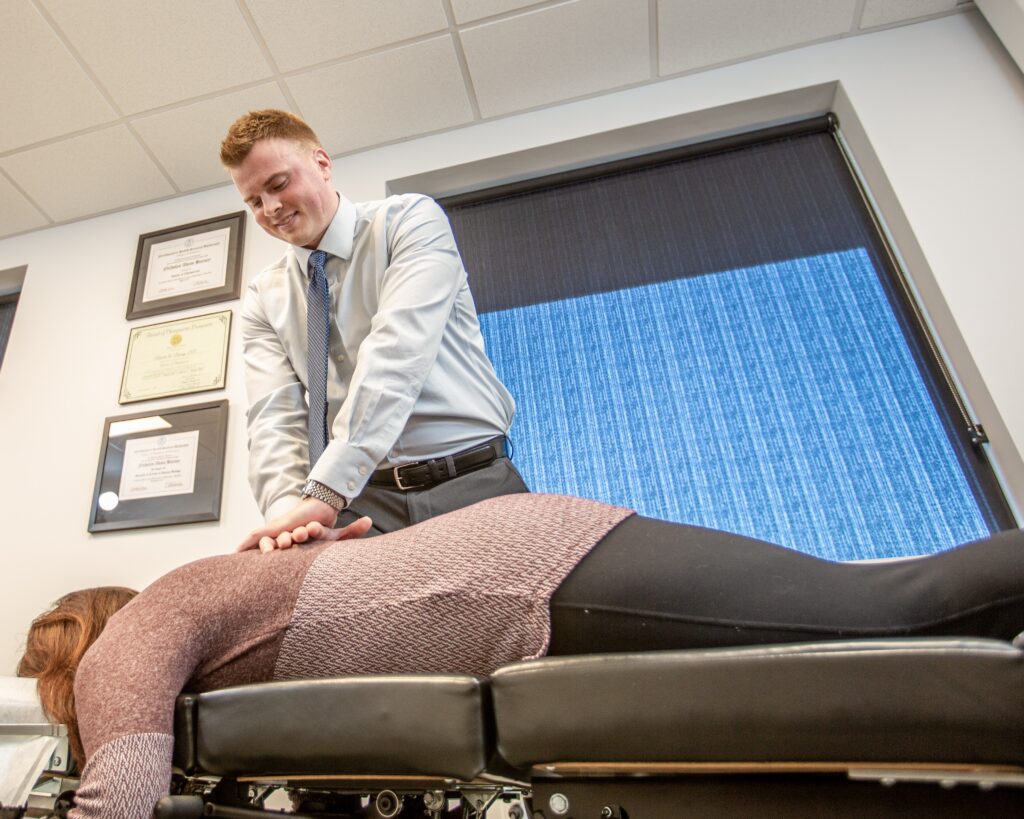
Chiropractors trained in prenatal care, like Dr. Andrew Jahner at Optimal Chiropractic in West Fargo, ND, use modified techniques specifically designed for pregnant patients. These adjustments are gentle and adapted to avoid placing pressure on the abdomen. Many practitioners use special pregnancy pillows or cushions that allow expectant mothers to lie comfortably during their appointments.
Beyond spinal adjustments, chiropractic care during pregnancy may also include soft tissue work to release tension in muscles like the piriformis, as well as guidance on stretching, posture, and body mechanics. This whole-body approach addresses the root causes of sciatic nerve irritation rather than simply masking the pain.
Evidence from the Cochrane Library and other sources indicates that manual therapy can be effective in reducing pregnancy-related low back and pelvic pain. While results vary from person to person, many patients notice meaningful improvement in their comfort and mobility with consistent chiropractic care throughout their pregnancy.
The Webster Technique and Pregnancy
If you’ve done any research on chiropractic care during pregnancy, you may have come across something called the Webster Technique. This is a specific chiropractic analysis and adjustment method developed for use in pregnant patients. It focuses on the sacrum and the surrounding soft tissues of the pelvis, with the goal of reducing sacral subluxation (misalignment) and balancing pelvic muscles and ligaments.
The Webster Technique is not a method for turning a breech baby — it’s important to clarify that. What it does is help optimize pelvic alignment and function, which may contribute to a more comfortable pregnancy overall. Many chiropractors who work extensively with pregnant patients are certified in this technique through the International Chiropractic Pediatric Association (ICPA).
By addressing pelvic balance and sacral alignment, the Webster Technique can help relieve some of the mechanical tension that contributes to sciatic nerve irritation. It’s a gentle, effective, and well-respected approach in prenatal chiropractic care. If you’re curious whether this approach might be right for you, the team at Optimal Chiropractic in West Fargo is happy to discuss your individual situation.
Practical Tips for Managing Sciatica at Home
While regular chiropractic visits are a valuable part of managing sciatica during pregnancy, there are also things you can do between appointments to support your comfort and recovery. These tips are simple, safe, and aligned with what we typically recommend here in West Fargo.
Sleep positioning matters enormously when you have sciatica. Lying on your side with a pillow tucked between your knees helps keep the pelvis in a more neutral alignment and takes pressure off the lower back and sciatic nerve. Most women naturally gravitate toward sleeping on their left side as pregnancy progresses, and that’s generally a good choice for both comfort and circulation.
Gentle movement is almost always better than complete rest for sciatic pain. Short, slow walks help keep the joints of the spine and pelvis mobile without overloading them. Prenatal yoga and gentle stretching — especially stretches that target the piriformis and hip flexors — can provide meaningful relief. Always check with your healthcare provider before starting any new exercise during pregnancy.
Pay close attention to how long you spend in any one position. Sitting for extended periods compresses the lumbar spine and can worsen sciatica significantly. If your work requires prolonged sitting, try to stand and walk briefly every 30 to 45 minutes. Using a supportive chair with good lumbar support also makes a noticeable difference.
Applying a warm compress to the lower back or buttock area can help relax tight muscles and temporarily ease nerve irritation. Avoid ice directly on the abdomen during pregnancy, and always use heat at a comfortable, moderate temperature rather than intense heat.
When to See a Chiropractor for Pregnancy-Related Sciatica
Many women wait far too long before seeking care for sciatic pain during pregnancy, often assuming they just have to push through it. But early intervention typically leads to better outcomes. If you’re experiencing radiating leg pain, persistent lower back pain, or numbness and tingling in your legs that has lasted more than a few days, it’s a good time to schedule an evaluation.
You don’t need to be in severe pain to benefit from chiropractic care. Even mild but nagging sciatica can interfere with sleep, daily activities, and your overall well-being during pregnancy. Addressing it early can prevent it from worsening as your pregnancy progresses and your baby continues to grow.
However, there are certain symptoms that should prompt you to seek medical attention right away rather than waiting for a chiropractic appointment. These include sudden, severe pain that is completely debilitating, loss of bladder or bowel control, significant leg weakness, or any neurological symptoms that come on rapidly. These are red flags that require immediate evaluation by a medical doctor or emergency care provider.
For the majority of pregnant women experiencing typical sciatica — the aching, radiating, annoying kind — chiropractic care is a safe and appropriate first step. Dr. Andrew Jahner or Dr. Nicholas Barney at Optimal Chiropractic is experienced in evaluating and supporting pregnant patients through exactly this kind of challenge.
Sciatica Triggers vs. Aggravating Factors During Pregnancy
Myth: Sciatica during pregnancy is just something you have to accept and live with.
Fact: While some degree of discomfort during pregnancy is normal, significant sciatic pain is not something you simply have to endure. Conservative care options — including chiropractic — are available and have been shown to help many women find meaningful relief without medication or invasive procedures.
Myth: Chiropractic adjustments are dangerous during pregnancy.
Fact: When performed by a trained chiropractor experienced in prenatal care, chiropractic adjustments are widely considered safe throughout pregnancy. Techniques are modified to avoid pressure on the abdomen, and adjustments are gentler and more carefully tailored to the needs of an expectant mother.
Myth: The sciatic pain will automatically go away after delivery.
Fact: For some women, sciatica does resolve after childbirth as the body returns to its pre-pregnancy state. However, this isn’t guaranteed. Postpartum hormonal changes, new postural demands from nursing and carrying a newborn, and core muscle weakness after delivery can all keep sciatic pain going. Continued or postpartum chiropractic care is often beneficial.
Myth: Only women in their third trimester get pregnancy-related sciatica.
Fact: While sciatica is more common later in pregnancy due to the added weight and pelvic changes, it can develop as early as the second trimester — and occasionally even the first trimester in women with pre-existing spinal conditions.
Myth: Rest is the best treatment for sciatica during pregnancy.
Fact: Complete bed rest is generally not recommended for sciatica. Gentle movement, appropriate stretching, and targeted care like chiropractic adjustments tend to produce better outcomes than prolonged rest, which can actually lead to muscle deconditioning and worsen the problem over time.
Final Thoughts from Optimal Chiropractic in West Fargo
Pregnancy should be a time of excitement and connection — not one spent dreading every step because of shooting nerve pain. If you’re dealing with sciatica during your pregnancy here in West Fargo, ND, please know that help is available, and you don’t have to white-knuckle your way through it.
At Optimal Chiropractic, Dr. Andrew Jahner and Dr. Nicholas Barney takes a thoughtful, individualized approach to prenatal care. Every pregnancy is different, and every patient deserves an evaluation that considers her specific anatomy, lifestyle, and stage of pregnancy. The goal is never to apply a one-size-fits-all solution — it’s to understand what’s driving your discomfort and address it in the gentlest, most effective way possible.
Our team genuinely cares about the West Fargo community and the families we get to support through major life moments like pregnancy. Whether you’re early in your first trimester or days away from your due date, it’s never too early or too late to explore whether chiropractic care might help you feel better and move more comfortably. We’d be honored to be part of your pregnancy journey.
Frequently Asked Questions
Is it safe to see a chiropractor while pregnant?
Yes, chiropractic care during pregnancy is generally considered safe when provided by a chiropractor trained in prenatal techniques. Modified approaches are used to avoid pressure on the abdomen, and adjustments are tailored to the changing needs of a pregnant body. Always inform your OB or midwife that you’re seeking chiropractic care as part of your prenatal wellness plan.
How many chiropractic visits will I need for pregnancy sciatica?
The number of visits varies depending on the severity of your symptoms, how far along you are in your pregnancy, and how your body responds to care. Some patients notice improvement within just a few sessions, while others benefit from ongoing support throughout their pregnancy. Dr. Andrew Jahner and/or Dr. Nicholas Barney will assess your individual situation and recommend an appropriate care plan.
Can chiropractic care during pregnancy harm the baby?
When performed by a qualified, experienced chiropractor, chiropractic care is not known to harm the developing baby. Adjustments are specifically modified for pregnant patients — no force is applied to the abdomen, and positioning is carefully managed throughout the visit.
What is the difference between sciatica and pelvic girdle pain during pregnancy?
Both conditions can cause radiating discomfort in the lower body, but they have different origins. True sciatica involves compression or irritation of the sciatic nerve originating in the lumbar spine, while pelvic girdle pain is related to dysfunction in the sacroiliac joints and surrounding structures. A thorough chiropractic evaluation can help differentiate between the two so you receive the most targeted care.
Can sciatica start early in pregnancy?
Yes, though it’s more common in the second and third trimesters, sciatica can develop earlier — especially in women who had pre-existing low back issues before becoming pregnant. The hormonal and postural changes of early pregnancy can be enough to trigger or worsen sciatic nerve irritation in some cases.
Should I continue chiropractic care after giving birth if I still have sciatica?
Postpartum chiropractic care can be very beneficial for women whose sciatica persists after delivery. The body continues to undergo significant changes after childbirth, and new physical demands — like nursing posture and carrying a newborn — can contribute to ongoing spinal and pelvic issues. Continuing care can support a smoother postpartum recovery.
TL;DR Summary
Sciatica during pregnancy is caused by sciatic nerve irritation related to pelvic misalignment, increased lumbar curvature, piriformis tightness, and the hormone relaxin loosening ligaments.
Symptoms include radiating pain, tingling, or numbness from the lower back down through the buttock and leg — usually on one side.
Chiropractic care is widely considered safe during pregnancy and may help reduce sciatic nerve irritation through gentle spinal and pelvic adjustments.
Practical home strategies like side-sleeping with a knee pillow, gentle movement, and avoiding prolonged sitting can complement chiropractic care.
Dr. Andrew Jahner at Optimal Chiropractic in West Fargo, ND offers individualized prenatal chiropractic care to help expectant mothers move more comfortably throughout their pregnancy.
Think sitting less will fix your back pain? It’s not that simple. Learn what’s really causing your discomfort and how to find lasting relief in West Fargo, ND.
Considering spinal decompression for back pain or sciatica? Learn what patients need to know before starting treatment and whether it’s worth the investment.
Pediatric chiropractic care helps kids manage back-to-school stress from heavy backpacks, desk sitting, and sports. Keep your child healthy and focused.
Dr. Barney and his team are ABSOLUTELY AMAZING! :D
Always greeted with a pleasant smile and incredible professionalism. Dr. Barney always takes the time and care to not only address your medical needs as a patient, but to know you as a person.
This review is long overdue. I packed and moved myself in a Uhaul cross country three years ago. Needless to say, when I arrived, my back was trashed. I called the office on a chance, and they had me in within 15 minutes to start my healing. I have been a satisfied patient for years now!
Thanks,
Bob S.
I had my first appointment, and afterwards I wanted to cry from the relief I felt just after the little bit of work that was done at the first visit. I have been in pain for over a year and I'm so thankful to have found Optimal Chiropractic.
Everyone here is amazing. The care I receive is specific to me and it’s always helpful. I highly recommend Dr. Andrew and his entire staff at Optimal Chiropractic.
I was referred here by a long time customer and wow! The staff are very friendly and Dr. B is very knowledgeable. He made me feel comfortable and explained the entire process before we began. 10/10, cannot recommend this place enough
This was my first time here. An awesome facility and super friendly staff from the moment I walked through the doors I felt welcomed. Dr. Andrew listened to all my concerns and addressed them accordingly. Looking forward to my next visit to continue on my feeling better journey.
All of the staff are professional and polite. I am always in and out right away. My health is much better since beginning regular chiropractic care here. I highly recommend Dr. Andrew.
Long overdue review, absolutely exceptional establishment and service. Been seeing Dr. Andrew since October 2024 and every visit has been fantastic. The friendliest and most professional staff in town. Very highly recommend.
I have been to not so great chiropractors before and it kind of made me hesitate about going back. But my neck pain / back pain became unbearable. Optimal Chiropractic and Dr. Andrew was very detail orientated about what was happening and what was going on! It was ease and non stressful! 5/5 Stars 🌟🌟🌟🌟🌟!
What a difference an adjustment and a good laugh makes... Just say I enjoyed every moment of my time at Optimal Chiropractic.
Chiropractic services should be added to your self-care list. I am very pleased with my experience at Optimal Chiropractic. Dr. B, took the time to explain what I needed ensure that my treatment plan was tailored for my current needs as well as preventative measures for the future.
The office is very beautiful and the staff was very friendly. I woke up this morning refreshed and could feel the difference in those areas that we're adjustment. THANK YOU SO MUCH for the adjustment and laugh, Dr. B.
Great staff, they get you in right away. Dr Barney or Dr Andrew get you adjusted & back to your daily regiment. I have seen numerous Chiropractors over the years & would recommend to try Optimal Chiropractic! They are the BEST!!!
Absolutely amazing place, has made me feel welcomed and understood. I've been dealing with chronic back pain since 1st grade, made me feel heard and help me understand why my back may be feeling like this & offering solutions. Been going for a few months, and doing spinal decompression therapy, it's given me path to feeling better, stronger, and to manage pain thats been unchecked for so long and glossed over by many doctors and other chiropractor. Definitely recommend this place for anyone dealing with any sort of pain, I am confident they will try there best to help you in any way they can.
Dr. Barney and his staff are AMAZING! After the first initial consultation, Dr. Barney knew exactly what was bothering me by my symptoms. An X-ray was taken and I was shown what was causing the pain in my upper back/neck area. After a few rounds of treatments, I was feeling relief. Woke up the next morning feeling so much better! I have a Spinal Decompression session today and looking so forward to that visit! I highly recommend Optimal Chiropractic!
I just had my first appt with Dr.Andrew Jahner, and I couldn't be more pleased. The first thing he did was take an x-ray, so he could see what was causing me pain. And I had been to 2 different chiropractors this past year, and neither took x-rays. And looking back, neither of them really focused on what the issue really is.
After talking to Dr.Jahner, I know it isn't going to be fixed right away, but he has a plan to get me as comfortable as I can be.
The ladies at the front desk were super nice also. Im so glad I went to Optimal Chiropractic.
Had my first appointment today and the experience was quick and the care was amazing. I am greatly looking forward to continuing my care plan and getting back to feeling normal and pain free again.
What an awesome session!! Was above what I expected it to be and good service all round! Thank you sooo much and I will be back as soon as I have time again.
The best chiropractor in town! Dr Andrew has taken care of me and my husband very very good! I love how everyone treats us since the moment we walked in the clinic.
Very nice office with modern technology, friendly staff, and thorough doctors! Dr. Andrew was very professional and knowledgeable! Would highly recommend to anyone seeking a chiropractor. I’ll be back!
They are the best. Chiropractors and reception staff are all amazing! Been going for 5 years now. Would never wanna go anywhere else! Great with the kiddo too!
Always welcomes my family and I with warm smiles! The New location is beautiful and fits the team’s amazing upbeat attitude! Very happy to be treated by them for years!
Dr Barney is by far the best Dr we've had. We have been going here for over 6yrs and they never stop making you feel welcome and appreciated. I had migraines for yrs before that. My 8yr old daughter has been seen here since she was 3 and she still squeals in excitement on chiropractor days.
I've been going here for over a year, and it's been so helpful! Started out with the decompression machine, but have been coming back for adjustments since!
My daughter and I have been going to Dr Barney for about 7 years. He’s the best. The staff is so friendly. And I love that I can call and ask to be seen in 20 minutes and they always say yes! And I feel so much better every time I leave.
Optimal has the best staff! Everyone is so friendly and they make it so easy to get on their calendar. My husband and I started seeing Dr. Andrew for regular adjustments last year, he has always been so caring and made it easy to understand the process of maintaining our spinal health. We always leave their office feeling better than when we arrived!
Optimal chiropractic is hands down the best chiropractor in town! Anytime I get the chance to recommend it I do! Dr Barney and his staff are amazing, and so good to work with!!
Very warm and amazing greeting, wonderful people very knowledgeable and informative personable and great to work with I highly recommend going here you’ll be a whole new person
Just left Optimal Chiropractor, Dr. Barney, my hip and lower back has been bothering me. Warm roller table first, then an adjustment from Dr. Barney I feel so much better. I've referred many people, because I've always had issues with head aches, and lower back and hip pain. I feel awesome....
My first visit to see Dr. Andrew was great! Everyone greeted me with a smile, there was no waiting around and I learned a lot about my spine and could see from the xrays how the misalignment in my neck vertebrae is causing my pain.
The staff when I walked in were very welcoming. They got me in very quickly. The dr. Did a phenomenal job explaining to me what was going on with my neck and what the plan is.
I trust this chiropractor. I made an appointment with him already to come back because he helped me immediately and accurately.
Thank you to all of the staff here at optimal chiropractic.
Also when I asked for information about what he was telling me about his staff got that to me quickly as well.♥️
This was my first visit. I was able to book an appt online as well as fill out my history. Was greeted warmly by the receptionist. Almost no wait time to being taken back to meet Dr Andrew. He took some additional info as to why i was there. He took xrays to see how my spine looked. Was put on a bed that rolled along my back loosening it up before he adjusted me. Adjustment went fantastic and I feel much better. I will be returning to see him. Thank you
I have returned multiple times for adjustments.
Very Friendly, polite and caring staff and I would recommend this chiropractic place to anyone! Dr Barney is amazing! He is helping me get back to where I need to be !
Dr.Barney and staff were so amazing on answering questions and helping find the right path to being pain free! Beautiful facility and very professional! Highly recommend Optimal Chiropractic!
From the second you walk in the door the staff is extremely helpful & point you in the right direction. Dr.Barney & his staff are not only knowledgeable but totally transparent about the care plan that works best for you. 100% recommend.
Optimal has by far been the best chiropractor I have been too, and I have been to alot of different ones. I had a spinal issue a few years back during my active addiction to heroin, causing me to need continuous chiropractic care and I can confidently say that these guys are the best 10/10.
These guys make appointments so easy and fast! I feel taller and more relaxed after every visit, and I couldn’t recommend anyone more. Friendly and courteous!
I have never been to a chiropractor in my life. It always makes me nervous to try something new. However, the staff was super nice and made me feel very welcome. Dr. Barney was very thorough in explaining chiropractic care and stopped to ask if I had any questions several time. It was a very pleasant experience with very pleasant staff. 10 out of 10 would recommend!
Where do I start….
I love that they can be flexible! I was scheduled to come in around 5:00 pm, however I came down with a migraine and text them to see if I could come in the morning instead. It of course was not a problem and as always they greet you by your first name and always a big smile.
Dr. Barney is wonderful in the fact that he listens to you and any issues or concerns you might be having. The relief that I get after being adjusted is the best.
My week consists of sit behind a desk over half the day, lifting weights and working out 6 days a week, plus teach hot sculpt 1-2 days a week.
This has been a game changer going to see them once a month. Not only to help me when I’m tight and having issues but to also help prevent migraines.
Thanks 😊
Optimal Chiropractic is an excellent place for immediate and lasting relief . Dr Andrew and the staff are really awesome people and it’s always a great experience ..
The office was beautifully decorated and clean. The staff were friendly and helpful from start to finish. Dr. Andrew made my son and I feel comfortable and valued as patients, which is hard to come by now days. He was very informative on the how’s and why’s in a very easy to understand way. After just one visit Optimal Chiropractic and Dr. Andrew have patients for life. Will recommend to everyone I know! Thank you Dr. Andrew and Optimal Chiropractic
DR. Andrew Jahner was fantastic and all the nurses and front desk people. All are knowledgeable and awesome personality's. I highly recommend Optimal Chiropractic!
Great staff, everybody is friendly and welcoming. I have don’t spinal decompression and adjustments and no longer have the back pain I had when I first went in there. Would recommend them to my friends, family or even someone I’ve just met who is looking to get relief.
Dr. Nicholas Barney and his staff are absoamazing. He helps me, my husband and our four kiddos. They are so kind, caring, always greets you with a smile, and ready to help you the second you step in the door. I absolutely 💯 % ×'s infinity recommend!
I really would love going to chiropractor, personally would like 15 more mins. Just to see if there is some exercise or something else I could be doing with chiropractor care. That is just me personally I feel like to short and not enough time. But I know it’s not everyone cup of tea either.
The girls up front are amazing always smiling and friendly greeting when you walk in and when you leave…. Dr. Andrew is awesome always smiling and friendly very professional and caring and able to get the job done I would recommend them over any other chiropractor I’ve ever been to. 10/10
Throughout the years I've visited different Chiropractors, but Optimal Chiropractor will definitely be my go to from this point forward. I was immediately greeted from the moment I walked in the door, and Dr Jahner was incredible to work with! The whole experience was top notch. I would highly recommend going to visit Optimal, and see what you've been missing out on!
Optimal Chiropractic is fantastic! Dr. Barney is professional, kind, and thorough. The staff is friendly, and I felt better after just a few visits. Highly recommend!
Our family loves Optimal Chiropractic! They have taken such great care of my husband, me and now they take gentle care of our two little boys ❤️ I found their chiropractic care so helpful during pregnancy and after. It also helped both our boys with tummy time, gas, and overall well being. I always recommend chiropractic care to all of my mom friends and their new babes. You're in good hands here!
Been seeing Dr. Andrew for a couple years now and have had a great experience and quality of care. I’m a 30yr F with early arthritis in my lower back and going to my routine appointments has helped me a lot. Staff is also so nice and they are very accommodating with my sporadic schedule. I highly recommend Optimal Chiropractic!
My favorite chiropractor in the FM area. Dr. Barney and the rest of the optimal chiropractic team are amazing. I don’t know how they do it but they get to know everyone and always have a smile on their faces. Great customer service and flexible with my busy schedule.
Dr Barney and his team are always pleasant, smiling faces when you arrive. Dr Barney really listens to what you have to say and adjusts his care plan accordingly. Recommend Optimal to anyone looking for chiropractic care.
I am honestly so grateful for the service I received. I am in town for work and simply bent down to pick up laundry and something popped in my back. I could barely walk. I called two places next to the hotel and no answer. Optimal allowed me to book the same day, got in, got adjusted and then when I went to pay they comped it for a promotion they are having! Clean, efficient and very professional. I can walk better now but will definitely be going back again tomorrow before I leave town. Thank you so much.
This place is wonderful! When you walk in, you will notice how aesthetically pleasing the office is, with clean lines and simple, fresh decor, allowing for plenty of space for patients.
I have never had to sit in the waiting area, as I’m greeted and taken care of right away.
Dr. AJ always greets me with a smile, remembers my concerns, and adjusts his treatment plan according to my needs.
The scheduling is flexible, and I’ve been able to book my appointments any time I need during their office hours.
Best chiropractic care I’ve ever received!
Stopped in on my way through town needing an alignment. They took me in as soon as I got there as a walk in. Really nice facility, staff was super friendly, Dr was knowledgeable and very professional. Had me aligned and on my way in no time. Glad I chose them. Will definitely use these guys if I'm ever in the area needing some body work! 😬
I was in so much neck pain that it was causing the worst migraines I have ever experienced. ONE trip to this office and an adjustment I felt so much better. I actually slept for the first time in almost 2 weeks. I cannot wait to continue my healthly mind and body venture there!
I have been seeing them for a year and I am much happier on a daily being able to get adjusted every two weeks. Their staff is so nice friendly quick and efficient!
Since Friday, I had an adjustment with Andrew I am a 63 year-old male best sleep. I have had in months Friday night Saturday night Sunday night went back again. Today had an adjustment and I feel fantastic.
Professional and punctual service. The staff were very pleasant and made the appointment flow effortlessly. Dr. Barney was personable and efficient. The facility was welcoming and comfortable. All around great!
It's an excellent experience every time I visit Dr Andrew Jahner at Optimal Chiropractic. Back and neck adjustments and a series of vertigo treatments have made me a new person! Friendly, fast, effective.
I highly recommend them! Very professional clean and nice! I like that he took x rays of my back being I have a fused neck. Explained everything. Pice is also reasonable.
Super friendly and helpful staff! Dr Harvey did a great job. He is professional and straight forward, very refreshing. Due to this I will be returning for maintenance care. Thank you
Not gonna lie, I’ve never been to a chiropractor before….the thought actually scared me. Had my first visit today and I was surprised by the time the doctor took to explain things to me before he did anything. I highly recommend!
Amazing service. I couldn't walk into the building. They came out to help me and even brought an office chair to wheel me into the building. Unmatched service and care 10 stars!
First time being to the Chiropractor and it was amazing. I am highly satisfied with their customer service and ensuing I feel as welcomed and comfortable as possible. I feel like a whole new person. Thank you all so much!
Our family loves Optimal Chiropractic. We used to live in West Fargo, but moved up to the Northern part of Fargo. We still make time to be seen at Optimal due to how they operate, their friendly staff, and their exceptional availability. I have been seen here by Dr. Barney - he has adjusted me through my entire pregnancy, adjusted my daughter as a baby, and has solely made a difference in my migraine management! We appreciate you guys, a ton, thank you for all you do ❤️
Dr. Nick, Dr. Andrew, and all of their staff are so kind, thoughtful, and professional! I've never had another chiropractic provider that could schedule me in so quickly and easily. I've referred dozens of colleagues and they have all been very pleased!
Well, it's my first time in Fargo and Dr. Andrew explained every detail to me to improve my back and the pain I have and the receptionists are very professional..excellent service
With a busy lifestyle and at times chaotic schedule, it’s great to be able to just “text” at a moments notice for an appointment or even just drop in. The ladies at the desk are always eager to greet anyone coming through to door and Dr Barney seems to remember even the little details about one’s life to check in on. For an appointment that is often only 10 minutes, I love feeling like more than just a number on the patient list.
I've been going here for years! I was hardly able to walk before i started here from a pinched nerve and bulging disk in my back, now I'm in little to no pain at all and have my mobility back! Fully reccomend to anyone looking for a good chiropractor!
Dr. Andrew and the team at Optimal are the best! I always walk out feeling better physically and mentally. Yesterday they squeezed me in for a very last minute appointment. Always very welcoming and gracious. My back is much improved due to their care.
This is a really awesome place. They listen to what you have to say. They are really gentle with what they do. They care about you and you family needs.
Optimal chiropractic is an awesome place to go if you're having back neck leg problems definitely go see them I had pain shooting down my legs and across my lower back been seeing him for a minute and he is really good at what he does I recommend these people to anybody they're great
Love this place. Staff is always happy and greet you with a hello and a smile and your in and out quick. Dr Barney is always happy and willing to listen. Check out is the same way!! Love how they say when can we see you again!! Highly recommend!
As a retired vet, the staff and doctor are extremely appreciative, understanding, comforting, and more important effective in the treatment process. Went into the office in pain and walked out not!
I’ve been to several chiropractors over the past few years, Dr. Barney and the staff at Optimal have a great operation and get me feeling great. Last good season a had a back issue 5 days before a big annual boys trip and Dr. Barney went above and beyond my expectations, I was swing the club at 100% by the first tee time at the golfing trip
Going into Optimal has always been a great experience! The front desk ladies are the sweetest people. I see Dr. Andrew and he is the best. He listens to my concerns and areas that are the worst within my back!
Definitely recommend heading into Optimal and get adjusted!
Today was my first appointment. I met with Dr. Barney. He asked a lot of questions and was truly interested in making me feel better. I highly recommend Optimal chiropractic!
I really enjoy how flexible they are with scheduling. Living 20 min away can make it hard to keep up with regular adjustments. When I am in town, I can send a text and get in right away. The massage table before you go to get adjusted is one of my favorite parts of going here. The heat and quick massage loosens my already tense muscles for a nicer adjustment.
Staff were courteous and caring. Dr. Barney was very precise and informative in what was wrong with the areas I was dealing with pain/discomfort. Will be using this chiropractor for when I’m in the West Fargo Area.
I have been coming to Optimal for almost a year now, after being recommended by people from work. I have since recommended them to all my family and friends they love it too. Dr. Barney is absolutely fantastic! Very personable and great at what he does, the staff is always so organized, friendly and helpful. I always leave feeling like a new person. 100/10 would recommend :)
We have been going to Optimal Chiropractic for years now. An everyday our trust in Dr. Andrew and his staff only grows stronger. They always greet with a smile on their face, they are so flexible and understanding! I don’t feel like Dr. Andrew is just our chiropractor but our friend as well. We would trust him with more than just our chiropractor care. Highly recommend his office. Thank you all for all your do!!
I have been coming to see Dr Andrew for over a year. He worked with me to get rid of migraines all together. All of the staff at optimal chiropractic are friendly, kind, and helpful. It is always easy to schedule and a quick appointment. I enjoy coming to my appointments at Optimal and would recommend to anyone!
My family has seen Dr. Andrew for the past 5 years. We look forward to our visits. He has helped eliminate sciatic pain that I have had for years. I absolutely love everything about his practice. The staff are always cheerful and genuinely care about you.
I loved Dr.Barney's warm demeanor and honesty regarding what he can do for me with two total hip replacements and sciatic nerve pain. I am looking forward to the progress ahead.
Awesome first session! Super informative and definitely feel instant relief. Not to mention the most excellent staff! All of the folks here are super inviting, polite and cheery.
Optimal Chiropractic is amazing. The doctors and the staff make you feel like family. They are very accommodating and work with your schedule. Since I started coming to Dr. Barney, I am pain free. If you are in need of Chiropractic services I highly recommend them.
Met with Dr. Barney again today. Traction table, great adjustment, witty banter…. I recommend Optimal Chiropractic to anyone who wants their body to feel better.
This is the best chiropractor I’ve ever been too! They are so friendly & personable. Dr Barney has done so much for my pain & discomfort. They are willing to work around my schedule & to get me in when needed. I would highly recommend going to Optimal for your chiropractic needs!
I highly recommend Optimal Chiropractic! If you're looking for a Doctor that knows his way around the spine, Dr. Barney will keep you aligned. Dr. Barney is personable and truly cares about his patients. The staff is always friendly and welcoming, and their scheduling is convenient and flexible!
Today was my first time back after having my one. I brought her in too for an adjustment. She was smiling up a storm at Dr. Andrew. I feel brand new and my little one seems to be doing so much better after her adjustment! 10/10 recommend optimal chiropractic. All of the receptionists are super friendly and welcoming every time you enter. Always a smiling face and super helpful.
I love being able to make it a quick in and out visit. The heated roller table is a great quality to help the adjustment go smoother. Dr. Andrew is always pleasant to talk with and gets the job done.
1st time going to a chiropractor. I was very impressed of the reception I was given by the staff and Doctor. I felt like they really cared about how they can help me.
Dr. Barney is amazing, and the entire team at Optimal are equally great. This practice is efficient, clean and friendly - and we are always able to be seen same day. They do not push add on sales of product or treatments of any type. Highly recommend!
My husband tweaked his back while moving a couch and could barely walk. Optimal chiropractic was able to see us right away. They took X-rays and identified the issue and treatment plan, loosened up the muscles in a heated roller bed, and then adjusted his back providing him with huge relief! We are now icing as instructed, but the immediate difference was amazing. Super impressed, would highly recommend!
They were able to see me on very short notice. Staff was very friendly. The doctor was knowledgeable and to the point. I look forward to seeing them again.
Wow!! What a friendly group of people. The staff is very knowledgeable and eager to help you out. Everything was so smooth from the time I walked in and left.
This was my first experience with a chiropractor ever. The staff is very friendly and made me feel very comfortable right away. They are also very efficient with what they do! I came in for my first appointment, had an x-ray of my spine and an adjustment all under a half an hour. It is also very easy to schedule appointments and they are very flexible with getting you in as well. My back hasn’t felt this great in a long time so it is definitely worth it!
I had my first appointment today and everything went really well. From the receptionists to the doctors office, everyone was really friendly , welcoming and polite.
Dr Jahner was great , I wasn’t sure what to expect for a first time at a chiropractor and he made that visit very easy and pleasant. He gave me explanations every step of the way.
It is always a great experience at Optimal Chiropractic. From the moment I walk in, all of the staff is friendly, smiling and helpful. They make the check in process very easy. The machine that stretches the back and warms the muscles prior to help get a deeper and longer lasting adjustment. Dr. Barney is amazing. He provides a very friendly and professional atmosphere. I always look forward to my appointments with him because I know I am going to leave my appointment feeling better and more relaxed than when I arrived.
Thank you to the whole Optimal team.
I found Optimal through Tiktok of all places, went in for the consult and have been going weekly ever since. Dr. Barney has been awesome! The numbness in my fingers has improved and being on my feet all day at work is easier with the adjustments I get!
Most friendly environment, great people and the best DRs!! Dr. Andrew is always able to get me in with my busy schedule and able to make me feel my best!