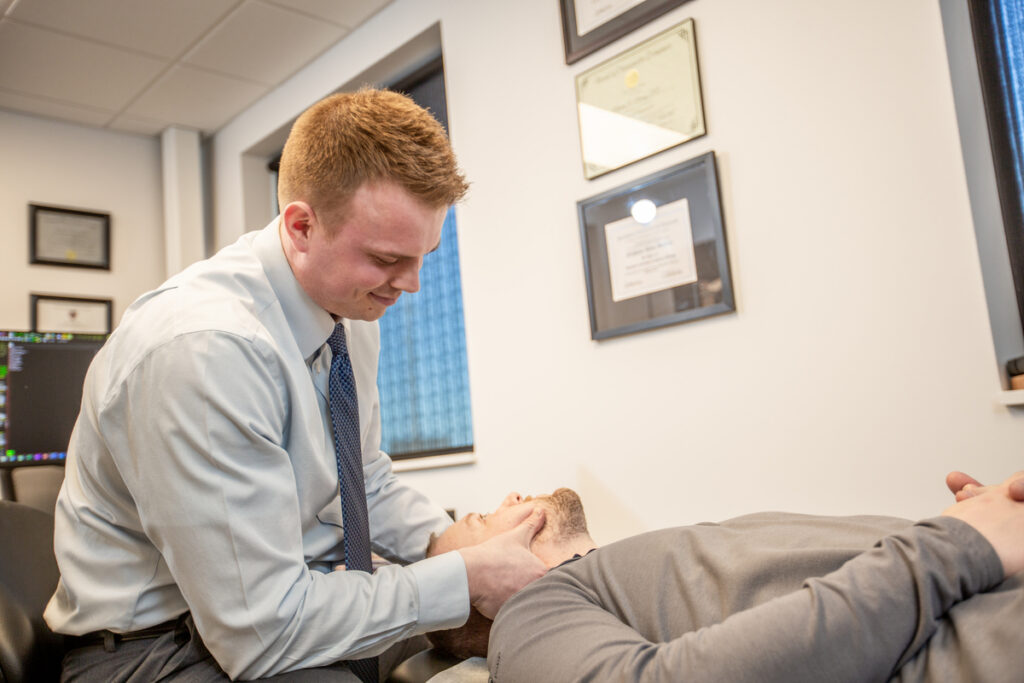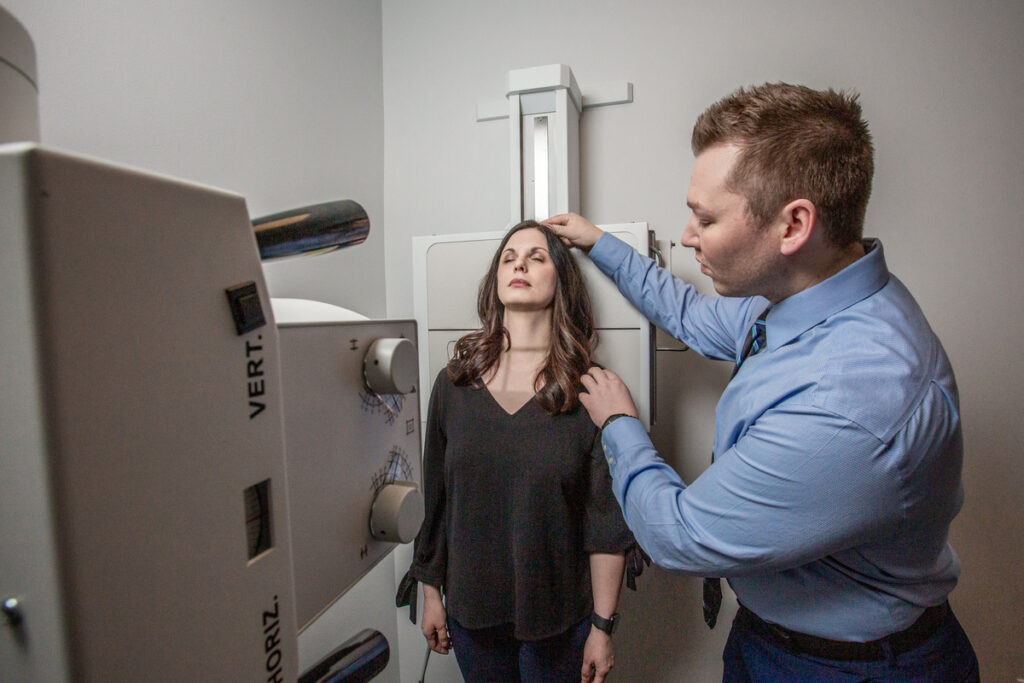

The school year brings excitement, new routines, and fresh challenges for kids of all ages. But it also introduces physical and postural stresses that many parents don’t realize can affect their child’s comfort, focus, and overall well-being. Heavy backpacks, prolonged sitting at desks, increased screen time for homework, and the physical demands of sports and playground activities all take a toll on growing bodies. Here in West Fargo, many families are discovering that pediatric chiropractic care can play a valuable role in supporting their children’s health throughout the school year. This article explores how gentle, age-appropriate chiropractic care helps kids stay comfortable, active, and ready to learn—and what parents should know when considering this conservative approach to wellness.
What is Pediatric Chiropractic Care? Pediatric chiropractic care involves gentle, specialized adjustments and musculoskeletal assessments tailored specifically for children’s developing bodies. Unlike adult adjustments, techniques used for kids are extremely light—often using no more pressure than you’d use to test the ripeness of a tomato. The goal is to support proper spinal alignment, nervous system function, and musculoskeletal development during critical growth periods.
Table of Contents
- Why Back-to-School Season Matters for Kids’ Spinal Health
- Common Back-to-School Musculoskeletal Issues in Children
- How Pediatric Chiropractic Care Supports Growing Bodies
- What Pediatric Chiropractic Care Looks Like
- Practical Tips for Parents: Supporting Spinal Health at Home
- When to Consider Chiropractic Care for Your Child
- Posture Mistakes vs. Healthy Habits: A Quick Comparison
- Myths vs. Facts About Pediatric Chiropractic Care
Why Back-to-School Season Matters for Kids’ Spinal Health
The transition from summer freedom to structured school days creates a perfect storm of physical stresses that can impact children’s developing musculoskeletal systems. During summer, most kids enjoy varied movement—running, swimming, biking, and playing outdoors. When school starts, their bodies suddenly face hours of static sitting, repetitive forward head posture while reading or using devices, and the daily burden of carrying loaded backpacks.
Children’s spines are still developing, with growth plates that don’t fully close until late adolescence or early adulthood. This ongoing development makes proper alignment and posture habits especially important. Poor postural patterns established during childhood can become ingrained over time, potentially contributing to discomfort and biomechanical issues that persist into adulthood.
Research indicates that musculoskeletal complaints in children and adolescents are more common than many parents realize. Evidence suggests that back pain affects a significant percentage of school-aged children, with prevalence increasing as kids get older. The combination of sedentary behavior, improper ergonomics, heavy school bags, and increased academic pressure creates an environment where spinal health challenges can emerge.
Here in West Fargo, Dr. Andrew Jahner sees many young patients at the start of each school year experiencing discomfort related to these sudden lifestyle changes. The good news is that with proper awareness, ergonomic adjustments, and supportive care when needed, most of these issues can be addressed effectively using conservative approaches.
Common Back-to-School Musculoskeletal Issues in Children
Understanding the specific challenges kids face during the school year helps parents recognize when their child might benefit from professional evaluation. Several patterns emerge consistently as children settle into their academic routines.
Heavy Backpack Syndrome
One of the most visible concerns is the weight and wearing pattern of school backpacks. When backpacks are too heavy, worn improperly, or carried on one shoulder, they create uneven loads on the spine and surrounding muscles. Children often compensate by leaning forward or to one side, which can contribute to muscle tension, postural imbalances, and discomfort in the neck, shoulders, and mid-back.
The American Chiropractic Association recommends that backpacks should weigh no more than 5-10% of a child’s body weight. For a 70-pound child, that’s only 3.5 to 7 pounds—yet many students routinely carry packs weighing 15 pounds or more, especially in middle and high school.
Text Neck and Forward Head Posture
Increased screen time for homework, research, and communication means kids spend more time looking down at devices and computers. This forward head posture places significant stress on the cervical spine. For every inch the head moves forward from its neutral position, the effective weight on the neck structures increases substantially—turning a 10-12 pound head into a 20, 30, or even 40-pound load on the neck muscles and joints.
Over time, this sustained forward posture can contribute to neck stiffness, headaches, upper back tension, and postural changes. These issues don’t just cause discomfort—they can also affect concentration and energy levels, making it harder for kids to focus on their schoolwork.
Prolonged Sitting and Desk Ergonomics
Children are designed to move frequently. Yet school demands hours of sitting in chairs that often aren’t properly sized or adjusted for individual students. Poor desk ergonomics—chairs that are too high or too low, desks at improper heights, feet dangling without support—force kids into awkward positions that stress their developing spines.
The transition from active summer days to 6-8 hours of sitting can contribute to stiffness, reduced flexibility, and discomfort in the lower back and hips. Kids may complain of their backs hurting, fidget constantly in their seats, or come home from school seeming unusually tired or irritable.
Sports-Related Stress and Overuse
Fall sports seasons bring their own set of physical demands. Football, soccer, volleyball, cross country, and other activities require repetitive movements and can lead to overuse injuries when proper conditioning, rest, and recovery aren’t prioritized. Growth spurts during these active years can also create temporary biomechanical imbalances as bones grow faster than muscles and connective tissues adapt.
How Pediatric Chiropractic Care Supports Growing Bodies
Chiropractic care for children focuses on supporting proper musculoskeletal development and function through gentle, conservative interventions. The approach differs significantly from adult care in both technique and philosophy, with an emphasis on supporting the body’s natural ability to grow and adapt properly.
Gentle Adjustments for Developing Spines
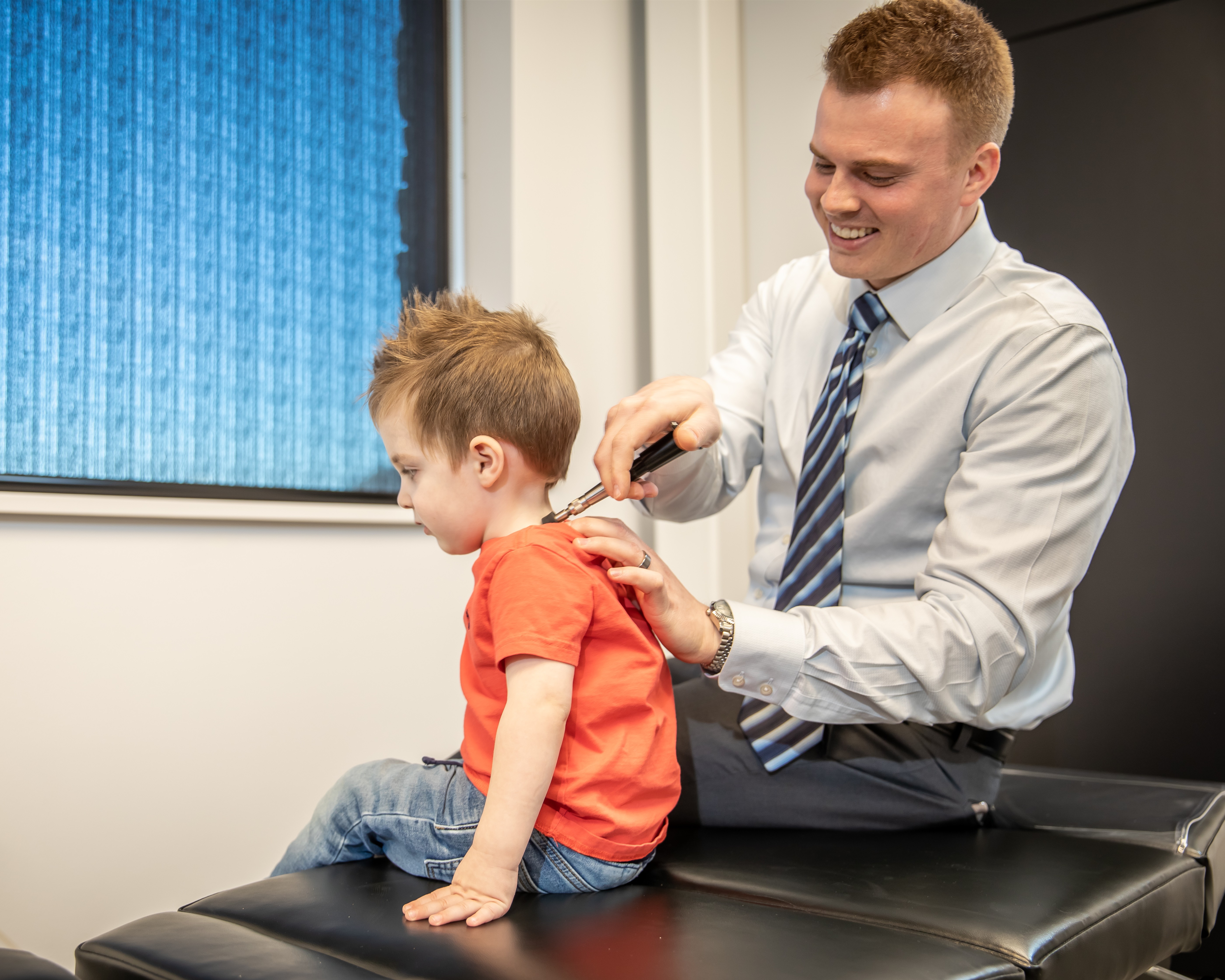
Pediatric chiropractic adjustments use very light force—often just a few ounces of pressure. Dr. Andrew Jahner trained in pediatric techniques understand that children’s bodies respond differently than adults and require specialized approaches. These gentle corrections aim to address areas of restricted movement or misalignment in the spine and extremities, supporting better biomechanics and nervous system function.
The adjustments are typically very well tolerated by children. Many kids find them relaxing, and some even fall asleep during their visits. The techniques may include light fingertip pressure, specialized instruments that deliver controlled impulses, or gentle sustained contact rather than the traditional manual adjustments often used with adults.
Supporting Nervous System Function
The spine houses and protects the spinal cord, which serves as the communication highway between the brain and the rest of the body. Proper spinal alignment and movement support optimal nervous system function, which influences not just musculoskeletal health but also coordination, balance, and the body’s ability to adapt to physical stresses.
While chiropractic care doesn’t treat diseases or medical conditions outside its scope, many parents report improvements in their children’s overall well-being, sleep quality, and comfort levels when spinal health is addressed. Research suggests that chiropractic care may help with musculoskeletal complaints in pediatric populations, though more high-quality studies are needed.
Postural Education and Movement Coaching
A significant component of pediatric chiropractic care involves education. At Optimal Chiropractic in West Fargo, ND, the focus extends beyond adjustments to include teaching kids proper posture awareness, ergonomic habits, and body mechanics. Children learn practical strategies they can use at school and home to reduce stress on their developing spines.
This educational component empowers kids to take an active role in their own health. When children understand why certain positions feel uncomfortable and learn what proper alignment feels like, they’re more likely to make healthier choices throughout their day.
What Pediatric Chiropractic Care Looks Like
If you’re considering chiropractic care for your child, knowing what to expect can ease any concerns and help your family feel comfortable with the process. Pediatric chiropractic visits are designed to be welcoming, non-threatening, and age-appropriate.
Initial Consultation and Assessment
The first visit typically involves a detailed conversation about your child’s health history, daily activities, any complaints or discomfort they’re experiencing, and your goals for care. The chiropractor will ask about your child’s posture habits, backpack use, desk setup, sports participation, and screen time patterns.
A physical examination follows, which may include observing your child’s posture and movement patterns, assessing spinal alignment and mobility, evaluating muscle tension or tenderness, and checking reflexes and coordination. This assessment is gentle and interactive, often incorporating games or movement activities to help younger children feel comfortable.
Age-Appropriate Care Plans
Based on the findings, Dr. Andrew Jahner will develop an individualized care plan tailored to your child’s specific needs and stage of development. This plan outlines recommended frequency of visits, home care strategies, and realistic expectations for outcomes. The approach for a 6-year-old will differ significantly from that used with a 16-year-old, accounting for developmental stage, size, and specific concerns.
Care plans emphasize conservative, supportive interventions. The goal is not ongoing dependency but rather supporting proper development, addressing current concerns, and equipping families with tools to maintain spinal health independently.
Parent Involvement and Communication
Parents are active participants in their child’s care. You’ll be present during visits, receive education about home care strategies, and learn to recognize signs that might indicate your child needs additional support. Open communication between the chiropractor and parents ensures everyone is working toward the same goals and that care remains appropriate as your child grows and their needs change.
Practical Tips for Parents: Supporting Spinal Health at Home
Whether or not your child receives chiropractic care, there are many practical steps you can take at home to support their spinal health throughout the school year. These evidence-based strategies align with conservative care principles and can make a meaningful difference.
Backpack Best Practices
Choose a backpack with wide, padded shoulder straps and a padded back panel. Ensure your child uses both shoulder straps rather than slinging the pack over one shoulder. The bottom of the backpack should rest in the curve of the lower back, sitting about two inches above the waist. Adjust straps so the pack fits snugly against the back rather than hanging loosely. Encourage your child to use all compartments to distribute weight evenly, placing heavier items closest to the back. Regularly clean out the backpack to remove unnecessary items that add weight.
Homework and Screen Time Ergonomics
Set up a dedicated homework space with proper ergonomics. The chair should support your child’s back and allow their feet to rest flat on the floor or on a footrest. The desk height should allow elbows to bend at roughly 90 degrees while typing or writing. Position computer screens at arm’s length, with the top of the screen at or slightly below eye level to reduce forward head posture. For homework on tablets or phones, use a stand to prop the device up rather than having your child constantly look down.
Implement the 20-20-20 rule: every 20 minutes, take a 20-second break to look at something 20 feet away. Encourage movement breaks every 30-45 minutes during homework sessions—even a quick walk to the kitchen for water or a brief stretch can help.
Encourage Regular Movement and Stretching
Physical activity is essential for spinal health. Encourage at least 60 minutes of moderate to vigorous activity daily. Variety matters—include activities that build strength, flexibility, and coordination rather than focusing solely on one sport or movement pattern. Teach your child simple stretches for the neck, shoulders, and back that they can do during the school day or before bed.
Create Healthy Sleep Environments
Proper sleep posture supports spinal health. Ensure your child has an appropriate pillow that keeps their neck in neutral alignment—not too high or flat. Side and back sleeping are generally better than stomach sleeping for spinal alignment. A mattress that provides adequate support without being overly firm or saggy helps maintain proper posture during rest.

When to Consider Chiropractic Care for Your Child
Not every child needs chiropractic care, but certain signs and situations may indicate that an evaluation would be beneficial. Understanding these indicators helps parents make informed decisions about their child’s health.
Signs Your Child Might Benefit from Evaluation
Consider scheduling a consultation if your child frequently complains of back, neck, or shoulder discomfort that doesn’t resolve with rest and basic home care. Visible postural changes such as head tilting to one side, one shoulder sitting higher than the other, or persistent forward head posture warrant attention. If your child seems unusually stiff or has reduced range of motion in their neck or back, this may indicate areas of restriction that could benefit from chiropractic assessment.
Behavioral changes can sometimes relate to physical discomfort. If your child seems more irritable or fatigued than usual, has difficulty concentrating on homework, or avoids physical activities they previously enjoyed, underlying musculoskeletal issues might be contributing factors worth exploring.
Proactive vs. Reactive Care
Some families choose chiropractic care proactively as part of their overall wellness approach, scheduling occasional check-ups to support proper development even when no specific complaints are present. Others seek care reactively when problems arise. Both approaches have merit, and the right choice depends on your family’s philosophy, your child’s specific needs, and professional recommendations.
At Optimal Chiropractic in West Fargo, ND, Dr. Andrew Jahner works with families to determine the most appropriate care approach for each child’s unique situation.
Red Flags Requiring Medical Referral
While chiropractic care is appropriate for many musculoskeletal concerns, certain symptoms require immediate medical evaluation. Seek emergency medical care if your child experiences sudden onset of severe pain, numbness or tingling in the arms or legs, loss of bowel or bladder control, pain accompanied by fever or unexplained weight loss, or pain following significant trauma or injury.
Chiropractors are trained to recognize these red flags and will refer to appropriate medical professionals when necessary. Collaborative care between chiropractors and medical providers ensures children receive the most appropriate interventions for their specific conditions.
Posture Mistakes vs. Healthy Habits: A Quick Comparison
| Common Posture Mistake | Healthier Alternative |
|---|---|
| Carrying backpack on one shoulder | Using both straps, properly adjusted and snug |
| Looking down at phone or tablet for extended periods | Holding device at eye level or using a stand |
| Slouching in chair with feet dangling | Sitting with back supported, feet flat on floor or footrest |
| Screen positioned too low, causing constant neck flexion | Screen at arm’s length, top at or below eye level |
| Sitting for hours without breaks | Taking movement breaks every 30-45 minutes |
| Sleeping on stomach with head turned to one side | Side or back sleeping with proper pillow support |
| Carrying overstuffed backpack with loose straps | Regular backpack clean-outs, keeping weight under 10% of body weight |
Myths vs. Facts About Pediatric Chiropractic Care
Myth: Chiropractic Adjustments Are Too Forceful for Children
Fact: Pediatric chiropractic techniques are extremely gentle and specifically adapted for children’s developing bodies. The pressure used for an infant or young child is often no more than the light touch you’d use to feel if a peach is ripe. Chiropractors trained in pediatric care understand the anatomical and physiological differences in growing bodies and adjust their techniques accordingly.
Myth: Kids Don’t Need Chiropractic Care Because They’re Young and Resilient
Fact: While children do have remarkable healing capacity, their spines are actively developing and can be affected by poor posture habits, injuries, and physical stresses just like adult spines. Addressing musculoskeletal issues during childhood—when patterns are still forming—may help prevent more significant problems later. Early intervention with conservative care often yields excellent results.
Myth: Once You Start Chiropractic Care, You Have to Go Forever
Fact: Chiropractic care plans are individualized and goal-oriented. Some families choose ongoing wellness care, while others seek help for specific concerns and discontinue once issues resolve. The decision about frequency and duration is made collaboratively between the chiropractor and parents, based on the child’s needs, response to care, and family preferences. There’s no lifetime commitment required.
Myth: Chiropractic Care Can Fix All Childhood Health Problems
Fact: Chiropractic care focuses specifically on musculoskeletal health and biomechanical function. While proper spinal alignment and nervous system support may contribute to overall wellness, chiropractors don’t treat infections, diseases, or conditions outside their scope of practice. Responsible chiropractors work within their professional boundaries and refer to medical providers when appropriate.
Myth: If My Child Isn’t Complaining of Pain, Their Spine is Fine
Fact: Children don’t always recognize or communicate discomfort in the same ways adults do. They may compensate for restrictions or imbalances without realizing it, or express physical issues through behavior changes rather than direct complaints. Additionally, preventive assessment can identify postural patterns or biomechanical issues before they become symptomatic, allowing for earlier intervention.
Helping West Fargo Kids Thrive This School Year
The back-to-school season brings wonderful opportunities for learning, growth, and connection. By staying mindful of the physical demands school places on young bodies and taking proactive steps to support spinal health, parents can help their children navigate the academic year with greater comfort, energy, and focus.
Whether through simple home interventions like proper backpack use and ergonomic homework stations, or through professional support from pediatric chiropractic care, there are many conservative, evidence-based approaches available to help kids thrive. Here in West Fargo, Dr. Andrew Jahner, and the team at Optimal Chiropractic are committed to supporting local families with gentle, age-appropriate care that respects each child’s unique needs and developmental stage.
If you have questions about your child’s posture, comfort, or spinal health as they head back to school, consider scheduling a consultation. A simple evaluation can provide peace of mind and, when needed, a clear path forward for supporting your child’s musculoskeletal wellness throughout the school year and beyond.
Frequently Asked Questions
At what age can children start receiving chiropractic care?
Children can receive chiropractic care at any age, including infancy. Techniques are specifically adapted to each developmental stage, using extremely gentle approaches for infants and young children. Many parents seek evaluation after difficult births, while others bring children in during toddler years or once school-related issues emerge.
How often do kids typically need chiropractic adjustments?
This varies significantly based on the individual child’s needs and the nature of their concerns. Some children benefit from a short series of visits to address a specific issue, while others may receive periodic check-ups as part of wellness care. Dr. Andrew Jahner develops individualized care recommendations based on examination findings, your child’s response to care, and your family’s goals.
Will my insurance cover pediatric chiropractic care?
Coverage varies by insurance plan. Some plans include chiropractic benefits that apply to family members of all ages, while others have limitations. Contact Optimal Chiropractic in West Fargo directly to discuss your specific insurance situation and available options.
Can chiropractic care help with my child’s headaches?
When headaches are related to musculoskeletal factors such as neck tension, poor posture, or spinal misalignment, chiropractic care may provide relief. Research suggests that manual therapies including chiropractic care can be beneficial for certain types of headaches. A thorough evaluation helps determine whether your child’s headaches might respond to chiropractic intervention or require other approaches.
Is it normal for kids to have back pain, or should I be concerned?
While back pain in children is more common than many parents realize—particularly as kids reach adolescence—it should not be dismissed as normal. Persistent or recurrent back pain warrants professional evaluation to identify underlying causes and rule out more serious conditions. Many cases respond well to conservative care including chiropractic treatment, postural corrections, and activity modifications.
How can I tell if my child’s backpack is too heavy?
A good rule of thumb is that a loaded backpack should weigh no more than 10% of your child’s body weight (some guidelines suggest 5-10%). You can weigh the backpack on a bathroom scale. Also watch for signs like your child leaning forward while wearing it, struggling to put it on, complaining of numbness or tingling in arms, or showing visible red marks on shoulders from straps.
TL;DR – Quick Takeaways
- The back-to-school transition introduces physical stresses from heavy backpacks, prolonged sitting, increased screen time, and sports activities that can affect children’s developing spines and overall comfort.
- Pediatric chiropractic care uses extremely gentle, age-appropriate techniques to support proper spinal alignment, musculoskeletal function, and nervous system health in growing bodies.
- Simple home strategies like proper backpack use, ergonomic homework stations, regular movement breaks, and healthy sleep habits can significantly support your child’s spinal health throughout the school year.
- Consider professional evaluation if your child experiences frequent discomfort, visible postural changes, reduced mobility, or behavioral signs that might indicate physical issues.
- Dr. Andrew Jahner at Optimal Chiropractic in West Fargo, ND provides individualized pediatric care focused on supporting local children’s health, activity levels, and academic success through conservative, evidence-based chiropractic approaches.