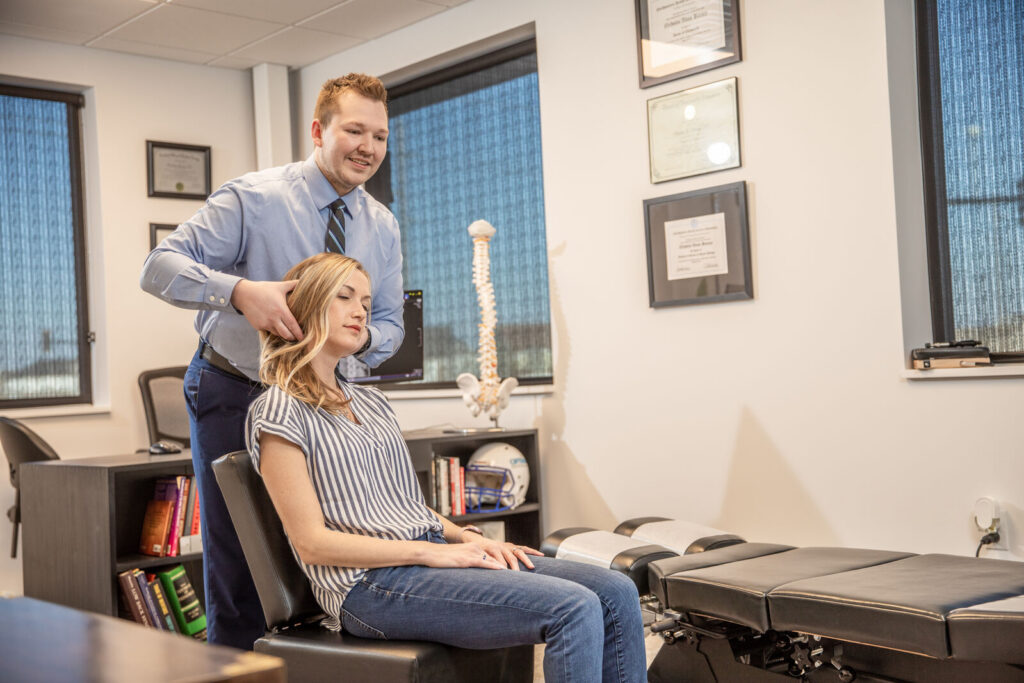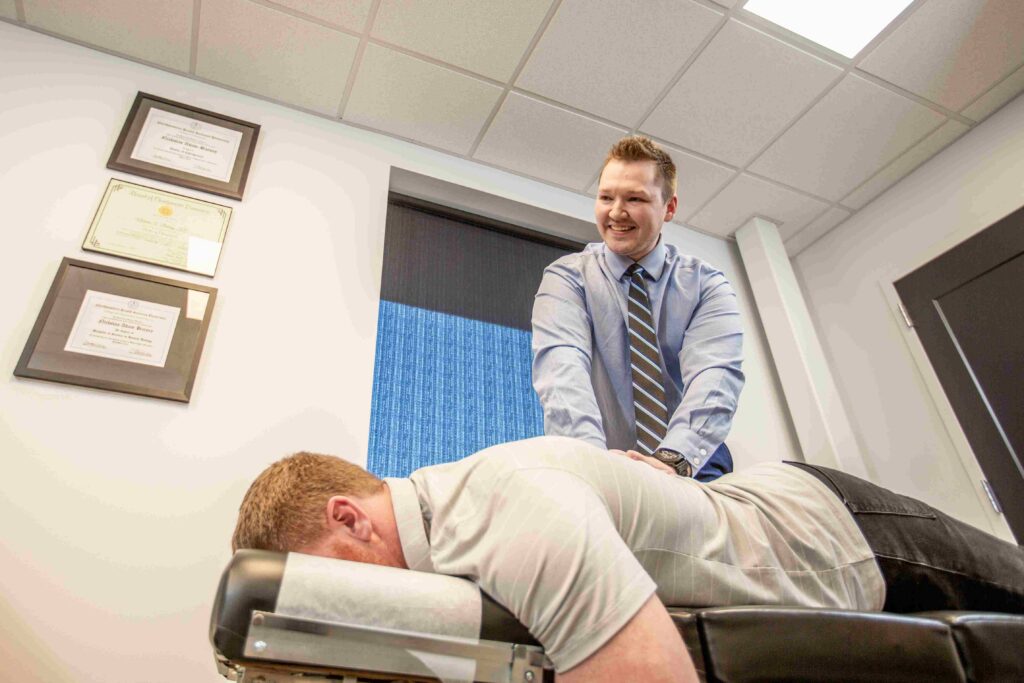
Pregnancy brings incredible changes to your body—and with those changes often come aches, pains, and questions about what’s safe for both you and your baby. If you’re experiencing lower back pain, pelvic discomfort, or sciatica during pregnancy, you may have wondered whether chiropractic care is a safe option. The short answer is yes—but let’s explore why, how it works, and what you should know before your first prenatal chiropractic visit.
Here in West Fargo, many expectant mothers come to Optimal Chiropractic seeking natural, gentle relief from pregnancy-related discomfort. This guide will help you understand the safety, benefits, and techniques involved in prenatal chiropractic care so you can make an informed decision that supports both your wellness and your baby’s health.
Is chiropractic care safe during pregnancy? Yes, chiropractic care is generally considered safe throughout all stages of pregnancy when performed by a chiropractor trained in prenatal techniques. It’s a gentle, non-invasive approach that focuses on maintaining proper spinal alignment and pelvic balance to support both maternal comfort and optimal fetal positioning.
Table of Contents
- Why Pregnancy Changes Your Body (And Why That Causes Pain)
- The Safety of Chiropractic Care During Pregnancy
- How Prenatal Chiropractic Care Works
- Benefits for Both Mother and Baby
- What to Expect During a Prenatal Chiropractic Visit
- Practical Tips for a Comfortable Pregnancy
- When to Seek Chiropractic Care During Pregnancy
- Myths vs. Facts About Prenatal Chiropractic
- Final Thoughts from Optimal Chiropractic
Why Pregnancy Changes Your Body (And Why That Causes Pain)
Understanding why pregnancy causes discomfort helps explain how chiropractic care can help. Your body undergoes dramatic physical changes to accommodate your growing baby, and these changes affect your entire musculoskeletal system.
As your baby grows, your center of gravity shifts forward. This places increased stress on your lower back and causes the natural curve of your spine to become exaggerated. The extra weight in front pulls your pelvis forward, creating what’s often called “pregnancy waddle” and contributing to lower back pain.
Hormonal changes play a significant role too. Your body produces a hormone called relaxin, which loosens the ligaments in your pelvis to prepare for childbirth. While this is necessary for delivery, it can also create instability in your joints and lead to discomfort throughout your spine, hips, and pelvis.
The average pregnancy weight gain of 25-35 pounds doesn’t just affect your back. It changes how you walk, stand, and sleep. Your pelvis tilts differently, your shoulders round forward, and your neck compensates by jutting forward—all of which can lead to tension, pain, and restricted movement.
Many pregnant women also experience sciatica, where the sciatic nerve becomes compressed or irritated. This can cause shooting pain, numbness, or tingling that radiates from your lower back down through your buttocks and legs. As your uterus expands, it can put pressure on the sciatic nerve, making this condition particularly common in the second and third trimesters.
The Safety of Chiropractic Care During Pregnancy
Research and clinical evidence consistently support the safety of chiropractic care during pregnancy when performed by properly trained practitioners. The American Pregnancy Association recognizes chiropractic care as safe throughout pregnancy, and many obstetricians now recommend it as part of comprehensive prenatal care.
Chiropractors who work with pregnant patients use specialized techniques that avoid unnecessary pressure on the abdomen. At Optimal Chiropractic in West Fargo, we use pregnancy-specific adjusting tables and techniques designed specifically for the unique needs of expectant mothers. These modifications ensure that both you and your baby remain safe and comfortable throughout treatment.
The adjustments used during pregnancy are typically gentler than standard chiropractic techniques. There’s no twisting or forceful manipulation involved. Instead, prenatal adjustments focus on light, specific contacts that encourage proper joint movement and alignment without any risk to your pregnancy.
Studies have shown that chiropractic care during pregnancy is associated with shorter labor times and reduced need for pain medication during delivery. A study published in the Journal of Manipulative and Physiological Therapeutics found that first-time mothers who received chiropractic care during their third trimester had 24% shorter labor times, while multiparous women (those who had given birth before) had 39% shorter labor times.
It’s important to note that there are very few contraindications for chiropractic care during pregnancy. However, conditions like vaginal bleeding, placenta previa, ectopic pregnancy, or moderate to severe toxemia would require medical clearance before beginning chiropractic treatment. Your chiropractor will always take a thorough health history and communicate with your obstetrician when necessary.
How Prenatal Chiropractic Care Works
Prenatal chiropractic care focuses on maintaining proper alignment of your spine and pelvis throughout your pregnancy. The primary goal is to ensure that your nervous system functions optimally and that your pelvis has adequate room for your baby to develop and move into the correct position for birth.
One of the key techniques used is the Webster Technique, a specific chiropractic analysis and adjustment developed specifically for pregnant women. This technique focuses on the sacrum and its relationship to the pelvic bones and ligaments. By reducing tension in the pelvic muscles and ligaments, the Webster Technique can help create a more balanced pelvis, which may allow the baby more room to move into the optimal head-down position.
The Webster Technique is particularly valuable for mothers whose babies are in breech or posterior positions. While it’s not a technique to “turn” the baby directly, it addresses the biomechanical causes that may prevent the baby from getting into the best position. Research suggests that when used during pregnancy, particularly between 32-37 weeks, the Webster Technique has been associated with optimal fetal positioning in a significant number of cases.
Beyond the Webster Technique, prenatal chiropractic care addresses the entire spine. As your posture changes during pregnancy, different areas of your spine compensate in different ways. Your mid-back may become more rounded, your lower back more arched, and your neck may jut forward. Gentle adjustments throughout the spine help maintain balance and reduce the cascade of compensations that lead to pain.
Soft tissue work is also an important component of prenatal care. Tight muscles in your hips, lower back, and pelvis can contribute to discomfort and biomechanical dysfunction. Chiropractors may use gentle stretching, massage, or trigger point therapy to release muscle tension and improve your overall comfort.
Benefits for Both Mother and Baby
The benefits of chiropractic care during pregnancy extend beyond just pain relief. While reducing discomfort is certainly valuable, the effects of proper spinal and pelvic alignment reach much further.
For mothers, regular chiropractic care throughout pregnancy can mean less back pain, reduced pelvic pain, and improved ability to perform daily activities. Many women report sleeping better, having more energy, and feeling more mobile when they receive consistent chiropractic adjustments. The relief from sciatica symptoms is particularly significant for many expectant mothers who struggle with nerve pain.
Proper pelvic alignment also supports easier, shorter labor. When your pelvis is balanced and your nervous system is functioning well, your body is better prepared for the demands of childbirth. Some women who receive prenatal chiropractic care report needing less pain intervention during labor and feeling more in control of the birthing process.
For your baby, the benefits are equally important. A balanced pelvis provides more room for development and allows the baby to move into the optimal position for birth. When your pelvis is misaligned or your muscles and ligaments are unbalanced, it can create intrauterine constraint—essentially less room for your baby to move freely. This can lead to positioning issues like breech or posterior presentations.
Optimal fetal positioning not only makes labor easier but also reduces the risk of interventions during delivery. When babies are properly positioned, labor tends to progress more smoothly, and there’s often less need for interventions like vacuum extraction, forceps, or cesarean section.
Beyond the physical benefits, many women find that regular chiropractic care helps them feel more connected to their bodies during pregnancy. The calm, supportive environment of a chiropractic office provides time to focus on wellness and self-care during a period when it’s easy to become overwhelmed by all the changes happening.
What to Expect During a Prenatal Chiropractic Visit
If you’ve never been to a chiropractor before, you might wonder what a prenatal visit looks like. At Optimal Chiropractic in West Fargo, we make sure every pregnant patient feels comfortable and informed throughout the entire process.
Your first visit will include a thorough consultation and examination. We’ll ask about your pregnancy history, current symptoms, and any concerns you have. We’ll also want to know about your obstetric care—who your doctor or midwife is, whether there are any complications, and what trimester you’re in. This information helps us tailor your care to your specific needs.
The examination includes assessing your posture, spinal alignment, and pelvic balance. We’ll look at how you walk, stand, and move. We’ll also check for areas of muscle tension, joint restriction, and biomechanical imbalances that may be contributing to your discomfort.
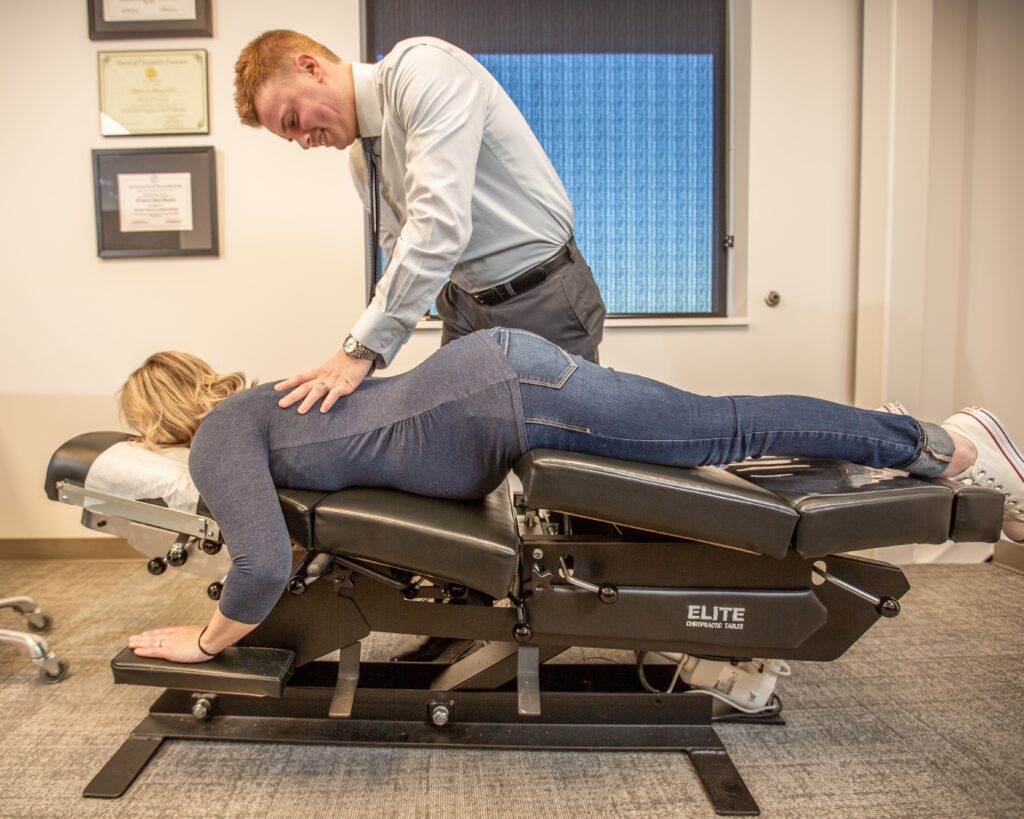
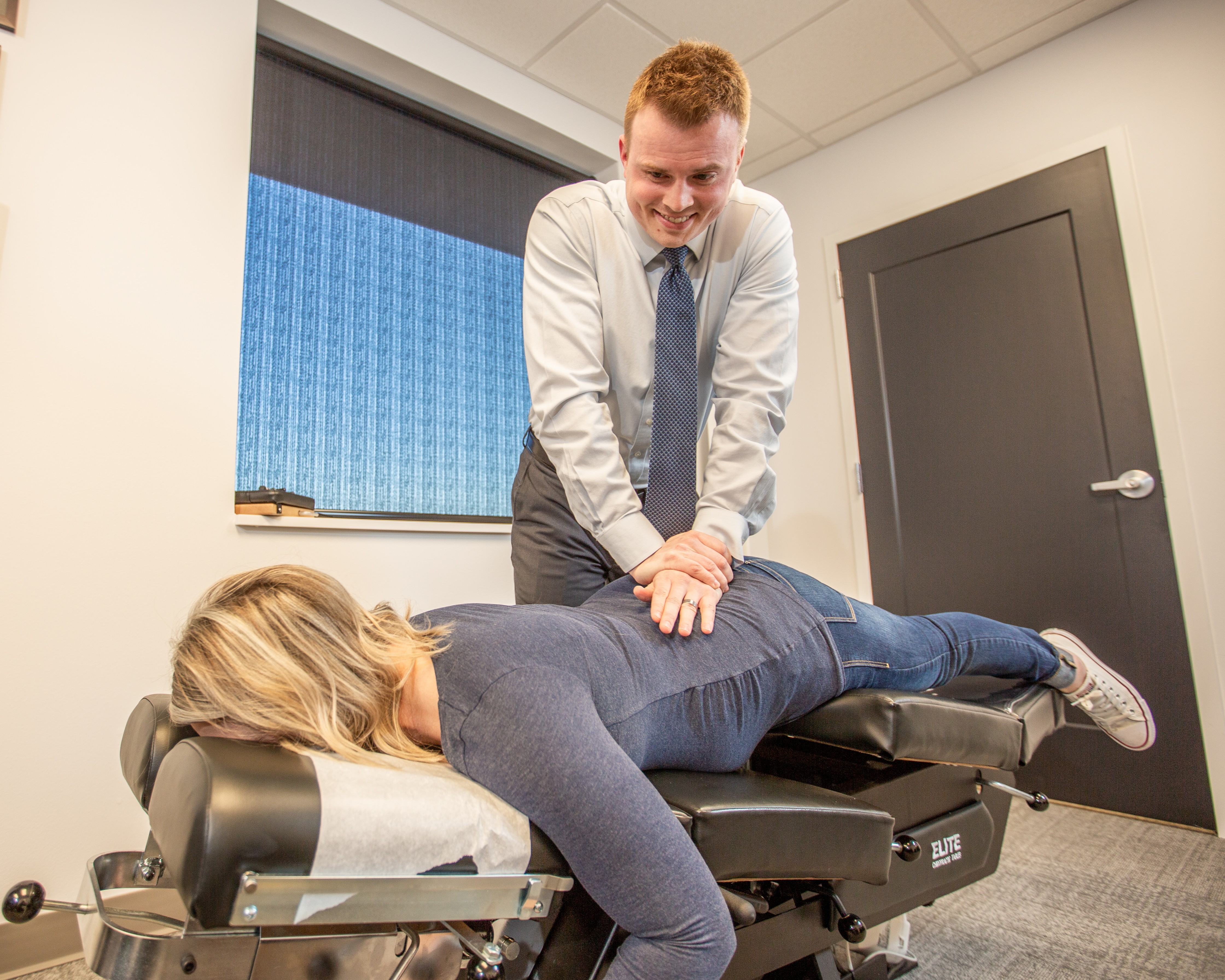
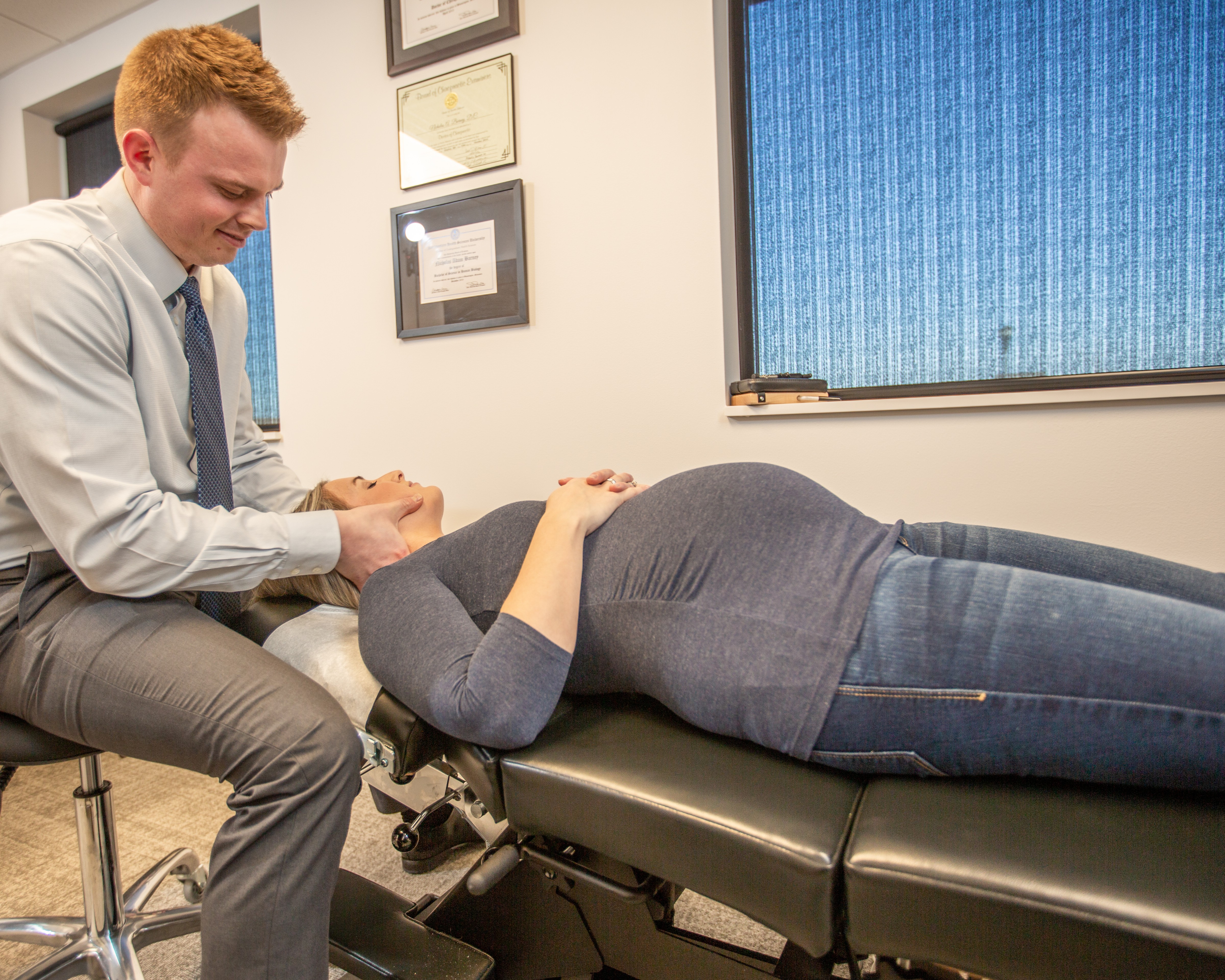
When it’s time for the adjustment, you’ll lie on a specially designed table that accommodates your growing belly. These tables have sections that drop away or adjust to prevent any pressure on your abdomen. Many pregnant women find these tables much more comfortable than standard exam tables.
The adjustment itself is gentle and specific. You may feel some movement or hear a slight popping sound as joints release, but the techniques are modified to be completely safe for pregnancy. Most women find the experience relaxing and report feeling immediate relief from tension and discomfort.
After your adjustment, we may recommend exercises, stretches, or postural modifications you can do at home. These complement your in-office care and help you maintain the benefits between visits. We might also discuss sleeping positions, proper lifting techniques, or ergonomic adjustments for work or home.
The frequency of visits varies depending on your individual needs. Some women come in weekly throughout their pregnancy, while others visit every other week or monthly. As you get closer to your due date, more frequent visits may be recommended to help maintain pelvic balance and prepare your body for labor.
| Trimester | Common Concerns | Chiropractic Focus |
|---|---|---|
| First Trimester | Nausea, fatigue, hormonal changes | Nervous system support, gentle spinal alignment, foundation for healthy pregnancy |
| Second Trimester | Growing belly, center of gravity shifts, round ligament pain | Pelvic balance, postural support, addressing compensations in spine |
| Third Trimester | Significant weight gain, sciatica, pelvic pressure, preparing for labor | Webster Technique, optimal fetal positioning, pelvic alignment for easier labor |
Practical Tips for a Comfortable Pregnancy
While chiropractic care provides significant relief, there are also things you can do at home to support your comfort and spinal health during pregnancy. These tips complement your chiropractic adjustments and help you feel better between visits.
Sleep positioning matters more during pregnancy than at any other time. The best position is on your left side with a pillow between your knees and another supporting your belly. This takes pressure off your lower back and improves circulation to your baby. Avoid sleeping on your back after the first trimester, as this position can compress major blood vessels and lead to dizziness or reduced blood flow.
Pay attention to how you get in and out of bed. Instead of sitting straight up, roll onto your side first, then use your arms to push yourself up. This reduces strain on your abdominal muscles and lower back. When getting out of a chair, scoot to the edge first, place your feet flat on the floor, and use your legs to stand rather than pulling with your back.
Proper footwear becomes increasingly important as your pregnancy progresses. Avoid high heels, which tilt your pelvis forward and increase the curve in your lower back. Choose supportive, flat shoes with good arch support. Some women find that pregnancy support shoes or orthotic inserts provide additional comfort.
Staying active is one of the best things you can do for your body during pregnancy. Walking, swimming, and prenatal yoga are excellent choices that keep you moving without putting excessive stress on your joints. Regular movement helps maintain muscle tone, supports healthy circulation, and can reduce the severity of pregnancy-related aches and pains.
Watch your posture throughout the day. When standing, think about stacking your joints—ears over shoulders, shoulders over hips, hips over ankles. Avoid standing in one position for too long. When sitting, use a small cushion or rolled towel to support your lower back, and keep your feet flat on the floor or on a footrest.
Practice proper lifting technique, even with light objects. Bend at your knees, not your waist. Keep objects close to your body, and avoid twisting while lifting. Better yet, ask for help with heavy items rather than risking strain to your back or pelvis.
Stay hydrated and maintain good nutrition. Dehydration can contribute to muscle cramps and tension, while proper nutrition supports the health of your muscles, ligaments, and connective tissues. Focus on nutrient-dense foods that provide the building blocks your body needs during this time of rapid change.
When to Seek Chiropractic Care During Pregnancy
You don’t have to wait until you’re in significant pain to see a chiropractor during pregnancy. In fact, many women benefit from starting chiropractic care early in pregnancy, even before symptoms develop. Preventive care helps maintain proper alignment as your body changes and can reduce the likelihood of developing painful conditions later.
That said, certain symptoms indicate it’s time to schedule a chiropractic evaluation. If you’re experiencing lower back pain that’s affecting your daily activities, making it difficult to sleep, or getting progressively worse, chiropractic care can help. This is especially true if the pain radiates into your buttocks or legs, which may indicate sciatica.
Pelvic pain or pubic symphysis dysfunction is another common reason women seek chiropractic care. If you feel pain in the front of your pelvis, especially when walking, climbing stairs, or rolling over in bed, it may indicate pelvic imbalance that chiropractic adjustments can address.
If your baby is in a breech or posterior position after 32 weeks, many obstetricians and midwives now recommend trying the Webster Technique before considering external cephalic version or other interventions. Starting care earlier gives your body more time to respond and provides the best opportunity for optimal fetal positioning.
Round ligament pain—sharp pains on one or both sides of your abdomen as your uterus grows—can also benefit from chiropractic care. While this pain is considered normal, adjustments that support proper pelvic alignment can reduce the intensity and frequency of these uncomfortable episodes.
Some women seek chiropractic care specifically to prepare their bodies for labor. Starting regular adjustments in the third trimester, even if you’re not in pain, can help ensure your pelvis is balanced and your nervous system is functioning optimally as you approach your due date.
There are also times when you should seek immediate medical attention rather than waiting for a chiropractic appointment. Vaginal bleeding, severe abdominal pain, sudden swelling, severe headaches, vision changes, or decreased fetal movement require immediate evaluation by your obstetrician or emergency care. These symptoms may indicate complications that need medical intervention.
Myths vs. Facts About Prenatal Chiropractic Care
Myth: Chiropractic Adjustments During Pregnancy Can Harm the Baby
Fact: Chiropractic adjustments do not put any direct pressure on the baby or the uterus. Specialized tables and techniques ensure the abdomen is never compressed. The adjustments focus on the spine and pelvis—structures outside and around the uterus—and use gentle, specific forces that are completely safe for both mother and baby.
Myth: You Should Only See a Chiropractor If You’re in Pain
Fact: While chiropractic care is excellent for relieving pain, preventive care throughout pregnancy provides benefits even when you’re feeling fine. Regular adjustments help maintain proper alignment as your body changes, support optimal fetal positioning, and prepare your pelvis for labor. Think of it as wellness care, not just pain management.
Myth: The Webster Technique Turns Breech Babies
Fact: The Webster Technique doesn’t manually turn or manipulate the baby. Instead, it addresses biomechanical dysfunction in the pelvis that may be preventing the baby from moving into the optimal position on their own. By balancing the pelvis and reducing tension in the surrounding muscles and ligaments, the technique creates an environment where the baby has more room to position themselves naturally.
Myth: Chiropractic Care During Pregnancy Might Induce Labor
Fact: Chiropractic adjustments do not induce labor. While regular chiropractic care may contribute to shorter, easier labors when the time comes naturally, adjustments don’t trigger the hormonal cascade that starts labor. You can safely receive chiropractic care right up until your due date and even during early labor if desired.
Myth: You Need Your Doctor’s Permission to See a Chiropractor While Pregnant
Fact: You don’t need a referral or permission from your obstetrician to receive chiropractic care during pregnancy. However, we encourage communication between your healthcare providers. Many obstetricians welcome chiropractic care as part of comprehensive prenatal wellness, and we’re always happy to coordinate with your doctor or midwife to ensure the best possible care for you and your baby.
Final Thoughts from Optimal Chiropractic
Pregnancy is an incredible journey, but it doesn’t have to be a painful one. Here in West Fargo, we’ve had the privilege of supporting hundreds of expectant mothers through gentle, safe chiropractic care that honors both their comfort and their baby’s wellbeing. At Optimal Chiropractic, we understand the unique challenges pregnancy brings, and we’re committed to helping you feel your best throughout this special time.
Whether you’re dealing with back pain, preparing your body for labor, or simply want to support your wellness during pregnancy, chiropractic care offers a natural, effective approach that works with your body’s own healing abilities. You don’t have to accept discomfort as an inevitable part of pregnancy—there are safe, gentle options available.
If you’re pregnant and wondering whether chiropractic care is right for you, we invite you to reach out. We’ll take the time to answer your questions, address your concerns, and create a care plan that supports your individual needs. Your comfort and your baby’s health are our top priorities, and we’d be honored to be part of your pregnancy journey here in West Fargo, North Dakota.
Frequently Asked Questions
Can I start chiropractic care at any point during my pregnancy?
Yes, you can begin chiropractic care during any trimester of pregnancy. Many women start in the first trimester to establish good alignment from the beginning, while others seek care in the second or third trimester when symptoms develop. There’s no wrong time to start—your chiropractor will adapt the techniques to your current stage of pregnancy.
How often should I see a chiropractor during pregnancy?
The frequency of visits depends on your individual needs and symptoms. Many women benefit from weekly or bi-weekly visits, especially in the third trimester. Some may only need monthly maintenance care. Your chiropractor will recommend a schedule based on your specific situation and can adjust it as your pregnancy progresses.
Will my insurance cover prenatal chiropractic care?
Coverage varies by insurance plan. Many insurance policies include chiropractic benefits that apply during pregnancy just as they would at any other time. Contact your insurance provider or our office at Optimal Chiropractic, and we’ll help you understand your coverage and options.
Is it safe to continue chiropractic care if I’ve had pregnancy complications?
This depends on the specific complication. Conditions like placenta previa, vaginal bleeding, or severe preeclampsia may require clearance from your obstetrician before beginning chiropractic care. Always inform your chiropractor about any complications or concerns, and we’ll work with your medical team to determine what’s safest for you.
Can chiropractic care help with nausea and morning sickness?
While chiropractic care isn’t a cure for morning sickness, some women report improvement in nausea symptoms with regular adjustments. This may be because spinal adjustments support optimal nervous system function, which can affect digestion and nausea. However, results vary, and severe morning sickness should always be evaluated by your obstetrician.
What’s the difference between a regular chiropractor and one who specializes in prenatal care?
Chiropractors who specialize in prenatal care have completed additional training in pregnancy-specific techniques like the Webster Technique. They use specialized tables and modification techniques designed for the pregnant body. While many chiropractors can safely treat pregnant women, those with specialized training offer techniques specifically developed for the unique needs of expectant mothers.
TL;DR – Key Takeaways
- Chiropractic care is safe throughout all stages of pregnancy when performed by a trained practitioner using prenatal techniques and specialized equipment designed to protect mother and baby.
- Regular prenatal chiropractic adjustments can reduce back pain, pelvic pain, and sciatica while supporting optimal fetal positioning and potentially contributing to shorter, easier labor.
- The Webster Technique is a specific prenatal chiropractic approach that focuses on pelvic balance and may help babies move into the optimal head-down position for birth.
- You don’t need to be in pain to benefit from prenatal chiropractic care—preventive adjustments help maintain proper alignment as your body changes throughout pregnancy.
- At Optimal Chiropractic in West Fargo, ND, we provide gentle, evidence-based prenatal care that works alongside your obstetric care to support your comfort and wellness throughout pregnancy.