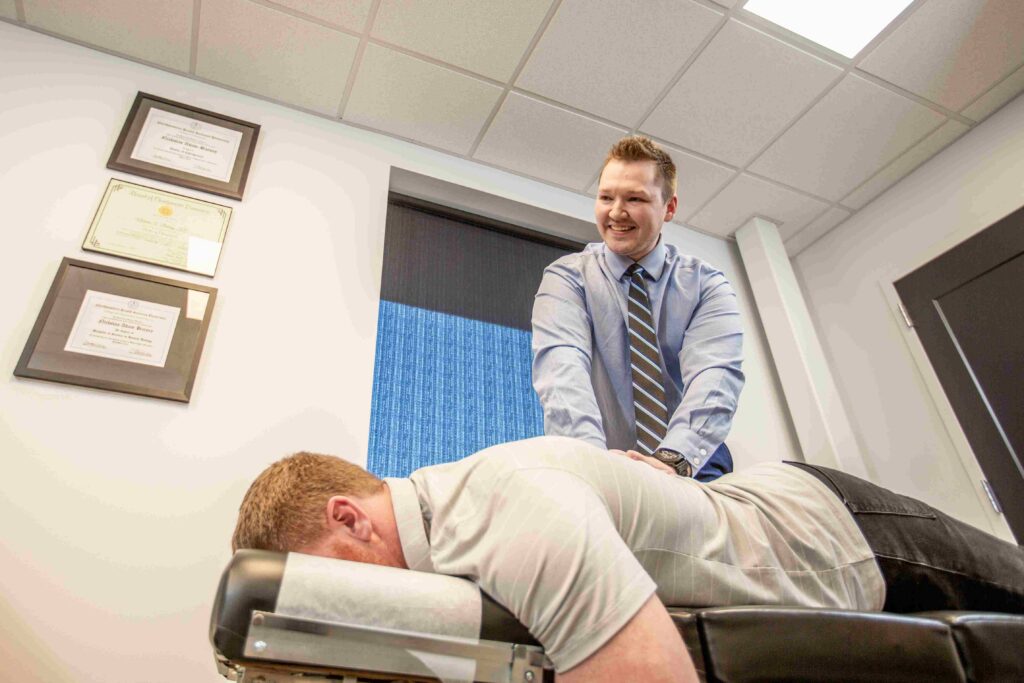

If you’ve ever felt your head start to throb after a particularly stressful day, you’re not imagining things. Stress and headaches are intimately connected, and understanding this relationship is the first step toward finding lasting relief. Here in West Fargo, ND, many patients who visit Optimal Chiropractic describe tension headaches that seem to intensify during demanding work weeks, family obligations, or life transitions. The good news? By addressing the underlying stress and its physical effects on your body, you can reduce both the frequency and intensity of stress-related headaches. In this article, we’ll explore how stress triggers headaches, what happens in your body during the stress response, and practical strategies—including chiropractic care—that can help you manage stress and find relief.
What is the connection between stress and headaches? When you experience stress, your body enters a heightened state of alertness that causes muscles to tense, blood vessels to constrict or dilate, and stress hormones to flood your system. This physiological response, especially when prolonged, often leads to tension-type headaches and can trigger migraines in susceptible individuals. The muscles in your neck, shoulders, and scalp become chronically tight, creating a “vise-like” sensation around your head and contributing to persistent discomfort.
Table of Contents
- How Stress Triggers Headaches in Your Body
- Types of Stress-Related Headaches
- The Physical Effects of Stress on Your Musculoskeletal System
- How Chiropractic Care Can Help Manage Stress and Headaches
- Practical Stress Management Techniques for Headache Relief
- When to See a Chiropractor for Stress-Related Headaches
- Myths vs. Facts About Stress Headaches
- Final Thoughts
- Frequently Asked Questions
- TL;DR Summary
How Stress Triggers Headaches in Your Body
Understanding the stress-headache connection starts with recognizing what happens inside your body when stress strikes. Your nervous system doesn’t distinguish between different types of stress—whether you’re worried about finances, dealing with a difficult work situation, or managing family responsibilities, your body responds the same way.
When you perceive a threat or stressor, your sympathetic nervous system activates what’s commonly known as the “fight or flight” response. Your adrenal glands release cortisol and adrenaline, your heart rate increases, and blood flow redirects to major muscle groups. This ancient survival mechanism served our ancestors well when facing physical dangers, but in modern life, most stressors are psychological rather than physical.
The problem arises when this stress response becomes chronic. Your muscles, particularly those in your neck, shoulders, and jaw, remain in a state of constant tension. The suboccipital muscles at the base of your skull tighten, the trapezius muscles across your shoulders become rigid, and the temporalis muscles near your temples contract. This sustained muscular tension reduces blood flow to surrounding tissues and can irritate nerve pathways, creating the perfect environment for headaches to develop.
Additionally, stress can alter your pain perception. Research suggests that chronic stress may lower your pain threshold, meaning you become more sensitive to discomfort that you might otherwise tolerate. This heightened sensitivity can make even minor tension in your head and neck feel more severe than it actually is.
Types of Stress-Related Headaches
Not all stress-related headaches feel the same, and recognizing the type you’re experiencing can help guide your approach to relief. The two most common types associated with stress are tension-type headaches and migraines, though stress can also contribute to other headache patterns.
Tension-Type Headaches
These are by far the most common headaches linked to stress. Tension-type headaches typically create a dull, aching sensation across your forehead, temples, or the back of your head and neck. Many people describe it as feeling like a tight band is wrapped around their head. Unlike migraines, tension headaches usually don’t cause nausea or visual disturbances, and they rarely prevent you from completing daily activities—though they certainly make everything more difficult.
The pain is usually bilateral, meaning it affects both sides of your head rather than just one. Here at Optimal Chiropractic in West Fargo, patients often report that their tension headaches worsen as the day progresses, particularly after hours spent at a computer or during periods of increased workplace demands.
Stress-Triggered Migraines
While tension headaches are the most common stress response, migraines can also be triggered or worsened by stress. Evidence indicates that stress is one of the most frequently reported migraine triggers. Migraines typically cause moderate to severe throbbing pain, often on one side of the head, and may be accompanied by nausea, light sensitivity, and sound sensitivity.
Interestingly, some people experience migraines during the “let-down” period after stress rather than during the stressful event itself. This phenomenon, sometimes called “weekend migraines” or “let-down headaches,” occurs when stress hormones suddenly drop after a period of sustained elevation.
Cervicogenic Headaches
These headaches originate from problems in the neck, and stress plays a significant role in their development. When stress causes chronic muscle tension and postural changes in your cervical spine, it can lead to referred pain that you feel as a headache. Cervicogenic headaches often start at the base of the skull and radiate forward toward the forehead or eyes.
The Physical Effects of Stress on Your Musculoskeletal System
The relationship between stress and headaches extends beyond just muscle tension. Chronic stress creates a cascade of physical changes throughout your musculoskeletal system that can perpetuate pain patterns and make you more vulnerable to headaches.
Stress fundamentally changes your posture. When you’re stressed or anxious, you unconsciously adopt protective postures—shoulders creep upward toward your ears, your head juts forward, and your upper back rounds. This forward head posture is particularly problematic because for every inch your head moves forward from its ideal alignment, it adds approximately 10 pounds of additional stress on your neck muscles and cervical spine.
Your breathing patterns also change under stress. Instead of deep, diaphragmatic breathing, stressed individuals tend to take shallow, rapid breaths using their upper chest and accessory breathing muscles. This shift recruits muscles in your neck and shoulders that aren’t designed for continuous use, leading to fatigue and tension that contributes to headaches.
The jaw is another common site of stress-related tension. Many people unconsciously clench their teeth or grind them during sleep when stressed, a condition called bruxism. The temporomandibular joint connects your jaw to your skull just in front of your ears, and tension here can radiate into temple headaches and facial pain.
Chronic stress also affects your spinal alignment. The repetitive muscle tension and postural adaptations can lead to restrictions in spinal joint motion, particularly in the cervical and upper thoracic regions. These restrictions can irritate nerve pathways and contribute to both local neck pain and referred headache pain.
How Chiropractic Care Can Help Manage Stress and Headaches
Chiropractic care offers a non-invasive, drug-free approach to managing stress-related headaches by addressing the musculoskeletal components of the stress response. At Optimal Chiropractic, we focus on reducing the physical manifestations of stress while supporting your body’s natural ability to adapt and heal.
Chiropractic adjustments help restore proper motion and alignment to spinal joints that have become restricted due to chronic muscle tension and postural stress. When these joints move more freely, it can reduce irritation to surrounding nerves and muscles, often providing significant headache relief. Research has shown that spinal manipulation can be effective for tension-type headaches and cervicogenic headaches.
Beyond adjustments, chiropractors employ various soft tissue techniques to address the muscle tension that accompanies stress. These may include myofascial release, trigger point therapy, and instrument-assisted techniques that help relax tight muscles in your neck, shoulders, and upper back. By releasing these chronically contracted muscles, we can reduce the muscular component of stress headaches.
An often-overlooked benefit of chiropractic care is its effect on the nervous system. Chiropractic adjustments have been shown to influence autonomic nervous system function, potentially helping to shift your body from a sympathetic “fight or flight” state to a more balanced parasympathetic “rest and digest” state. This neurological effect may contribute to the overall stress-reducing benefits many patients report.
At our West Fargo practice, a typical care plan for stress-related headaches includes an initial evaluation to identify specific areas of spinal restriction and muscle tension, a series of adjustments and soft tissue work tailored to your individual presentation, and progressive recommendations for posture correction and stress management. We work with you to develop a comprehensive approach that addresses both the immediate symptoms and the underlying patterns that make you vulnerable to stress headaches.
Practical Stress Management Techniques for Headache Relief
While chiropractic care can address the physical manifestations of stress, combining it with effective stress management strategies creates a more comprehensive approach to headache prevention and relief. Here are evidence-based techniques you can implement starting today.
Progressive Muscle Relaxation
This technique involves systematically tensing and then releasing different muscle groups throughout your body. Start with your toes and work upward, holding each contraction for about five seconds before releasing completely. This practice helps you become more aware of where you hold tension and trains your body to release it more effectively. Many patients find that doing this for just 10 minutes before bed reduces next-day headache frequency.
Proper Ergonomic Setup
Since many of us spend hours at desks or computers, creating an ergonomically sound workspace is essential. Your computer monitor should be at eye level so you’re not looking down or craning your neck upward. Your chair should support the natural curve of your lower back, and your feet should rest flat on the floor. Your keyboard and mouse should allow your elbows to rest at about 90 degrees. These adjustments reduce the postural stress that accumulates throughout the workday.
Regular Movement Breaks
Prolonged static postures contribute significantly to stress-related muscle tension. Set a timer to remind yourself to stand, stretch, and move every 30 to 45 minutes. Simple movements like shoulder rolls, gentle neck stretches, and walking around your workspace help prevent the buildup of muscle tension that leads to headaches.
Mindful Breathing Exercises
Deep, diaphragmatic breathing activates your parasympathetic nervous system and can help counteract the stress response. Try this simple technique: breathe in slowly through your nose for a count of four, hold for a count of four, then exhale slowly through your mouth for a count of six. Repeat this cycle for five minutes whenever you notice stress building. The longer exhale helps trigger your relaxation response.
Adequate Hydration and Nutrition
Dehydration is a common headache trigger that becomes more problematic when you’re stressed. Aim for at least eight glasses of water daily, more if you’re active or in dry climates like we experience here in North Dakota. Additionally, avoid skipping meals during stressful periods—low blood sugar can trigger headaches and make you more vulnerable to stress.
Consistent Sleep Hygiene
Sleep and stress have a bidirectional relationship—stress disrupts sleep, and poor sleep makes you more susceptible to stress and headaches. Establish a consistent sleep schedule, even on weekends. Create a cool, dark sleeping environment and avoid screens for at least an hour before bed. If jaw clenching or teeth grinding disrupts your sleep, discuss this with your chiropractor or dentist.
Physical Activity
Regular exercise is one of the most effective stress management tools available. Physical activity helps burn off stress hormones, releases endorphins that naturally reduce pain perception, and improves overall resilience to stress. You don’t need intense workouts—moderate activities like walking, swimming, or yoga practiced regularly provide significant benefits for headache management.
When to See a Chiropractor for Stress-Related Headaches
While occasional headaches during particularly stressful periods are common, certain patterns suggest you would benefit from professional chiropractic evaluation and care. Consider scheduling an appointment at Optimal Chiropractic in West Fargo if you’re experiencing any of the following.
If your headaches occur more than twice per week or have increased in frequency over the past few months, it’s time to seek care. What starts as occasional stress headaches can become a chronic pattern if the underlying musculoskeletal issues aren’t addressed. Early intervention often leads to better outcomes and can prevent the development of chronic headache patterns.
When over-the-counter pain medications are becoming less effective or you find yourself relying on them more frequently, this indicates your headaches need a different approach. Medication overuse can actually contribute to rebound headaches, creating a cycle that’s difficult to break without addressing the root causes.
If you notice your headaches consistently worsen during or after certain activities—like working at a computer, driving, or specific work tasks—this suggests a musculoskeletal component that chiropractic care can address. These activity-related patterns often respond well to adjustments, postural correction, and ergonomic modifications.
Headaches accompanied by significant neck pain, stiffness, or reduced range of motion in your neck warrant chiropractic evaluation. This combination strongly suggests cervicogenic headaches or tension headaches with a significant spinal component.
However, certain warning signs require immediate medical attention rather than chiropractic care. Seek emergency medical evaluation if you experience a sudden, severe headache unlike any you’ve had before (often described as a “thunderclap” headache), headache accompanied by fever, stiff neck, confusion, vision changes, difficulty speaking, or weakness, headache following a head injury, or headache that progressively worsens despite treatment. These symptoms may indicate serious conditions that require immediate medical diagnosis.
Stress Response Comparison Table
| Body System | Acute Stress Response (Helpful) | Chronic Stress Response (Harmful) |
|---|---|---|
| Muscular System | Temporary tension for quick action, then release | Sustained contraction leading to trigger points, reduced circulation, and pain |
| Nervous System | Brief sympathetic activation, then return to balance | Prolonged sympathetic dominance, lowered pain threshold, nervous system fatigue |
| Cardiovascular System | Temporary increase in heart rate and blood pressure | Sustained elevation contributing to vascular headaches and hypertension |
| Spinal Alignment | Minor postural changes that self-correct | Forward head posture, upper crossed syndrome, spinal restrictions |
| Breathing Pattern | Brief shallow breathing, then return to diaphragmatic | Chronic upper chest breathing, overuse of accessory muscles, neck tension |
Myths vs. Facts About Stress Headaches
Myth: Stress headaches are “all in your head” and not a real physical problem
Fact: Stress headaches involve very real, measurable physical changes in your muscles, joints, and nervous system. The muscle tension, spinal restrictions, and neurological changes that occur during stress are physiological responses that create genuine pain. Dismissing stress headaches as purely psychological ignores the legitimate musculoskeletal component that chiropractic care can effectively address.
Myth: You just have to live with stress headaches until your life becomes less stressful
Fact: While reducing life stressors is beneficial, you don’t have to wait for perfect conditions to find headache relief. Addressing the physical manifestations of stress through chiropractic care, improving your stress response through management techniques, and correcting postural and ergonomic factors can significantly reduce headaches even while dealing with ongoing life stressors. The goal is building resilience, not eliminating all stress.
Myth: Pain medication is the only effective treatment for stress-related headaches
Fact: While medication can provide temporary symptom relief, evidence indicates that non-pharmacological approaches including spinal manipulation, exercise, and stress management techniques can be equally or more effective for certain types of headaches, particularly tension-type and cervicogenic headaches. A comprehensive approach that addresses the underlying causes often provides better long-term outcomes than medication alone.
Myth: Chiropractic adjustments are dangerous for people with headaches
Fact: When performed by a licensed chiropractor after appropriate evaluation, spinal adjustments are generally safe and well-tolerated for headache patients. Serious adverse events are extremely rare, and research has shown that chiropractic care can be effective for tension-type headaches and cervicogenic headaches. Your chiropractor will conduct a thorough examination to ensure you’re an appropriate candidate for care.
Myth: If stress causes your headaches, mental relaxation techniques are all you need
Fact: While mental relaxation techniques are valuable components of stress management, they often aren’t sufficient when chronic muscle tension, spinal restrictions, and postural problems have already developed. The physical changes that occur from prolonged stress typically require hands-on treatment to fully resolve. The most effective approach combines mental stress management with physical treatment of the musculoskeletal system.
Final Thoughts
The connection between stress and headaches is complex, involving your nervous system, muscles, spinal alignment, and overall physical resilience. Understanding this relationship empowers you to take meaningful action rather than simply enduring the pain. Here in West Fargo, the team at Optimal Chiropractic has helped countless patients break the cycle of stress-related headaches by addressing both the physical manifestations of stress and supporting healthier long-term patterns.
Remember that managing stress headaches isn’t about achieving a stress-free life—that’s neither realistic nor necessary. Instead, it’s about building a body that’s more resilient to the inevitable stresses you’ll face. Through chiropractic care, practical stress management techniques, and attention to your posture and ergonomics, you can significantly reduce both the frequency and severity of stress-related headaches.
If you’re struggling with recurring headaches that seem tied to your stress levels, you don’t have to manage them alone. A comprehensive evaluation can identify the specific factors contributing to your headaches and create a personalized care plan. Small changes in how you hold your body, respond to stress, and care for your spine can make a remarkable difference in how you feel every day.
Frequently Asked Questions
Can stress cause headaches even when I don’t feel particularly stressed?
Yes, your body can be in a stressed state even when you don’t consciously feel stressed. Chronic low-level stressors—like poor sleep, inadequate nutrition, prolonged poor posture, or ongoing background worries—can create physiological stress responses that manifest as headaches. Additionally, your body may have adapted to a stressed state, making it feel “normal” even though your muscles remain tense and your nervous system stays activated.
How long does it typically take to see improvement in stress headaches with chiropractic care?
Response times vary based on how long you’ve had the headaches and the severity of underlying musculoskeletal issues. Some patients notice improvement after just a few visits, while others with chronic, long-standing patterns may need several weeks of care to see significant changes. Most people experience some degree of relief within the first four to six weeks when combining chiropractic adjustments with stress management strategies and lifestyle modifications.
Are there specific foods or drinks that make stress headaches worse?
While trigger foods vary individually, common headache triggers include caffeine (both excessive consumption and withdrawal), alcohol, aged cheeses, processed meats containing nitrates, and foods with MSG. Dehydration is one of the most common dietary triggers, so maintaining adequate water intake is essential. Skipping meals and the resulting blood sugar drops can also worsen stress headaches, so eating regular, balanced meals helps maintain stability.
Can poor posture really cause headaches, or is that just a myth?
Poor posture is a very real contributor to headaches, particularly forward head posture where your head juts forward from your shoulders. This misalignment significantly increases stress on neck muscles and cervical spine joints, often leading to tension-type and cervicogenic headaches. Research has shown strong associations between forward head posture, neck pain, and headache frequency. Correcting postural issues is often a key component of successful headache management.
Is it normal for headaches to get worse after starting chiropractic care?
Some people experience mild soreness or temporary symptom changes in the first few visits as their body adjusts to improved spinal alignment and releases long-held tension patterns. This is generally short-lived and resolves within a day or two. However, significantly worsening headaches are not a normal response and should be reported to your chiropractor immediately so your care plan can be adjusted.
Can children and teenagers get stress-related headaches?
Absolutely. Young people face significant stressors from academic pressures, social dynamics, technology use, and developmental changes. Children and teenagers can develop the same tension-type headaches adults experience, often exacerbated by poor posture during device use and study. Chiropractic care is safe for pediatric patients when appropriate evaluation is performed, and teaching stress management and proper ergonomics early can establish healthy patterns for life.
TL;DR Summary
- Stress triggers headaches through muscle tension, postural changes, altered breathing patterns, and nervous system activation that become problematic when chronic rather than temporary.
- The most common stress-related headaches are tension-type headaches (dull, band-like pressure) and cervicogenic headaches (originating from neck problems), though stress can also trigger migraines.
- Chiropractic care addresses stress headaches by restoring spinal motion, releasing muscle tension, and supporting nervous system balance through adjustments and soft tissue techniques.
- Effective headache management combines professional care with practical strategies including ergonomic improvements, regular movement breaks, breathing exercises, adequate hydration, and consistent sleep habits.
- Seek chiropractic care if headaches occur more than twice weekly, are worsening over time, or are accompanied by significant neck pain; seek emergency medical care for sudden severe headaches or those with neurological symptoms.